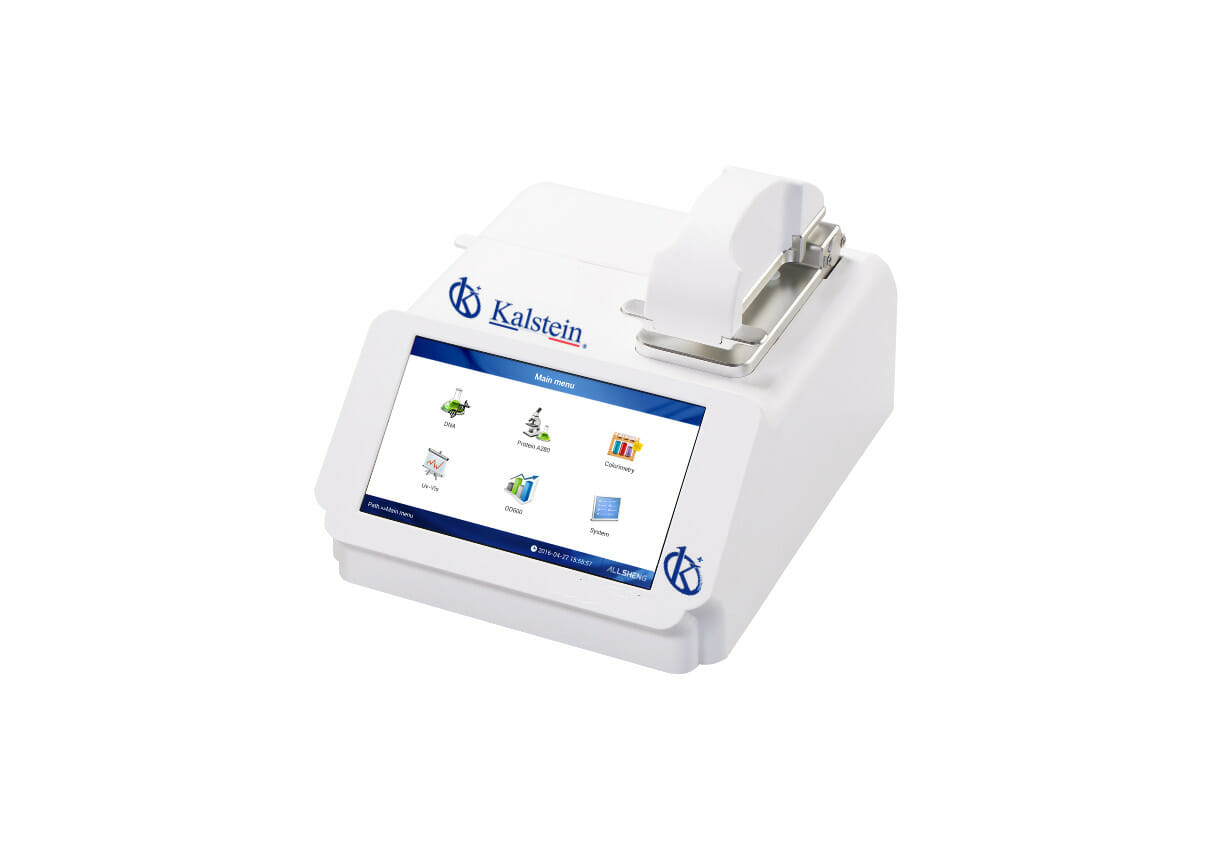
Micro-Spectrophotometers: Practical Applications and Techniques 2026
Micro-Spectrophotometers have become indispensable tools in modern laboratories, particularly for analyzing small sample volumes in clinical and hospital settings. These instruments allow for the rapid and accurate measurement of nucleic acids, proteins, and cellular solutions, making them essential in various research and diagnostic applications. This article will delve into the practical applications, techniques, and workflows associated with Micro-Spectrophotometers, focusing on best practices for 2026.
What is it used for in 2026
In 2026, Micro-Spectrophotometers are widely used in clinical laboratories for the quantification of nucleic acids (DNA and RNA) and proteins, which are crucial for numerous molecular biology applications, including genetic testing, clinical diagnostics, and research. They provide rapid analysis of small volumes (as little as 0.5-2 μl), making them ideal for precious samples where conservation is critical. The ability to also measure bacterial concentrations has expanded their utility in microbiology labs.
History and evolution of the technology
The technology behind Micro-Spectrophotometers has evolved considerably since its inception. Early spectrophotometers required larger sample volumes and were primarily used for bulk analysis in environmental and industrial applications. As laboratory needs shifted towards molecular biology, the demand for smaller, more efficient models arose. Innovations in optics, light sources, and detection technologies have allowed modern micro-spectrophotometers to achieve high precision and accuracy while minimizing sample size, leading to the current generation of instruments that are compact, user-friendly, and equipped with advanced features.
How to use it step by step
Using a Micro-Spectrophotometer typically involves the following steps:
- Preparation: Ensure the instrument is calibrated and ready for use. Clean the measurement area to avoid contamination.
- Sample Loading: Using a pipette, add your test sample (typically 0.5-2 μl) directly onto the measurement surface or in a cuvette if required by the model.
- Measurement Selection: Choose the appropriate wavelength for your analysis (260 nm for nucleic acids, 280 nm for proteins).
- Run the Measurement: Initiate the measurement and wait for the results, which should be displayed on the instrument's screen.
- Data Interpretation: Analyze the results based on absorbance values and compare them with known standards to determine concentration and purity.
- Cleaning: Clean the measurement area according to the manufacturer's instructions to maintain instrument integrity.
Best techniques and protocols
To achieve the best results with Micro-Spectrophotometers, the following techniques and protocols are recommended:
- Minimize Sample Volume: Always use the minimum sample volume to conserve precious samples and avoid contamination.
- Use Standardized Protocols: Employ standardized protocols for nucleic acid and protein quantification to ensure consistent results.
- Regular Calibration: Calibrate the instrument regularly to maintain accuracy; refer to the user manual for specific calibration procedures.
- Utilize Controls: Include control samples with known concentrations to validate your results.
Practical applications by laboratory type
Micro-Spectrophotometers are utilized in various laboratory settings:
Clinical Laboratories
In clinical laboratories, these instruments are essential for performing DNA and RNA quantification in genetic testing, as well as for protein assays in disease diagnostics.
Research Laboratories
In research settings, Micro-Spectrophotometers facilitate the analysis of samples in studies involving genomics, proteomics, and microbiology, allowing researchers to quickly assess sample quality.
Quality Control Laboratories
Quality control labs use Micro-Spectrophotometers to ensure the integrity and concentration of biological materials used in production processes, such as biopharmaceuticals.
Regulations, standards and certifications
Micro-Spectrophotometers must comply with various regulations and standards to ensure quality and safety in laboratory environments. These may include compliance with ISO standards related to laboratory equipment and Good Laboratory Practice (GLP) guidelines. Certification by recognized bodies can also help laboratories maintain accreditation and ensure the reliability of their results.
Comparison with alternative technologies
While Micro-Spectrophotometers are popular, there are alternative technologies available, such as traditional spectrophotometers and fluorometers. Traditional spectrophotometers generally require larger sample volumes and longer analysis times, making them less suitable for precious samples. Fluorometers, on the other hand, offer higher sensitivity for specific applications but may not measure absorbance as effectively as micro-spectrophotometers. Each technology has its advantages, and the choice depends on specific laboratory needs.
Comparison of available models
| Model | Best for | Key specs | Recommended use case |
|---|---|---|---|
| YR06033-1 | Nucleic acids, proteins | 200-800 nm, 0.5-2.0 μl sample | Clinical diagnostics, research |
| YR06034 | Nucleic acid quantification | 260 nm, 1-2.0 μl sample | Genetic testing, sample validation |
| YR06035 | Nucleic acids, proteins, bacterial concentration | 200-800 nm, 0.5-2.0 μl sample | Microbiology, biochemistry |
| YR06033 | Nucleic acids, proteins | 190-1100 nm, 1 μl sample | Advanced research, precision measurement |
Common mistakes and how to avoid them
Common mistakes when using Micro-Spectrophotometers include:
- Inadequate Sample Cleaning: Ensure thorough cleaning of the measurement area to avoid cross-contamination.
- Poor Calibration: Regularly validate and calibrate the instrument to maintain accuracy.
- Incorrect Wavelength Choice: Always select the appropriate wavelength based on the analyte being measured.
Maintenance, calibration and good practices 2026
Maintaining a Micro-Spectrophotometer involves regular cleaning, calibration, and adherence to manufacturer guidelines. Recommended practices include:
- Daily Cleaning: Clean measurement areas daily to prevent sample residue buildup.
- Monthly Calibration: Perform monthly calibration checks using appropriate standards.
- Documentation: Keep a maintenance log to track calibration dates and any issues encountered.
Cost-benefit analysis 2026
When considering the purchase of a Micro-Spectrophotometer, it’s essential to conduct a cost-benefit analysis. While the initial investment may be higher compared to traditional spectrophotometers, the time saved due to rapid measurements and the ability to conserve valuable samples often justifies the expense. Additionally, the increased accuracy can lead to better research outcomes and diagnostics.
Frequently asked questions
What should I consider when choosing a Micro-Spectrophotometer?
When selecting a Micro-Spectrophotometer, consider factors such as wavelength range, minimum sample volume, ease of use, and specific applications required in your lab.
How do I ensure accuracy in measurements?
Ensure accuracy by regularly calibrating your instrument, using standardized protocols, and including control samples in your analyses.
Can I use it for bacterial concentration measurements?
Yes, select models such as the YR06035 include functionality for measuring bacterial concentrations in addition to nucleic acids and proteins.
How often should I clean the instrument?
It is recommended to clean the measurement area daily to prevent contamination and ensure consistent results.
Is training required to use a Micro-Spectrophotometer?
While training is not always mandatory, it is highly recommended to familiarize yourself with the instrument's operation and best practices.
What are the advantages of using a Micro-Spectrophotometer over a traditional spectrophotometer?
Micro-Spectrophotometers require significantly smaller sample volumes and provide faster results, making them ideal for precious samples and high-throughput settings.
How do I request a quote for a Micro-Spectrophotometer?
You can easily request a quote by contacting our sales team, who will assist you with your inquiry.
If you are looking for a fusion of innovation and quality, you have come to the right place. At Kalstein, we offer you the luxury of exploring our exclusive catalog of laboratory equipment. We manufacture every device to the highest standards of excellence. Our intuitive and seamless online purchasing channels are designed for your convenience, securing the most competitive prices. Hesitate no longer — we bring science to life, it is time to become part of our community.