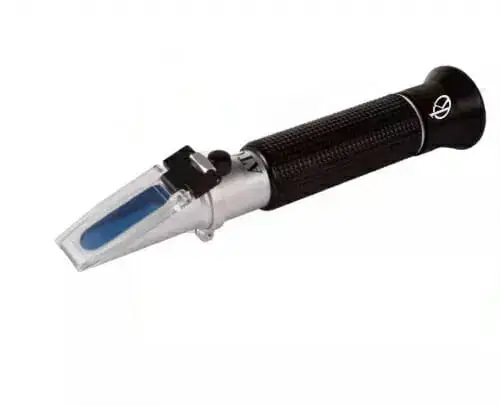
Navigating ISO/IEC Standards and Regulatory Compliance in Beer Refractometers
In the realm of laboratory analysis, especially within the brewing industry, understanding and complying with ISO/IEC standards is crucial for ensuring quality and consistency. Beer refractometers serve as an essential tool for measuring the density of sugars in wort, which directly affects the brewing process. In this article, we will explore the various models available in the beer refractometer category, their compliance with ISO/IEC standards, and how they can meet the regulatory requirements of modern laboratories.
The Importance of ISO/IEC Compliance in Laboratory Settings
ISO/IEC standards provide a framework for quality assurance in laboratory practices, ensuring that equipment like beer refractometers meet specific performance metrics. Compliance with these standards not only enhances the credibility of laboratory results but also promotes best practices in measurement and testing procedures. For beer refractometers, adherence to standards such as ISO 17025 (General requirements for the competence of testing and calibration laboratories) is vital for laboratories that wish to maintain accreditation and trust in their results.
Key ISO/IEC Standards Relevant to Beer Refractometers
Several ISO/IEC standards apply to the use of beer refractometers in laboratories. ISO 17025 outlines the requirements for laboratory competence, while IEC 61010 provides safety requirements for electrical equipment. Understanding these standards helps laboratories choose the right refractometers that not only perform well but also comply with necessary safety protocols.
Comparison of Available Models
| Model | ISO/IEC Clauses Covered | Traceability Features | Best For |
|---|---|---|---|
| YR05939 | ISO 17025 | ATC Compliance | Frequent Gravity Checks |
| YR05940 | ISO 17025 | ATC Compliance | Quick Boiling Measurements |
| YR05941 | ISO 17025 | ATC Compliance | Batch Monitoring |
| YR05942 | ISO 17025 | ATC Compliance | Accurate Refractometric Analysis |
| YR05943 | ISO 17025 | ATC Compliance | Quality Control in Brewing |
Common Mistakes and How to Avoid Them
When using beer refractometers, laboratories often overlook calibration and maintenance, leading to inaccurate measurements. It is essential to establish a regular calibration schedule that adheres to ISO/IEC standards. Additionally, failing to account for temperature variations can also skew results. Utilizing models like the YR05939, which features automatic temperature compensation (ATC), can mitigate these issues, ensuring more reliable readings.
Detailed Analysis of Beer Refractometer Models
YR05939: Best for Frequent Gravity Checks
The Beer Refractometer YR05939 is designed for quick sugar density measurements, crucial during various stages of brewing. Its compliance with ISO 17025 ensures that laboratories can rely on its accuracy. With an ATC range of 10-30°C, it is ideal for maintaining consistent readings regardless of temperature fluctuations.
YR05940: Ideal for Quick Boiling Measurements
Similar to the YR05939, the YR05940 excels at providing instant gravity readings during boiling. Its features align with ISO standards, making it a compliant choice for quality control processes in brewing. This model is particularly useful during critical brewing phases, where accurate measurements are essential.
YR05941: Efficient Batch Monitoring
For laboratories focused on batch processing, the YR05941 offers a practical solution. This model’s design adheres to key ISO regulations while delivering high accuracy in sugar density readings, making it a valuable asset for controlling batch quality in brewing environments.
YR05942: Accurate Refractometric Analysis
The YR05942 provides enhanced precision for refractometric analysis, making it a solid choice for professionals who prioritize measurement accuracy. With its compliance to necessary ISO standards, this refractometer is perfect for delivering reliable data for quality assessments.
YR05943: Quality Control in Brewing
The Beer Refractometer YR05943 is tailored for effective quality control in breweries. With its adherence to ISO 17025, laboratories can confidently use this model during production to ensure that their brewing processes remain consistent and compliant with industry standards.
Frequently Asked Questions
How do beer refractometers comply with ISO 17025 standards?
Beer refractometers like the YR05939 and YR05940 are designed to meet ISO 17025 standards by ensuring accuracy and reliability in measurements. These models incorporate features such as automatic temperature compensation (ATC), which is crucial for maintaining consistent results, thus fulfilling regulatory compliance in laboratory settings.
What are the main benefits of using ISO-compliant beer refractometers?
Using ISO-compliant beer refractometers, such as the YR05941, ensures that laboratories adhere to quality standards. These instruments provide reliable measurements that can directly impact brewing quality, enable traceability, and support regulatory compliance, ultimately enhancing the credibility of laboratory results.
Which beer refractometer offers the best automatic temperature compensation?
The YR05939 and YR05943 both provide excellent automatic temperature compensation (ATC), allowing for accurate readings regardless of temperature fluctuations. This feature is essential for laboratories that need to maintain compliance with ISO standards while ensuring precision in measurements.
How often should I calibrate my beer refractometer to meet ISO standards?
Calibration frequency for beer refractometers like the YR05940 depends on usage but should ideally be performed before critical brewing processes. Following ISO guidelines, regular calibration ensures that the measurements remain within acceptable limits, supporting overall quality control efforts in the laboratory.
What role do beer refractometers play in quality control during brewing?
Beer refractometers are essential for quality control in brewing as they provide accurate sugar density measurements, which influence fermentation processes. Models like the YR05941 are designed to comply with ISO regulations, ensuring that the readings are reliable and consistent, which is vital for maintaining product quality.
How can I ensure my beer refractometer is compliant with regulatory standards?
To ensure compliance with regulatory standards, laboratories should select models such as the YR05942 that adhere to ISO/IEC guidelines. Regular calibration, maintenance, and using the refractometer according to the manufacturer's instructions will help meet compliance requirements effectively.
What features should I look for in a beer refractometer for laboratory use?
When selecting a beer refractometer for laboratory use, features such as automatic temperature compensation (ATC), ISO 17025 compliance, and ease of calibration should be prioritized. Models like the YR05939 and YR05943 offer these features, making them ideal choices for laboratory professionals.
If you are looking for a fusion of innovation and quality, you have come to the right place. At Kalstein, we offer you the luxury of exploring our exclusive catalog of laboratory equipment. We manufacture every device to the highest standards of excellence. Our intuitive and seamless online purchasing channels are designed for your convenience, securing the most competitive prices. Hesitate no longer — we bring science to life, it is time to become part of our community.