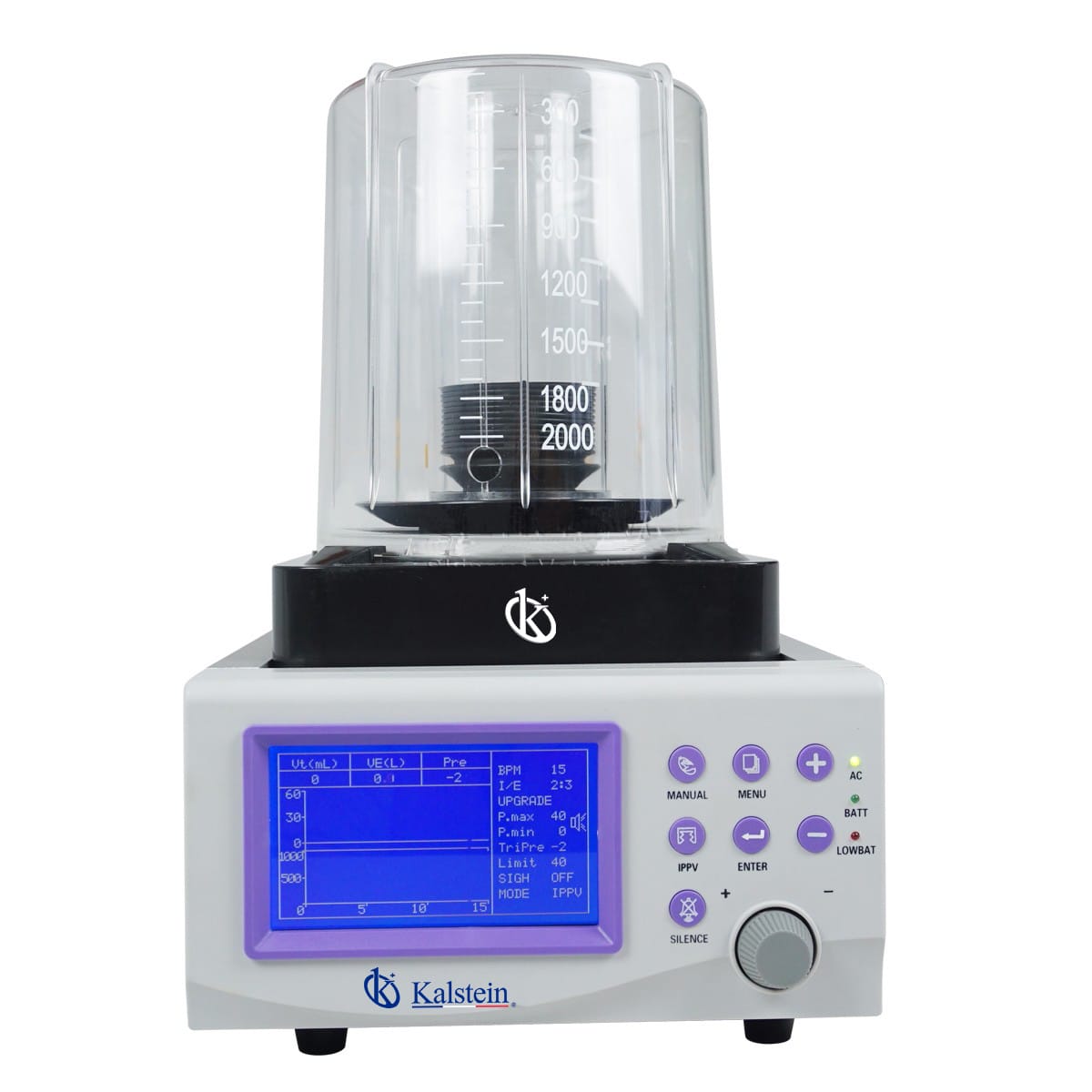
Understanding the Operating Principles and Scientific Foundations of the YR06102 Veterinary Anesthesia Ventilator
The YR06102 Veterinary Anesthesia Ventilator is a critical device in veterinary medicine, providing respiratory support to animals that cannot breathe independently. Understanding the operating principles and scientific foundations of this ventilator is essential for effective application and optimal patient outcomes.
Principle of Operation
The YR06102 operates on mechanical ventilation principles, which assist animals in achieving adequate ventilation and oxygenation. Mechanical ventilation does not cure any underlying conditions but supports pulmonary function, allowing time for treatment. The key modes of operation include:
- IPPV (Intermittent Positive Pressure Ventilation): This mode delivers breaths at predetermined intervals, ensuring a constant supply of air to the lungs.
- SIMV (Synchronized Intermittent Mandatory Ventilation): This mode combines mandatory breaths with spontaneous breaths, promoting patient comfort and reducing ventilatory fatigue.
- Manual Mode: In manual mode, the operator can control ventilation, providing flexibility in emergency situations.
Scientific Foundations Behind Mechanical Ventilation
At its core, mechanical ventilation relies on basic principles of physics and physiology. The ventilator utilizes a pressure-time waveform (P-t) and volume-time waveform (V-t) to regulate airflow. This involves:
- Pressure Control: The ventilator adjusts the pressure to maintain adequate airflow, preventing barotrauma and ensuring safe ventilation.
- Volume Control: The volume delivered can be adjusted to meet the needs of different species and sizes of animals, ranging from 0.50 ml to 1600 ml.
Technical Specifications of the YR06102
| Specification | Details |
|---|---|
| Model | YR06102 |
| Respiration Mode | IPPV, SIMV, Manual |
| Display | 5.5' SNT screen |
| Waveform | P-t, V-t |
| Tidal Volume | 0.50 ml – 1600 ml |
| Respiratory Frequency | 1 to 65 BPM |
| I:E Ratio | 8:1 to 1:8 |
| Alarm Parameters | High pressure alarm, Low pressure alarm, O2 source lost alarm, AC power lost alarm |
| High Pressure Alarm Limit | 20 to 60 cmH2O |
| Low Pressure Alarm Limit | 0 to 20 cmH2O |
| Monitor Parameters | Tidal volume, MV, Ppeak, PEEP, respiratory frequency, I:E ratio |
| Safety Valve Pressure Limit | 6 Kpa |
Key Considerations for Effective Use of the YR06102
To effectively use the YR06102, operators must consider several factors:
- Calibration: Regular calibration ensures accurate readings and performance. Follow the manufacturer's guidelines for calibration procedures.
- Monitoring: Continuous monitoring of tidal volume, respiratory frequency, and pressure is essential to ensure the animal's safety and comfort.
- Environment: The ventilator should be used in a controlled environment to minimize external interferences that could impact performance.
Common Errors and Troubleshooting the YR06102
Operators may encounter various issues during the operation of the YR06102. Understanding these symptoms and their solutions can enhance efficiency and safety:
| Symptom | Possible Causes | Solutions |
|---|---|---|
| Equipment does not power on | Power supply failure, faulty power cord | Check power source, replace power cord |
| Error code E-03 | Low pressure alarm triggered | Inspect connections, check for leaks |
| Inconsistent readings | Calibration error, sensor malfunction | Recalibrate device, replace sensor |
Frequently Asked Questions
What is the primary function of the YR06102 Veterinary Anesthesia Ventilator?
The primary function of the YR06102 is to provide mechanical ventilation support to animals that cannot maintain adequate ventilation or oxygenation independently, offering a crucial support mechanism during surgeries or critical care situations.
How does the YR06102 ensure safe ventilation?
The YR06102 ensures safe ventilation through adjustable pressure and volume controls, various breathing modes, and alarm parameters that alert operators to potential issues, such as high or low pressure.
What are the maintenance requirements for the YR06102?
Regular maintenance includes calibration checks, monitoring alarm systems, and ensuring that all connections and seals are secure to prevent leaks. Following the manufacturer's maintenance guidelines will ensure optimal performance.
Can the YR06102 be used for different animal species?
Yes, the YR06102 is adaptable to various animal species by adjusting the tidal volume and respiratory frequency settings, accommodating both small and large animals effectively.
What should be included in the initial setup for the YR06102?
The initial setup should include unboxing the device, checking all components, ensuring proper connections and power supply, and performing a calibration of the settings before the first use.
How can I troubleshoot common issues with the YR06102?
Common issues can be troubleshooted by consulting the symptom table, checking for potential error codes, and ensuring that the device has been correctly calibrated and serviced regularly.
If you are looking for a fusion of innovation and quality, you have come to the right place. At Kalstein, we offer you the luxury of exploring our exclusive catalog of laboratory equipment. We manufacture every device to the highest standards of excellence. Our intuitive and seamless online purchasing channels are designed for your convenience, securing the most competitive prices. Hesitate no longer — we bring science to life, it is time to become part of our community.