How to Ensure Operator Safety and Biosafety Protocols with Industrial Balances
In laboratories and industrial settings, the importance of operator safety and biosafety protocols cannot be overstated. With the diverse applications of industrial balances, ranging from chemical analysis to material testing, ensuring safety in their operation is paramount. This article delves into the key safety protocols and biosafety measures necessary when using industrial balances, while also highlighting specific models that align with these practices.
Understanding Biosafety Protocols in Laboratory Settings
Biosafety protocols are designed to protect laboratory personnel, the surrounding environment, and the public from exposure to potentially hazardous biological agents. In the context of using industrial balances, these protocols involve risk assessments, the use of personal protective equipment (PPE), and adherence to specific operational procedures to prevent contamination and accidents.
Key Biosafety Levels and Their Relevance to Industrial Balances
Biosafety levels (BSLs) categorize laboratories based on the risk posed by the pathogens they handle. Industrial balances may be used in BSL-1 to BSL-4 environments, depending on the materials being weighed. For instance, BSL-2 laboratories handle moderate-risk agents and require standard safety practices, while BSL-4 laboratories necessitate stringent controls.
Personal Protective Equipment (PPE) for Safe Operation
When operating industrial balances, wearing appropriate PPE is essential. This typically includes gloves, lab coats, safety goggles, and face shields. The specific model of industrial balance in use may also dictate certain PPE requirements, especially in environments dealing with hazardous materials.
Risk Assessment and Safety Protocols
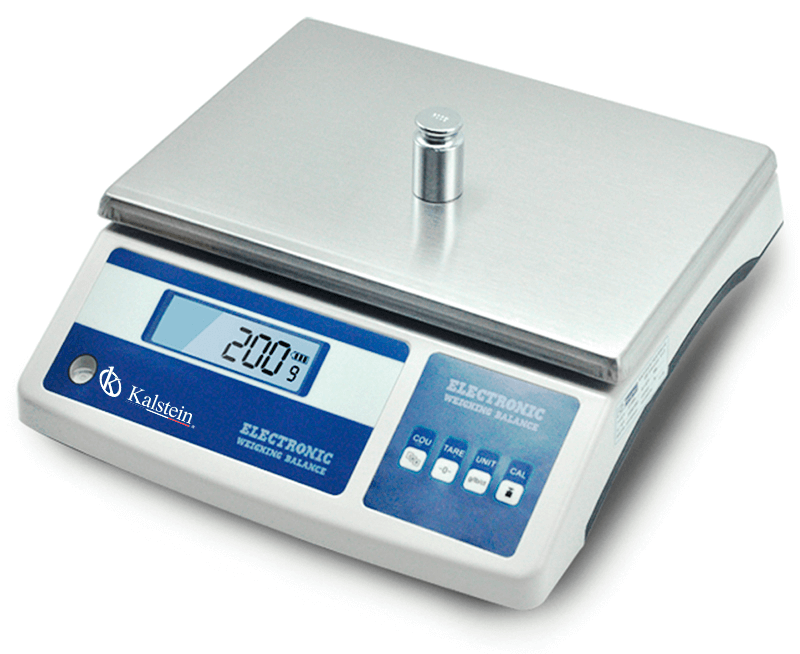
Conducting risk assessments is vital prior to the usage of industrial balances. This process should identify potential hazards, assess risks, and implement control measures. The assessment should also take into account the type of industrial balance in use, such as the Industrial Balance YR05606, known for its large stainless-steel pan, which is ideal for weighing larger samples while ensuring operator safety through its overload alarm feature.
Proper Handling and Maintenance of Industrial Balances
Safe operation includes proper handling and maintenance of the industrial balances. Regular calibration and maintenance can prevent accidents caused by faulty equipment. For example, the Industrial Balance YR05612, with a capacity of 16 kg and a readability of 0.1 g, is designed for high precision and requires periodic checks to ensure accuracy and safety.
Decontamination Protocols After Use
After using industrial balances in environments that may expose them to hazardous substances, thorough decontamination is necessary. This involves cleaning the balance with appropriate disinfectants and adhering to the manufacturer’s guidelines. Balances such as the Industrial Balance YR05608, with its sleek design suitable for easy cleaning, can facilitate this process.
Comparison of Available Models
| Model Code | Capacity | Readability | Best for |
|---|---|---|---|
| YR05606 | 11 kg | 1 g | General laboratory use |
| YR05607 | 16 kg | 1 g | Heavy-duty applications |
| YR05608 | 21 kg | 1 g | High precision needs |
| YR05609 | 31 kg | 1 g | Industrial settings |
| YR05610 | 5.1 kg | 0.1 g | Micro-scale applications |
| YR05611 | 11 kg | 0.1 g | Analytical laboratories |
| YR05612 | 16 kg | 0.1 g | Research applications |
| YR05613 | 21 kg | 0.1 g | Advanced research |
| YR05614 | 26 kg | 0.1 g | High-capacity needs |
Common Mistakes and How to Avoid Them
Laboratory professionals often make mistakes regarding the protocols for industrial balances. A common error is neglecting to perform regular maintenance and calibration, resulting in inaccuracies. Another mistake is overlooking PPE requirements, exposing operators to hazardous materials. To avoid these issues, establish a regular maintenance schedule and reinforce the importance of PPE training.
Frequently Asked Questions
What safety protocols should be followed when using industrial balances in laboratories?
When using industrial balances like the YR05609, it is crucial to implement safety protocols such as wearing PPE, conducting risk assessments, and ensuring regular maintenance and calibration to protect operators and ensure accurate results.
How often should industrial balances be calibrated for compliance?
Industrial balances should typically be calibrated at least once a year or after any significant event that could affect their performance. Models like the YR05608 can be calibrated more frequently if used in critical applications to maintain accuracy.
What types of personal protective equipment are necessary for using industrial balances?
Essential PPE includes gloves, lab coats, and safety goggles. Depending on the materials being weighed, additional equipment such as face shields may be necessary to ensure operator safety when using balances like the YR05607.
How can I ensure safe handling of hazardous materials on industrial balances?
To safely handle hazardous materials on balances like the YR05606, always use appropriate PPE, follow decontamination protocols after use, and ensure there is clear signage indicating the presence of hazardous materials.
What are the best practices for maintaining industrial balances in biosafety labs?
Best practices include regular calibration, routine cleaning, and ensuring that operators are trained in using PPE and following biosafety protocols. Models like the YR05611 are designed for high precision and require diligent maintenance to perform safely in biosafety labs.
Which industrial balance is best for high-capacity laboratory applications?
The Industrial Balance YR05614 is ideal for high-capacity applications, with a 26 kg capacity and 0.1 g readability, making it suitable for various laboratory needs while ensuring compliance with safety protocols.
How do I conduct a risk assessment for using industrial balances?
Conducting a risk assessment involves identifying potential hazards, evaluating the risks associated with specific balances, and implementing control measures. This is critical when using high-capacity models like the YR05609 in environments with hazardous materials.
What documentation is needed for biosafety compliance when using industrial balances?
Documentation should include risk assessment reports, maintenance records, calibration logs, and training certifications for all operators. This is essential for ensuring compliance, especially when using models such as the YR05612 in regulated environments.
If you are looking for a fusion of innovation and quality, you have come to the right place. At Kalstein, we offer you the luxury of exploring our exclusive catalog of laboratory equipment. We manufacture every device to the highest standards of excellence. Our intuitive and seamless online purchasing channels are designed for your convenience, securing the most competitive prices. Hesitate no longer — we bring science to life, it is time to become part of our community.