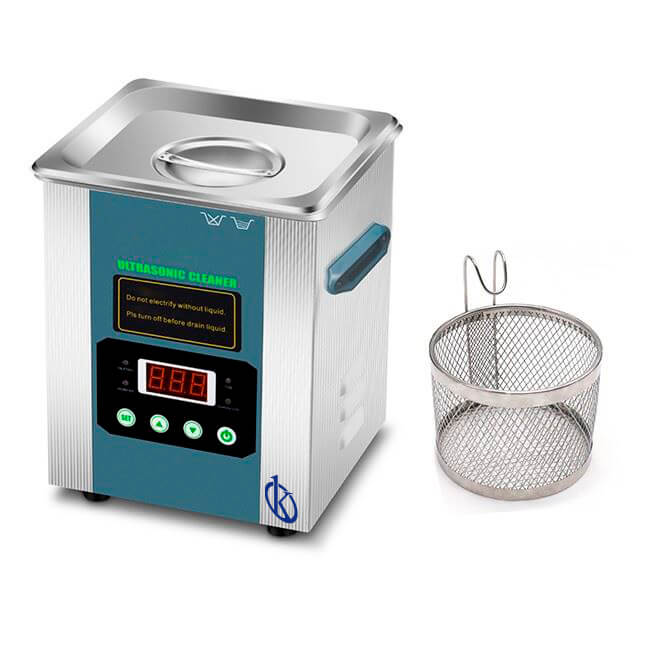
How to Optimize Data Flow and LIMS Integration with Digital Display Ultrasonic Cleaners
In today's fast-paced laboratory environment, automating workflows and ensuring seamless data integration are paramount. Digital display ultrasonic cleaners have emerged as essential tools for various applications, including jewelry cleaning, medical equipment decontamination, and more. This article focuses on how these devices can be integrated with Laboratory Information Management Systems (LIMS) to enhance data flow and operational efficiency.
Understanding the Role of Digital Display Ultrasonic Cleaners
Digital display ultrasonic cleaners utilize high-frequency sound waves to create cavitation bubbles in a cleaning solution that effectively remove contaminants from surfaces. Their digital controls enable precise settings for time, temperature, and cleaning cycles, which are crucial for maintaining consistent results across different applications.
As laboratories increasingly adopt digital solutions to manage data, the ability of ultrasonic cleaners to integrate with LIMS plays a vital role in streamlining operations. This integration allows for better tracking of cleaning cycles, enhanced data management, and improved compliance with industry standards.
Comparison of Available Models
| Model | Tank Capacity (L) | Power (W) | Ultrasonic Frequency (kHz) | Best for |
|---|---|---|---|---|
| YR05208 | 2 | 70 | 40 | Jewelry and small medical instruments |
| YR05209 | 2 | 70 | 40 | Home use and multi-purpose cleaning |
| YR05212 | 4.5 | 180 | 40 | Medical and dental equipment |
| YR05213 | 6.8 | 180 | 40 | High-capacity cleaning for laboratories |
| YR05214 | 11 | 240 | 40 | Heavy-duty applications |
| YR05215 | 15 | 360 | 40 | Industrial cleaning needs |
Integrating Digital Display Ultrasonic Cleaners with LIMS
To optimize data flow, integrating digital display ultrasonic cleaners with a LIMS involves several key elements such as connectivity protocols, data entry automation, and compliance tracking. Ultrasonic cleaners can be equipped with software that allows them to communicate directly with LIMS, thereby uploading cleaning results, cycle times, and maintenance logs in real-time.
Using protocols such as ASTM or HL7 ensures standard communication between devices, allowing for bidirectional data exchange. This setup not only reduces human error but also ensures that all cleaning processes are documented and compliant with industry regulations.
Key Benefits of LIMS Integration
Integrating digital ultrasonic cleaners with LIMS offers numerous benefits:
- Improved Traceability: Every cleaning cycle can be tracked, which is essential for compliance and quality assurance.
- Enhanced Productivity: Automation reduces manual data entry and allows staff to focus on more critical tasks.
- Operational Insights: Data analytics provides insights into cleaning performance and helps in identifying areas for improvement.
Common Mistakes and How to Avoid Them
When integrating digital display ultrasonic cleaners with LIMS, several common mistakes can hinder efficiency:
- Neglecting Training: Ensure that all staff are trained on both the ultrasonic cleaner operation and LIMS functionalities.
- Overlooking Data Standards: Use established data standards (e.g., ASTM) to ensure compatibility between systems.
- Insufficient Testing: Perform thorough testing of the integration before full deployment to identify and resolve issues.
Best Practices for Maintaining Compliance
Maintaining compliance with industry regulations is crucial for laboratories using ultrasonic cleaners. Here are some practices to consider:
- Regular Calibration: Ensure ultrasonic cleaners are regularly calibrated to maintain effectiveness and reliability.
- Comprehensive Documentation: Keep detailed records of cleaning cycles, maintenance logs, and calibration data.
- Quality Control Checks: Implement regular quality control checks to verify cleaning efficacy.
Frequently Asked Questions
What features should I look for in a digital display ultrasonic cleaner for LIMS integration?
When selecting a digital display ultrasonic cleaner like the YR05212, look for features such as digital controls, high power output, and compatibility with protocols like ASTM for seamless LIMS integration. These features ensure effective cleaning while facilitating data management through your LIMS.
How can data flow be improved in my laboratory using ultrasonic cleaners?
Improving data flow involves integrating ultrasonic cleaners such as the YR05209 with LIMS. This integration automates data entry for cleaning cycles and maintenance records, reducing manual errors and enhancing operational efficiency.
What are the maintenance requirements for digital display ultrasonic cleaners?
Maintenance for digital display ultrasonic cleaners like the YR05215 includes regular calibration, cleaning of the tank, and checking the ultrasonic transducers. Keeping accurate maintenance logs in your LIMS is essential for compliance and operational integrity.
How do ultrasonic cleaners contribute to compliance in laboratory settings?
Ultrasonic cleaners, particularly models like the YR05214, help maintain compliance by providing thorough cleaning of laboratory instruments. This ensures that all tools meet the required hygiene and safety standards for laboratory work.
Can ultrasonic cleaners save time in laboratory workflows?
Yes, models such as the YR05208 and YR05209 can significantly reduce cleaning time compared to manual methods, allowing laboratory personnel to focus on more important tasks while ensuring high-quality cleaning results.
How does LIMS integration enhance the efficiency of cleaning processes?
LIMS integration enhances cleaning efficiency by automating tracking and documentation of cleaning cycles, as seen with ultrasonic cleaners like the YR05213. This ensures all cleaning data is readily available for audits and compliance reviews.
What is the best ultrasonic cleaner for heavy-duty applications in laboratories?
The YR05215 is an optimal choice for heavy-duty applications, providing a large tank capacity and high power suitable for thorough cleaning of industrial-grade equipment, ensuring compliance with stringent laboratory standards.
How do I ensure effective usage of ultrasonic cleaners in a laboratory setting?
To ensure effective usage of ultrasonic cleaners like the YR05212, it is crucial to follow manufacturer guidelines, maintain regular calibration, and integrate the device with a LIMS for monitoring and data management.
If you are looking for a fusion of innovation and quality, you have come to the right place. At Kalstein, we offer you the luxury of exploring our exclusive catalog of laboratory equipment. We manufacture every device to the highest standards of excellence. Our intuitive and seamless online purchasing channels are designed for your convenience, securing the most competitive prices. Hesitate no longer — we bring science to life, it is time to become part of our community.