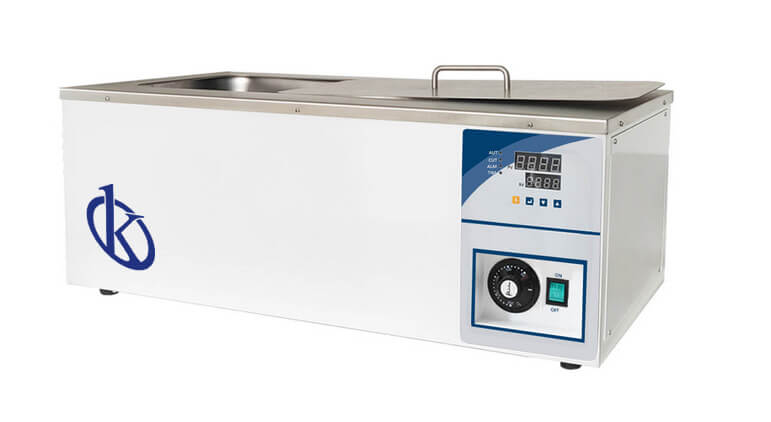
How to Optimize Energy Sustainability in Oil Baths for Laboratory Applications?
The importance of energy sustainability in laboratory settings cannot be overstated. Oil baths are widely used in various laboratory applications like bioengineering, medicine, food, and chemical industries. However, optimizing their energy efficiency is crucial to reducing environmental footprints while maintaining high precision in temperature control. This article explores various strategies and model comparisons aimed at enhancing energy sustainability specifically for oil baths.
Understanding Energy Sustainability in Oil Baths
Energy sustainability in oil baths refers to the practices and technologies that minimize energy consumption without compromising performance. The need for efficient energy use is driven by both regulatory requirements and the increasing emphasis on reducing operational costs and environmental impacts. By focusing on advanced control technologies and user practices, laboratories can achieve significant improvements in energy efficiency.
Key Features Contributing to Energy Sustainability
When discussing energy sustainability in oil baths, several key features play a critical role. These include advanced temperature control systems, dual-use capabilities (water and oil), and energy-saving designs. For instance, models equipped with intelligent microcomputer control systems can achieve rapid temperature increases while maintaining stability, thus reducing energy waste.
Comparison of Available Models
| Model Code | Power (W) | Temperature Range (°C) | Price (USD) | Best for |
|---|---|---|---|---|
| YR04973 | 1000 | RT +5~250 | 150.00 | Bioengineering applications |
| YR04974 | 1200 | RT +5~250 | 165.00 | Medical laboratories |
| YR04975 | 1600 | RT +5~250 | 192.00 | Chemical testing |
| YR04976 | 2000 | RT +5~250 | 250.00 | Industrial applications |
Strategies for Reducing Energy Consumption
Implementing effective strategies can significantly reduce the energy consumption of oil baths. These include optimizing the operating temperature settings, ensuring regular maintenance for efficiency, and using models with advanced features. For example, using the YR04975 model, which has a maximum power consumption of 1600W, laboratories can benefit from its stability and efficient heating characteristics.
Lifecycle Assessment of Oil Baths
A lifecycle assessment (LCA) is essential to understand the total environmental impact of oil baths. By analyzing the energy consumption from production to disposal, laboratories can make informed decisions about their equipment. The YR series, while being energy efficient during use, also considers materials that reduce environmental impact in their manufacturing processes.
Common Mistakes and How to Avoid Them
One common mistake in using oil baths is failing to optimize temperature settings. Laboratories often set higher temperatures than necessary, leading to increased energy consumption. Additionally, neglecting regular maintenance can decrease energy efficiency. Ensuring proper calibration and utilizing models like the YR04974, which features an intelligent temperature control system, can help in avoiding these pitfalls.
Frequently Asked Questions
What are the energy-saving features of oil bath models like YR04975?
The YR04975 model features a PID controller for precise temperature management, which significantly reduces energy wastage through efficient heating cycles, operating efficiently at 1600W.
How does the use of dual-use technology in oil baths improve sustainability?
Models like the YR04974 use both water and oil, allowing for versatile applications and reducing energy waste by enabling lower temperature settings when appropriate.
Which oil bath model is best for reducing environmental impact in laboratories?
The YR04976 model is designed with energy efficiency in mind, utilizing 2000W power effectively while providing high precision temperature control, making it ideal for industrial applications.
How can laboratories measure the energy consumption of their oil baths?
Laboratories can utilize power meters to track the consumption of their oil baths. For instance, the YR04973 model, consuming 1000W, can be monitored to analyze its operating efficiency over time.
What maintenance practices enhance the energy efficiency of oil baths?
Regularly calibrating temperature settings and cleaning the units are vital. Using the YR04974 model, routine checks can ensure optimal performance and energy savings.
What is the impact of energy efficiency on the cost of running an oil bath?
Energy efficiency directly affects operational costs. For instance, the YR04975 model utilizes 1600W, and optimizing its use can lead to significant reductions in energy bills over time.
How do temperature fluctuations affect the energy consumption of oil baths?
Temperature fluctuations can lead to higher energy usage as the unit compensates for inconsistencies. Models such as the YR04976 help maintain stable temperatures, thus minimizing energy consumption.
What are the benefits of using PID control in oil baths?
PID control allows for precise temperature regulation, reducing overshoots and energy waste. The YR04973 model excels in this area, ensuring efficient operation and cost savings.
If you are looking for a fusion of innovation and quality, you have come to the right place. At Kalstein, we offer you the luxury of exploring our exclusive catalog of laboratory equipment. We manufacture every device to the highest standards of excellence. Our intuitive and seamless online purchasing channels are designed for your convenience, securing the most competitive prices. Hesitate no longer — we bring science to life, it is time to become part of our community.