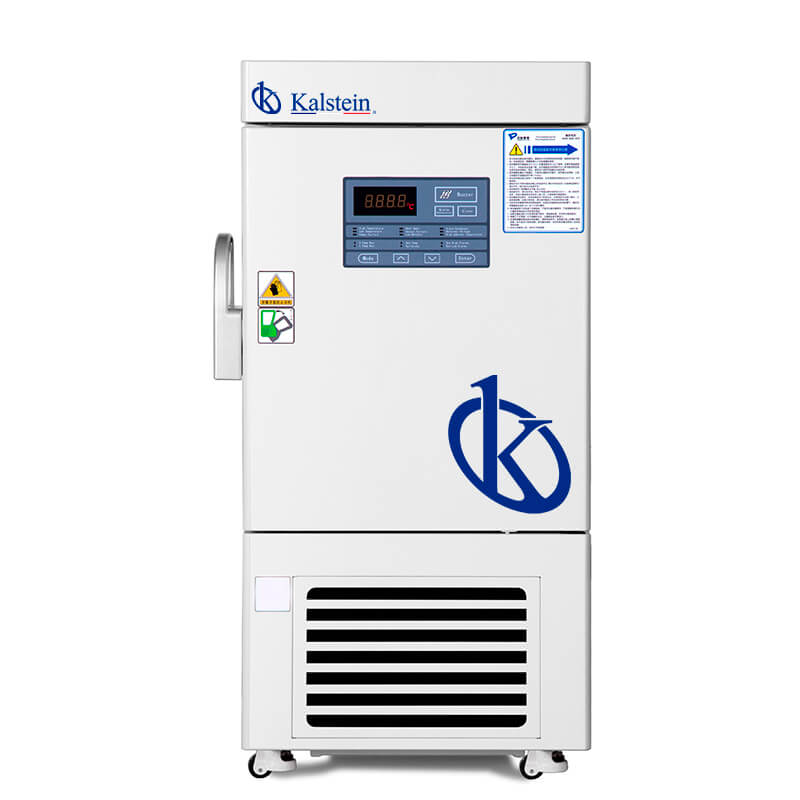
How to Optimize Energy Sustainability and Reduce Environmental Footprint with Ultra Freezers
In the modern laboratory, the emphasis on sustainability and minimizing environmental impact is becoming increasingly critical. Ultra freezers, specifically designed for long-term storage of biological materials, play a pivotal role in this effort. Understanding the energy consumption and efficiency of these devices is essential for laboratory professionals aiming to optimize their operations while adhering to sustainability goals.
Understanding Energy Sustainability in Ultra Freezers
Energy sustainability involves using technology and practices that meet current energy needs without compromising future generations' ability to meet theirs. For ultra freezers, energy efficiency can significantly influence operational costs and the environmental footprint. This section outlines key factors affecting energy consumption and presents best practices for enhancing sustainability.
Energy Efficiency Ratings
The energy efficiency ratings of ultra freezers vary widely among models. For instance, the Freezer YR05106 operates at 5.6 kWh per 24 hours, while the more powerful YR05110 uses up to 20 kWh. Understanding these ratings helps laboratories select models that align with sustainability goals, ensuring minimal energy waste.
Lifecycle Assessment
A lifecycle assessment (LCA) evaluates the environmental impact of a product from production to disposal. Choosing ultra freezers with lower energy consumption and longer lifespans can significantly reduce the total environmental impact. Implementing an LCA approach in decision-making enhances responsibility towards environmental stewardship.
Comparison of Available Models
| Model | Energy Consumption (kWh/24h) | Price (USD) | Best Use Case |
|---|---|---|---|
| YR05106 | 5.6 | 1450.00 | Long-term storage of biological samples |
| YR05107 | 8.2 | 2100.00 | Blood banks and hospitals |
| YR05108 | 12 | 2750.00 | Research laboratories |
| YR05109 | 16.5 | 3380.00 | Marine biology institutes |
| YR05110 | 20 | 4040.00 | High-capacity biological storage |
| YR05111 | 18.8 | 4760.00 | Institutes of biological engineering |
Common Mistakes and How to Avoid Them
Laboratories often overlook energy efficiency when selecting ultra freezers, focusing solely on capacity and price. This section discusses common pitfalls and how to prevent them to ensure sustainable operation.
Neglecting Energy Consumption in Decision Making
A frequent mistake is disregarding energy consumption metrics while making purchasing decisions. For instance, opting for the YR05109 model without considering its 16.5 kWh/day usage compared to lower consumption models like YR05106 can lead to higher operational costs. Always review energy ratings and choose models that balance both energy use and capacity.
Ignoring Maintenance Protocols
Proper maintenance enhances the sustainability of ultra freezers. Failing to regularly clean and service these units can increase energy consumption significantly. Implementing a regular maintenance schedule ensures optimal performance and energy efficiency, reducing the carbon footprint.
Strategies for Reducing Environmental Footprint
Reducing the environmental footprint of ultra freezers involves adopting various strategies that focus on energy conservation and waste reduction. Here are actionable steps laboratory professionals can take to achieve these goals.
Implementing Energy-Saving Modes
Many modern ultra freezers come equipped with energy-saving modes. For example, the YR05107 model can be configured to enter a power-saving state during non-peak hours, significantly reducing energy consumption. Utilizing these settings can lead to substantial savings over time.
Optimizing Storage Practices
Efficient organization and storage practices within ultra freezers can also reduce energy use. Keeping the units well-stocked but not overcrowded optimizes airflow, enhancing cooling efficiency. Regularly monitoring and organizing stored samples in models like the YR05110 can minimize energy waste.
Frequently Asked Questions
How can ultra freezers help meet energy sustainability targets in laboratories?
Ultra freezers, like the YR05106, are critical for meeting energy sustainability targets by minimizing energy consumption, with models consuming as little as 5.6 kWh per 24 hours. By selecting energy-efficient models, laboratories can achieve significant reductions in their overall energy footprint.
What is the average energy consumption of ultra freezers in laboratory settings?
The average energy consumption of ultra freezers varies by model. For instance, the YR05110 consumes 20 kWh per 24 hours, while the YR05106 is more efficient at 5.6 kWh. Understanding these differences can impact operational costs and sustainability efforts.
Which ultra freezer model offers the best energy efficiency for long-term storage?
The YR05106 ultra freezer offers excellent energy efficiency for long-term storage, with an energy consumption of just 5.6 kWh per day. This model is ideal for laboratories focused on reducing their environmental footprint while maintaining optimal storage conditions.
What maintenance practices can enhance the energy efficiency of ultra freezers?
Regular maintenance practices, such as cleaning condenser coils and checking seals, can enhance energy efficiency. For example, the YR05109 benefits from consistent service to maintain optimal performance and energy usage, directly impacting sustainability.
How do ultra freezers contribute to reducing a laboratory's carbon footprint?
Ultra freezers contribute to reducing a laboratory's carbon footprint by minimizing energy consumption and optimizing storage conditions. Models like the YR05107 with energy-efficient designs help laboratories operate sustainably while preserving essential biological samples.
Can using energy-efficient ultra freezers lower operational costs?
Yes, utilizing energy-efficient ultra freezers can significantly lower operational costs by reducing energy consumption. For example, the YR05106's low 5.6 kWh usage translates to lower utility bills, making it a cost-effective choice for laboratories.
What are the advantages of investing in newer ultra freezer models?
Investing in newer ultra freezer models, such as the YR05110, often includes advanced energy-saving features, improved insulation, and better temperature stability. These advantages enhance performance and support sustainability initiatives within laboratories.
How do different ultra freezer models compare in energy consumption and environmental impact?
Different ultra freezer models exhibit varying energy consumption levels. For example, the YR05106 consumes only 5.6 kWh per day, while the YR05110 uses 20 kWh. Comparing these models helps laboratories select units that align with their environmental impact reduction goals.
If you are looking for a fusion of innovation and quality, you have come to the right place. At Kalstein, we offer you the luxury of exploring our exclusive catalog of laboratory equipment. We manufacture every device to the highest standards of excellence. Our intuitive and seamless online purchasing channels are designed for your convenience, securing the most competitive prices. Hesitate no longer — we bring science to life, it is time to become part of our community.