How to Optimize Energy Sustainability with Water Baths in Laboratories?
In today's laboratory environments, the importance of energy sustainability and minimizing the environmental footprint has become paramount. Water baths, a staple in many scientific and medical labs, play a crucial role in various experiments and processes. However, their energy consumption can significantly affect overall laboratory sustainability. This article delves into ways to enhance energy efficiency, reduce resource consumption, and maintain optimal performance when using water baths.
Understanding the Role of Water Baths in Laboratory Settings
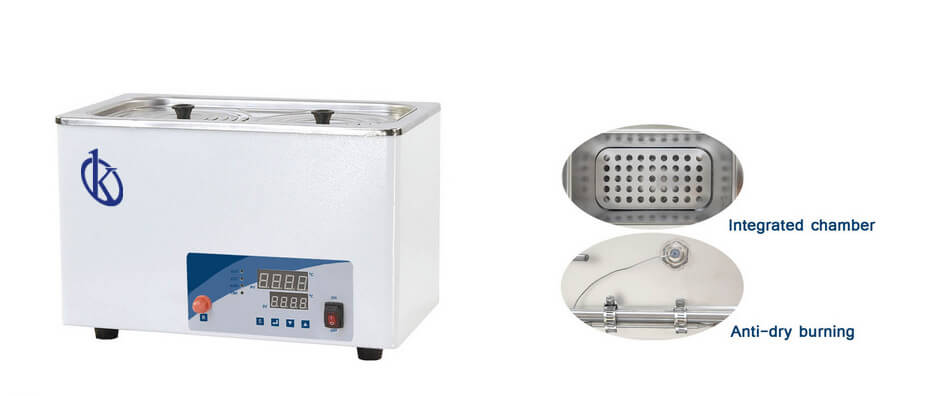
Water baths are used extensively for incubating samples, heating solutions, and maintaining temperature control in various laboratory applications. The YR series, including models like the YR05073 and YR05074, are particularly popular due to their stainless steel construction and efficient PID control systems. However, the operational costs associated with their use can impact the overall sustainability of a lab.
Key Features to Consider for Energy Efficiency
Choosing a water bath model that promotes energy efficiency is vital. The following features should be considered:
- Temperature Range: A wider temperature range, like that offered by the YR030L, allows flexibility for various applications while optimizing energy use.
- PID Control: Models such as the YR05001 feature precise temperature control, reducing energy consumption by maintaining stability.
- Insulation: Effective insulation minimizes heat loss, contributing to energy savings.
Implementing Best Practices for Sustainable Use
To enhance the sustainable use of water baths, consider the following best practices:
- Regular Maintenance: Ensure regular calibration and maintenance to keep the water bath operating efficiently.
- Smart Usage: Use only the necessary volume of water to reduce energy usage.
- Energy Monitoring: Implement energy monitoring systems to track consumption and identify inefficiencies.
Comparison of Available Models
| Model Code | Key Features | Energy Consumption (W) | Best Use Case |
|---|---|---|---|
| YR05073 | Stainless steel, PID control, Timer | 300W | Routine lab heating tasks |
| YR05074 | Integrated drainage, PID control | 600W | Multi-size glassware applications |
| YR030L | Shaking capability, LCD control | 600W | Biological and biochemical studies |
| YR05001 | Heating and cooling, precise control | 3000W | Chemical reactor applications |
Common Mistakes and How to Avoid Them
Laboratories often make mistakes that can lead to increased energy consumption and operational costs. Here are some common pitfalls and how to avoid them:
- Overloading the Bath: Ensure that the water bath is not overloaded, as this can lead to inefficiencies in heating and increased power consumption.
- Ignoring Maintenance: Regular calibration and service checks are essential to ensure optimal function and energy efficiency.
- Inadequate Setup: Proper placement and setup of the water bath can prevent heat loss and functionality issues.
Frequently Asked Questions
How can I reduce energy consumption with water baths in my laboratory?
Reducing energy consumption with water baths can be achieved by selecting models with efficient PID control, such as the YR05073, which provides precise temperature maintenance, ultimately lowering energy usage.
What are the key features of energy-efficient water baths like the YR05074?
Energy-efficient models like the YR05074 feature stainless steel construction, integrated drainage for easy maintenance, and PID control, which optimizes energy use by maintaining consistent temperatures.
Which water bath model is best for sustainable laboratory practices?
For sustainability, the YR030L stands out due to its dual function of heating and shaking, along with its LCD control for precise temperature management, making it ideal for diverse applications.
What is the average energy consumption of popular water bath models?
Popular models such as the YR05001 consume around 3000W, while models like the YR05073 are more energy-efficient at 300W, making them suitable for routine tasks.
How does PID control enhance energy efficiency in water baths?
PID control, as featured in models like the YR05074, enhances energy efficiency by providing precise temperature regulation, thereby reducing overheating and unnecessary energy expenditure.
What maintenance practices can lead to energy savings in water baths?
Regular maintenance, including calibration and inspection of seals, helps ensure models like the YR05073 operate efficiently, reducing overall energy consumption and prolonging their lifespan.
Can the size of the water bath impact its energy efficiency?
Yes, the size of the water bath can significantly impact its energy efficiency. Smaller models like the YR05073 may consume less energy compared to larger models like the YR05001, depending on the application.
How do I choose the right water bath for my laboratory's energy sustainability goals?
Choosing the right water bath involves considering energy consumption ratings, control technology, and material quality. Models like the YR05074 are designed with sustainability in mind, making them an excellent choice.
If you are looking for a fusion of innovation and quality, you have come to the right place. At Kalstein, we offer you the luxury of exploring our exclusive catalog of laboratory equipment. We manufacture every device to the highest standards of excellence. Our intuitive and seamless online purchasing channels are designed for your convenience, securing the most competitive prices. Hesitate no longer — we bring science to life, it is time to become part of our community.