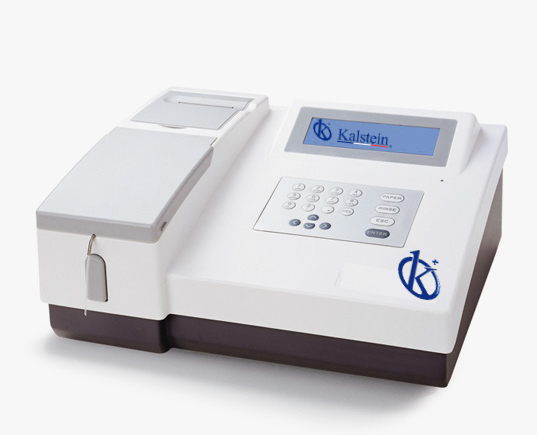
How to Optimize Predictive Maintenance and Calibration for Chemical Analyzers
In the ever-evolving landscape of laboratory technology, the importance of predictive maintenance and periodic calibration cannot be overstated. Chemical analyzers serve as vital tools in various laboratory settings, providing essential data for accurate analysis. This article delves into how to effectively implement predictive maintenance and calibration strategies, focusing on various models available in the market.
Understanding Predictive Maintenance in Chemical Analyzers
Predictive maintenance involves monitoring the condition of chemical analyzers to anticipate failures before they occur. This approach reduces downtime and extends the lifespan of the equipment. By integrating predictive maintenance, laboratories can ensure that their chemical analyzers consistently deliver accurate results while minimizing operational interruptions.
Calibration: Why It Matters
Calibration is the process of verifying the accuracy of a chemical analyzer against known standards. Regular calibration is crucial to ensure that the results produced meet the required specifications. For chemical analyzers, this process is not just about compliance; it directly impacts the quality of analysis, making it essential for reliable operations.
Key Features to Look for in Chemical Analyzers
When selecting chemical analyzers, certain features can enhance predictive maintenance and calibration efforts:
- Real-time Monitoring: Systems like the Semi-automatic Chemistry Analyzer YR05115 provide real-time data, enabling users to track performance issues swiftly.
- Automated Calibration Functions: Models such as the Automatic Chemistry Analyzer YR06075 come equipped with automated calibration features, simplifying the calibration process.
- Data Storage Capability: Analyzers with extensive data storage, like the YR05114, allow for comprehensive tracking of calibration and maintenance records.
Choosing the Right Calibration Intervals
Determining the right calibration interval is essential for maintaining accuracy. Factors influencing calibration frequency include usage intensity, environmental conditions, and specific testing requirements. For example, a highly utilized model like the YR06075 may require more frequent calibration than a less used device.
Integrating Predictive Maintenance Protocols
To establish effective predictive maintenance protocols, laboratories should consider the following steps:
- Implement Condition Monitoring: Use sensors to monitor key performance indicators such as temperature fluctuations and operational loads.
- Develop Maintenance Schedules: Create schedules based on historical data and manufacturer recommendations to prevent unexpected failures.
- Train Personnel: Ensure that laboratory staff are trained to recognize early signs of equipment failure, facilitating timely interventions.
Comparison of Available Models
| Model | Calibration Features | Predictive Maintenance Capabilities | Best Use Scenario |
|---|---|---|---|
| YR05115 | Automated calibration reminders | Real-time monitoring available | High-throughput environments |
| YR05114 | Extensive data storage | Condition-based alerts | Routine laboratory testing |
| YR06092 | Temperature control calibration | Minimal predictive maintenance features | Field testing scenarios |
| YR06075 | Automated calibration features | Comprehensive monitoring system | Laboratories with high demand |
| YR05116 | Continuous wavelength adjustment | Integrated diagnostics | Research and development labs |
| YR06078 | Customizable calibration protocols | Alerts for maintenance needs | Quality control testing |
Common Mistakes and How to Avoid Them
Avoiding common pitfalls in predictive maintenance and calibration is essential. Here are some frequent mistakes and strategies to prevent them:
- Neglecting Regular Maintenance: Set reminders for routine checks to avoid delays in identifying issues.
- Using Incorrect Calibration Standards: Always use traceable standards appropriate for the specific analyzer model.
- Inadequate Documentation: Maintain detailed records of calibration and maintenance activities to ensure compliance and traceability.
Frequently Asked Questions
What are the recommended calibration intervals for chemical analyzers?
The recommended calibration intervals for chemical analyzers, such as the YR06075, often depend on usage frequency and specific application requirements. Typically, labs should calibrate their devices every 3 to 6 months, or more frequently in high-demand settings.
How does predictive maintenance reduce downtime in chemical analyzers?
Predictive maintenance reduces downtime in chemical analyzers like the YR05115 by proactively identifying potential failures through real-time monitoring, allowing for timely interventions before issues escalate and disrupt operations.
Which calibration methods are most effective for chemical analyzers?
Effective calibration methods for chemical analyzers such as the YR06078 include using standardized reference materials and automated calibration protocols, ensuring accuracy and reliability in measurements.
What are the benefits of automated calibration in chemical analyzers?
Automated calibration in chemical analyzers like the YR06075 simplifies the calibration process, ensuring consistent accuracy while reducing the time and effort required for manual calibration tasks.
How can laboratories ensure compliance with calibration standards?
To ensure compliance with calibration standards, laboratories should follow guidelines such as ISO 17025, maintain detailed records for models like YR05114, and conduct regular audits to verify adherence to protocols.
What specific features should I look for in a chemical analyzer for predictive maintenance?
When selecting a chemical analyzer for predictive maintenance, like the YR05116, look for features such as real-time monitoring capabilities, automated alerts, and comprehensive data logging to track performance and maintenance needs.
How does the YR06092 support temperature calibration?
The YR06092 supports temperature calibration through its precise heating capabilities, offering adjustable temperature settings up to 45℃, which are critical for ensuring consistent sample analysis conditions.
What is the impact of calibration accuracy on chemical analysis results?
Calibration accuracy significantly impacts chemical analysis results by ensuring that the instruments, such as the YR05115, produce reliable and reproducible data, which is essential for meeting quality standards in laboratory environments.
If you are looking for a fusion of innovation and quality, you have come to the right place. At Kalstein, we offer you the luxury of exploring our exclusive catalog of laboratory equipment. We manufacture every device to the highest standards of excellence. Our intuitive and seamless online purchasing channels are designed for your convenience, securing the most competitive prices. Hesitate no longer — we bring science to life, it is time to become part of our community.