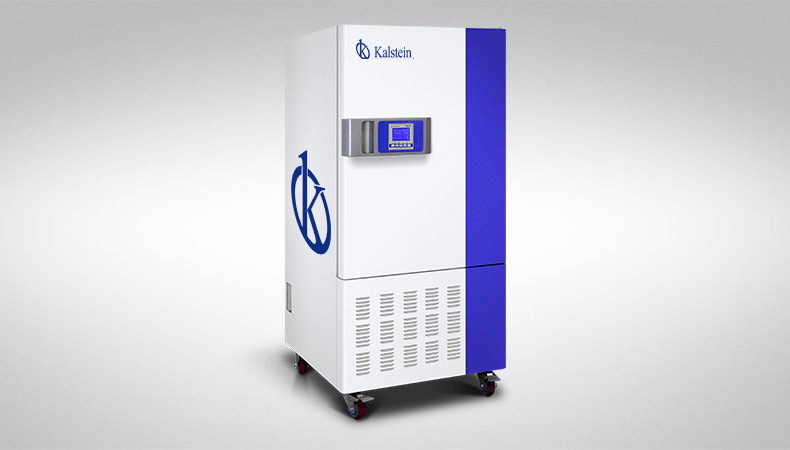
How to Optimize Productivity and Reduce Analysis Times with Drug Stability Test Chambers?
In the ever-evolving landscape of pharmaceutical and life sciences laboratories, maximizing productivity while minimizing analysis times is crucial. Drug stability test chambers play a vital role in this optimization. These chambers are essential for conducting stability tests under controlled environmental conditions, ensuring that pharmaceutical products maintain their efficacy and safety throughout their shelf life. This article will delve into multiple models of drug stability test chambers, highlighting their capabilities in enhancing laboratory operations and reducing analysis times.
Understanding the Role of Drug Stability Test Chambers
Drug stability test chambers are designed to simulate various environmental conditions that pharmaceutical products may encounter during their lifecycle. These chambers can mimic temperature fluctuations and humidity levels, providing a controlled environment for stability testing. By optimizing the testing procedures and reducing the time required for analysis, laboratories can significantly enhance their overall productivity.
Key Features That Enhance Productivity
Several features in drug stability test chambers contribute to improved efficiency. For instance, advanced control systems, such as PID microprocessor controllers, ensure precise temperature and humidity regulation. The use of forced convection improves temperature uniformity, reducing the likelihood of test variability. Additionally, automatic defrosting and multi-safety systems allow for continuous operation without interruptions, essential for busy laboratories.
Comparison of Available Models
| Model Code | Temperature Range (°C) | Humidity Range (% RH) | Price (USD) | Best For |
|---|---|---|---|---|
| YR05350 | 0-60 | 50-90 | 2500.00 | Pharmaceutical Testing |
| YR05351 | 0-60 | 50-90 | 2940.00 | Biotechnology Applications |
| YR05352 | 0-60 | 50-90 | 3900.00 | Food Industry Testing |
Common Mistakes and How to Avoid Them
One of the frequent mistakes when using drug stability test chambers is inadequate calibration. Calibration ensures that the temperature and humidity settings are accurate and reliable. Regular checks and adherence to standardized calibration procedures, such as those outlined by ISO 17025, can help avoid discrepancies in test results. Another common error is neglecting the importance of sample placement within the chamber, which can affect test outcomes. Proper training and operational protocols are essential to mitigate these issues.
Maximizing Laboratory Efficiency
Implementing a systematic approach to using drug stability test chambers can lead to significant time savings. Laboratories should establish a clear workflow where sample preparation, testing, and analysis are streamlined. Utilizing automation features available in modern stability chambers can further expedite processes, allowing personnel to focus on more critical tasks.
Energy Consumption and Sustainability Practices
As laboratories aim for sustainability, understanding the energy consumption of drug stability test chambers is vital. Selecting models with energy-efficient features can significantly reduce operational costs. For instance, the YR05350 model is known for its balanced refrigeration technology, which optimizes energy use while maintaining performance. Implementing scheduled maintenance can also enhance the longevity and efficiency of these chambers.
Regulatory Compliance and Documentation
Compliance with industry regulations is paramount for laboratories engaged in drug testing. Understanding how each model adheres to standards such as ISO 17025 can provide insights into their reliability and performance. Maintaining thorough records and documentation for each test performed in the chambers is essential for traceability and accountability, which are critical for regulatory audits.
Frequently Asked Questions
How can drug stability test chambers improve my laboratory's productivity?
Drug stability test chambers enhance productivity by allowing simultaneous testing of multiple samples under controlled conditions, minimizing analysis times. Models like YR05350 offer automated features that streamline workflows, making it easier for laboratories to manage high volumes of tests efficiently.
What is the temperature range for the YR05351 drug stability test chamber?
The YR05351 model provides a temperature range of 0-60°C, making it suitable for various stability testing applications in the pharmaceutical and biotechnology sectors. This range allows for comprehensive testing of different products under controlled conditions.
Which drug stability test chamber is best for food industry applications?
The YR05352 model is highly recommended for food industry applications, as it maintains a temperature range of 0-60°C and a humidity range of 50-90% RH. This versatility is crucial for testing the stability of food products under varying environmental conditions.
What are the energy efficiency benefits of drug stability test chambers?
Choosing models like the YR05350 can lower energy costs due to its advanced refrigeration technology, which optimizes energy use while providing reliable performance. Energy-efficient models help laboratories reduce operational expenses in the long run.
How do I ensure compliance with ISO 17025 using drug stability test chambers?
To ensure compliance with ISO 17025, laboratories must conduct regular calibrations and maintain detailed documentation of all tests performed within the drug stability test chambers. Utilizing models that support traceability features can significantly aid in meeting these standards.
Which model offers the best value for money in drug stability testing?
The YR05350 model offers excellent value for money at $2500 while providing robust features for effective drug stability testing. Its combination of performance and affordability makes it a popular choice among laboratories.
What common mistakes should I avoid when using drug stability test chambers?
Common mistakes include improper calibration and neglecting sample placement within the chambers. To avoid these pitfalls, laboratories should adhere to regular maintenance schedules and train staff on proper operational protocols.
How often should drug stability test chambers be calibrated?
Drug stability test chambers should be calibrated regularly, ideally every six months, to ensure accuracy and compliance with standards like ISO 17025. This practice is crucial for maintaining the integrity of stability testing.
If you are looking for a fusion of innovation and quality, you have come to the right place. At Kalstein, we offer you the luxury of exploring our exclusive catalog of laboratory equipment. We manufacture every device to the highest standards of excellence. Our intuitive and seamless online purchasing channels are designed for your convenience, securing the most competitive prices. Hesitate no longer — we bring science to life, it is time to become part of our community.