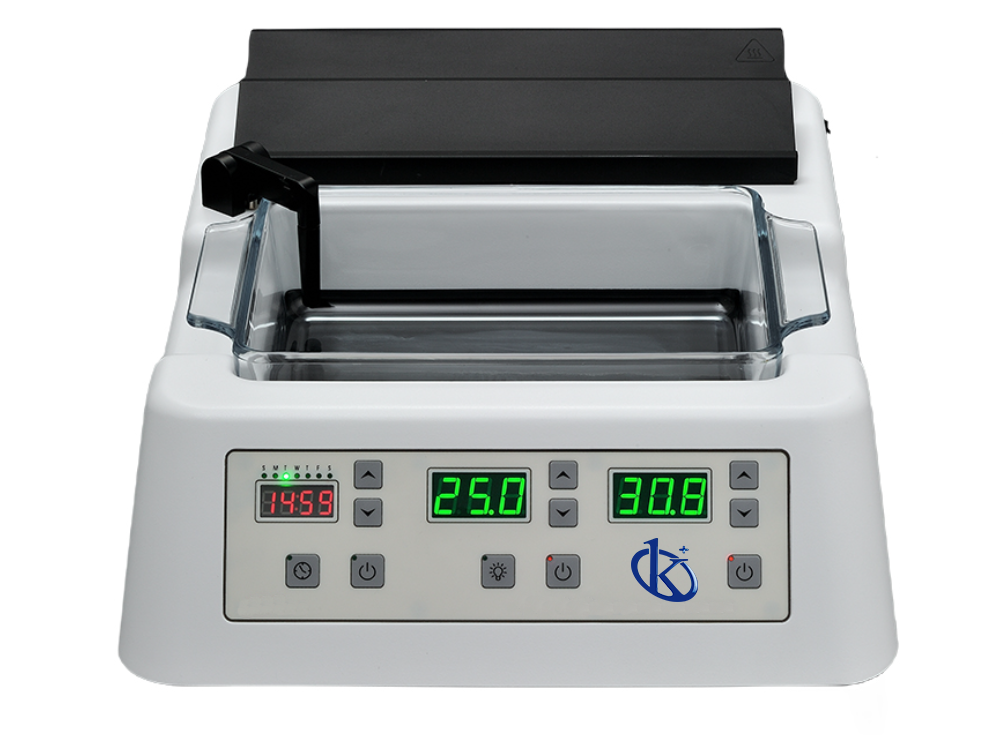
How to Optimize Tissue Flotation with LIMS Integration and Data Digitalization?
Tissue flotation is a critical step in pathological anatomy, particularly in preparing tissue samples for microscopic examination. The integration of Laboratory Information Management Systems (LIMS) and the digitalization of workflows can significantly enhance efficiency, accuracy, and data traceability in laboratory settings. This article explores how multiple models of tissue flotation workstations, specifically the YR457-1, YR456, and YR457, can be optimized through LIMS integration.
Framing Tissue Flotation through LIMS Integration
As laboratories strive for higher efficiency and accuracy, the integration of LIMS for tissue flotation processes becomes paramount. LIMS can streamline data collection, manage workflows, and improve compliance with regulations. The models discussed here provide unique features that facilitate seamless integration with LIMS, thus enabling better data management and digitalization.
Comparison of Available Models
| Model | Temperature Control | Memory Functions | Best For |
|---|---|---|---|
| YR457-1 | RT - 70℃ | Automatic memory and restoration | High-volume workflows |
| YR456 | RT - 70℃ | Automatic memory and restoration | Multi-user environments |
| YR457 | RT - 70℃ | Automatic memory and restoration | Small to medium labs |
Understanding LIMS Integration for Tissue Flotation
LIMS integration involves connecting laboratory equipment with a centralized information system, enabling real-time data management. In the context of tissue flotation, models like YR457-1 and YR456 support data transfer via common protocols, ensuring accurate record-keeping and compliance with standards. This integration can drastically reduce human error and enhance traceability of samples.
Key Benefits of Digitalizing Tissue Flotation Workflows
Digitalization offers numerous benefits, including improved data accuracy, streamlined communication, and enhanced regulatory compliance. With models such as YR457 featuring automatic temperature settings, labs can ensure optimal conditions for tissue samples, which is vital for diagnostic accuracy.
Protocol for LIMS Integration
The protocol for integrating LIMS with tissue flotation systems involves defining connectivity options, implementing middleware, and ensuring data security. Models like YR456 provide straightforward interfaces for integration, making them ideal for labs looking to transition to a digital environment. It’s essential to evaluate the cost of integration against potential efficiency gains.
Common Mistakes and How to Avoid Them
One common mistake in LIMS integration is underestimating the training required for staff. Ensuring that all personnel are adequately trained on new systems is critical for success. Additionally, not verifying the compatibility of tissue flotation models with existing LIMS software can lead to wasted resources. Engaging in thorough assessments before integration can mitigate these issues.
Energy Efficiency and Sustainability in Tissue Flotation
As laboratories aim for sustainability, energy-efficient models like the YR457 offer features that help reduce overall energy consumption. By optimizing the temperature control settings and utilizing automatic functions, labs can diminish their environmental footprint while maintaining high operational standards.
Frequently Asked Questions
What are the key features of the YR457-1 in LIMS integration?
The YR457-1 model features automatic memory functions and precise temperature control, making it suitable for laboratories aiming for seamless LIMS integration. It can maintain temperatures from room temperature to 70℃ with ±2℃ precision, enhancing data reliability in tissue flotation systems.
How can LIMS improve data management in tissue flotation?
By integrating LIMS with tissue flotation equipment, laboratories can achieve real-time data tracking and management. This method reduces errors and improves compliance with standards, benefiting models like YR456 that support multi-user setups.
What is the expected ROI from LIMS integration in tissue flotation laboratories?
The ROI from integrating LIMS can be significant, particularly in high-throughput environments. For instance, models like YR457 can reduce sample processing times, directly impacting overall laboratory efficiency and operational costs.
Which LIMS protocols are compatible with tissue flotation systems?
Common LIMS protocols compatible with tissue flotation systems include HL7 and ASTM standards. Models such as YR456 facilitate integration through these protocols, allowing for smoother operations and better data management.
How do digital workflows enhance tissue flotation processes?
Digital workflows streamline every step of the tissue flotation process, from sample management to data entry and reporting. The YR457-1 model's automatic restoration functions play a crucial role in maintaining consistency and accuracy in results.
What should labs consider when choosing a tissue flotation model?
When selecting a tissue flotation model, labs should consider compatibility with LIMS, energy efficiency, and temperature control features. Evaluating these aspects ensures optimal performance and integration capabilities, particularly in high-demand settings.
How can laboratories minimize errors in tissue flotation?
Minimizing errors in tissue flotation can be achieved by implementing automated systems like the YR456, which features automatic memory settings and precise temperature controls. These capabilities enhance reliability and reduce the possibility of human error in sample handling.
What are the advantages of using the YR456 in a multi-user lab environment?
The YR456's user-friendly interface and automatic temperature maintenance features make it ideal for multi-user labs. By enabling consistent data management and efficient workflow, this model supports collaborative efforts in tissue flotation processes.
If you are looking for a fusion of innovation and quality, you have come to the right place. At Kalstein, we offer you the luxury of exploring our exclusive catalog of laboratory equipment. We manufacture every device to the highest standards of excellence. Our intuitive and seamless online purchasing channels are designed for your convenience, securing the most competitive prices. Hesitate no longer — we bring science to life, it is time to become part of our community.