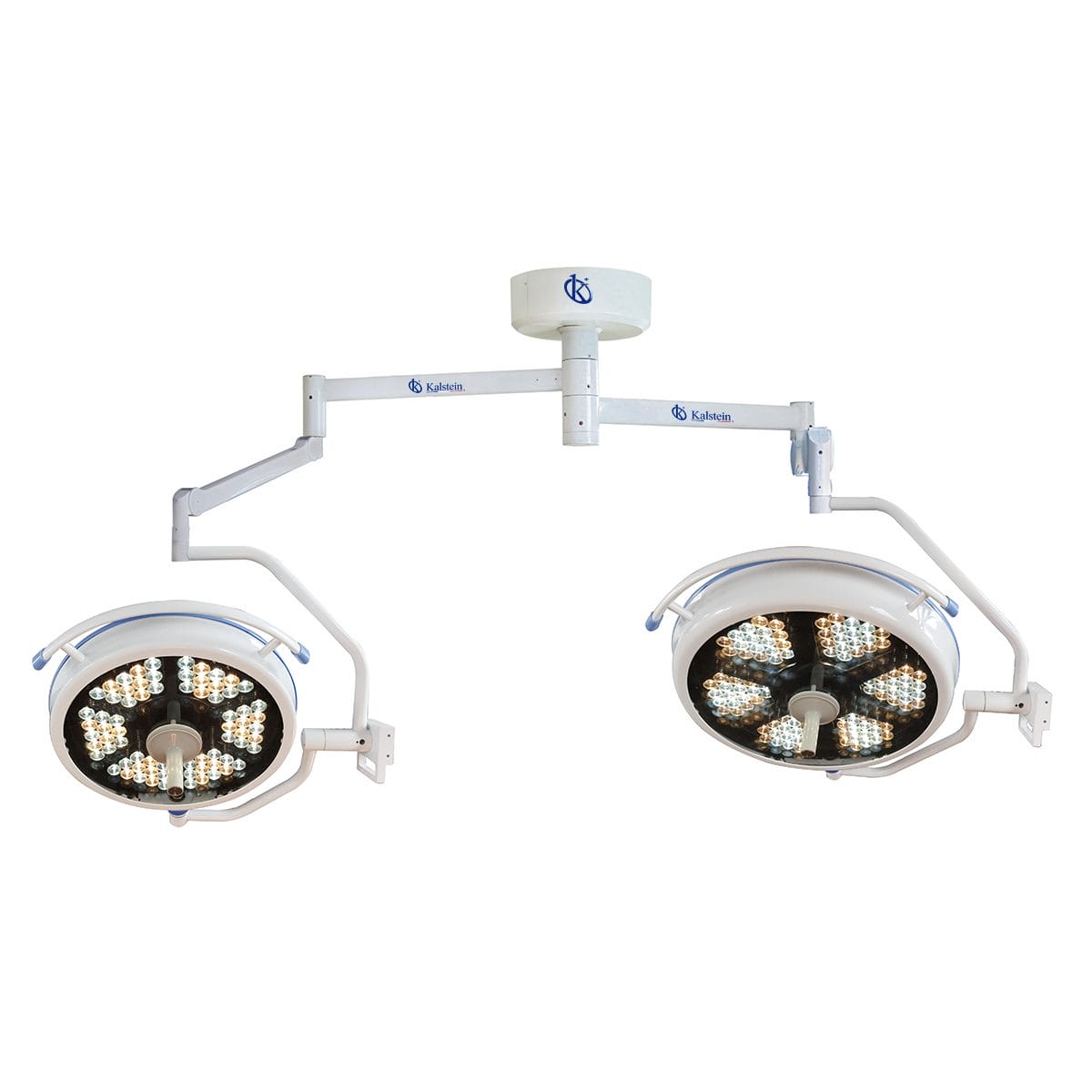
Optimizing Predictive Maintenance and Recommended Calibration for Veterinary Operating Lamps
Veterinary operating lamps play an essential role in surgical procedures by providing the necessary illumination for complex tasks. However, like any medical equipment, these lamps require regular maintenance and calibration to ensure optimal performance and compliance with safety standards. This article focuses on predictive maintenance strategies and recommended calibration practices for veterinary operating lamps, specifically exploring multiple models and their unique features.
Understanding Predictive Maintenance in Veterinary Operating Lamps
Predictive maintenance is a proactive approach that utilizes data-driven insights to anticipate equipment failures before they occur. In the context of veterinary operating lamps, this means regularly monitoring performance metrics, such as light intensity and color temperature, to ensure they meet operational requirements. The benefits of predictive maintenance include reduced downtime, extended equipment lifespan, and improved safety. By implementing a predictive maintenance program, veterinary clinics can mitigate risks associated with lamp failure during critical procedures.
Importance of Calibration in Veterinary Operating Lamps
Calibration ensures that veterinary operating lamps provide accurate light levels and color temperatures as specified by the manufacturer. Regular calibration is crucial for meeting medical standards and ensuring that the equipment functions correctly during surgical procedures. The calibration process typically involves comparing the lamp's performance against a known standard and adjusting settings as necessary. Failure to calibrate can result in inadequate lighting conditions, compromising surgical outcomes and patient safety.
Recommended Calibration Intervals for Veterinary Operating Lamps
Establishing a routine calibration schedule is vital for maintaining the performance of veterinary operating lamps. For most models, a bi-annual calibration is recommended, but this may vary based on usage frequency and specific model requirements. High-intensity lamps that are frequently used in complex surgical procedures may benefit from more frequent checks. It’s essential to document calibration procedures to ensure traceability and compliance with health regulations.
Comparative Analysis of Veterinary Operating Lamp Models
When evaluating veterinary operating lamps, it's crucial to compare their features, performance metrics, and overall suitability for specific surgical environments. Below, we present a comparison table highlighting key specifications and calibration-related features of various models:
| Model | Illuminance (Lux) | Color Temperature (K) | Depth of Illumination (mm) | Calibration Frequency | Best For |
|---|---|---|---|---|---|
| YR06115 | ≥160,000 | 3800±500 to 5000±500 | ≥1300 | Every 6 months | Complex surgeries |
| YR06116 | 160,000 | 3500 to 5000 (6 levels) | N/A | Every 6 months | General use |
| YR06117 | 40,000 to 160,000 | 3000 to 6700 (adjustable) | ≥600 | Every 6 months | High-intensity surgeries |
| YR06118 | 40,000 to 160,000 | 3000 to 6700 (adjustable) | ≥600 | Every 6 months | Wall-mounted applications |
| YR06119 | ≥100,000 | 4800±300 | ≥600 | Every 6 months | Minor surgical procedures |
| YR06120 | ≥50,000 | 4800±200 | N/A | Every 6 months | Portable applications |
Common Mistakes and How to Avoid Them
One common mistake in maintaining veterinary operating lamps is neglecting the calibration process, leading to discrepancies in light output during critical operations. Additionally, many professionals overlook the importance of recording maintenance activities, which can hinder compliance with regulatory standards. To avoid these pitfalls, establish a comprehensive maintenance schedule that includes regular calibration checks and thorough documentation of all maintenance activities.
Preventive vs. Predictive Maintenance Strategies
Preventive maintenance involves routine checks and servicing, usually performed on a fixed schedule regardless of the equipment's condition. Predictive maintenance, on the other hand, relies on real-time performance data to determine when maintenance should occur. The latter is often more efficient, allowing for informed decisions based on actual usage patterns and performance metrics. Implementing predictive maintenance for models like the YR06115 can significantly extend their lifespan and ensure constant readiness for surgery.
Utilizing Technology for Predictive Maintenance of Operating Lamps
Modern veterinary operating lamps can be equipped with sensors that monitor performance metrics such as light intensity and color temperature. By utilizing these technologies, veterinary professionals can gather critical data that informs predictive maintenance schedules. For example, an operating lamp like the YR06116 may include built-in sensors that alert users to any significant changes in performance, prompting timely calibration and maintenance actions.
Frequently Asked Questions
What calibration standards apply to veterinary operating lamps such as YR06115?
The YR06115 model must adhere to established calibration standards that ensure compliance with medical lighting requirements. Calibration should verify that it meets or exceeds the specified illuminance of ≥160,000 Lux and color temperature ranges, typically performed every six months.
How often should the YR06116 surgical lamp be calibrated for optimal performance?
The YR06116 model should undergo calibration every six months to maintain its illuminance of 160,000 Lux and adjustable color temperature settings. Regular calibration is essential to provide consistent lighting for surgical procedures.
What predictive maintenance practices can I implement for YR06117 lamps?
For YR06117 lamps, implementing predictive maintenance practices includes monitoring its performance metrics such as illuminance levels (40,000 to 160,000 Lux) and color temperature adjustments. Real-time data can help schedule timely maintenance and reduce unexpected failures.
How does the YR06118 lamp ensure compliance with surgical lighting requirements?
The YR06118 lamp meets surgical lighting requirements through its adjustable color temperature of 3000 to 6700K and illuminance levels of 40,000 to 160,000 Lux. Regular calibration every six months ensures compliance and optimal performance.
What maintenance strategies should I follow for YR06119 surgical lamps?
For YR06119 surgical lamps, it’s important to follow a strict maintenance strategy that includes bi-annual calibration and regular inspections to ensure that it provides reliable illuminance of ≥100,000 Lux and adheres to safety standards.
In what scenarios is the YR06120 model most effective?
The YR06120 model is most effective for portable applications that require a compact design and reliable illumination of ≥50,000 Lux. Regular calibration every six months is recommended to maintain performance during various veterinary procedures.
What are the critical parameters to monitor in predictive maintenance for operating lamps?
Critical parameters to monitor in predictive maintenance include illuminance levels, color temperature accuracy, and operational hours. For example, the YR06115 model requires attention to its illuminance level of ≥160,000 Lux to ensure it meets surgical standards.
How can I request a quote for veterinary operating lamps from Kalstein?
You can easily request a quote for veterinary operating lamps by visiting Kalstein's catalog. They offer a range of models tailored to your needs, ensuring you receive the best options for your veterinary practice.
If you are looking for a fusion of innovation and quality, you have come to the right place. At Kalstein, we offer you the luxury of exploring our exclusive catalog of laboratory equipment. We manufacture every device to the highest standards of excellence. Our intuitive and seamless online purchasing channels are designed for your convenience, securing the most competitive prices. Hesitate no longer — we bring science to life, it is time to become part of our community.