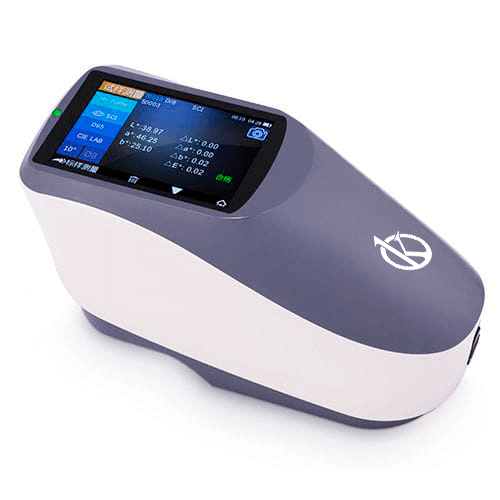
Portable Spectrophotometers: A Practical Step-by-Step Guide in 2026
What is it used for in 2026
In 2026, portable spectrophotometers are widely used in various laboratory and field settings to analyze the color and brightness of materials. These instruments measure the intensity of light at different wavelengths, making them essential for industries including paints, textiles, printing, and more. They provide precise color measurement and enable quality control in production processes.
History and evolution of the technology
The evolution of spectrophotometry dates back to the early 19th century with the development of the first spectrophotometers. These devices have significantly transformed from bulky laboratory instruments into compact, portable units that offer advanced functionalities such as Bluetooth connectivity and dual modes of operation. The integration of digital technology has enhanced accuracy and ease of use, making spectrophotometers an indispensable tool in modern laboratories.
How to use it step by step
Using a portable spectrophotometer involves several key steps:
- Calibration: Start with calibrating the device according to the manufacturer’s instructions. Ensure that the calibration is done under the same conditions as the measurements.
- Sample Preparation: Prepare your samples by ensuring they are clean and appropriately sized for the spectrophotometer's aperture.
- Measurement Setup: Select the desired aperture size and set the measurement mode (e.g., SCI/SCE) based on the application.
- Take Measurements: Place the sample in the optical path and initiate the measurement. Record the readings displayed on the device.
- Data Analysis: Analyze the data collected, comparing it with standard values if necessary to determine color accuracy and consistency.
- Documentation: Maintain a record of the measurements for quality assurance and future reference.
Best techniques and protocols
When operating a portable spectrophotometer, adhering to best practices enhances the accuracy of results:
- Always use a clean sample holder to avoid contamination.
- Perform regular calibration checks, especially before critical measurements.
- Use consistent lighting conditions to ensure uniform results.
- Document all measurement conditions for reproducibility.
- Maintain the equipment by following the manufacturer's guidelines for cleaning and care.
Practical applications by laboratory type
Portable spectrophotometers find applications across various laboratory types:
- Paint and Coating Labs: For color formulation and quality control.
- Textile Laboratories: To ensure color matching and consistency in fabrics.
- Food Industry: For color analysis in food products to maintain quality.
- Environmental Testing: To assess color and light absorption in water quality testing.
- Pharmaceutical Labs: For quality assurance in product formulation and testing.
Regulations, standards and certifications
In 2026, portable spectrophotometers must comply with several regulations and standards such as CIE, ISO, and ASTM to ensure accuracy and reliability. These standards guide the manufacturers in design and production, ensuring that the devices can be used across different industries with confidence.
Comparison with alternative technologies
While portable spectrophotometers are widely used, alternatives such as colorimeters and fixed spectrophotometers also exist. Colorimeters are typically less expensive and easier to use but lack the precision of spectrophotometers. Fixed spectrophotometers, while providing high accuracy, are not portable and require a controlled environment, making them less versatile than portable models.
Comparison of available models
| Model | Best for | Key specs | Recommended use case |
|---|---|---|---|
| YR05503 | Traffic signals and reflective materials | 20 mm aperture, measures brightness and color coordinates | Measuring brightness and color coordinates for traffic signs |
| YR05504 | Laboratory color analysis | 8 mm and 4 mm apertures, high precision | Color matching in paints and textiles |
| YR05505 | Quality control in various industries | Custom aperture sizes of 8 mm, 4 mm, or 2 mm | General color measurement for quality control |
| YR05500 | UV and color measurements | Bluetooth, USB interface, dual aperture modes | Color measurement in UV-sensitive materials |
| YR05501 | UV and color measurements | Bluetooth, USB interface, high accuracy | Color consistency testing in pharmaceuticals |
| YR05502 | UV-sensitive material analysis | Bluetooth, USB, custom aperture sizes | Advanced color analysis in research labs |
Common mistakes and how to avoid them
Users often fall into several common pitfalls:
- Inadequate Calibration: Skipping calibration can lead to inaccurate results; always calibrate before use.
- Neglecting Maintenance: Failing to maintain and clean the device can affect performance; regular upkeep is vital.
- Inconsistent Sample Conditions: Measuring samples under varying conditions can skew results; maintain consistent conditions for accuracy.
- Ignoring Documentation: Not documenting findings can lead to lost data; always keep detailed records.
Maintenance, calibration and good practices 2026
Regular maintenance and calibration are crucial for optimal performance. The following practices are recommended:
- Calibrate before each significant measurement session.
- Clean the sample holder and apertures regularly to prevent contamination.
- Store the device in a protective case to avoid physical damage.
- Follow the manufacturer's maintenance schedule for check-ups and updates.
Cost-benefit analysis 2026
Investing in a portable spectrophotometer can yield substantial benefits in terms of time and accuracy. The upfront costs can be high, but the long-term savings from improved quality control, faster measurements, and reduced rework can justify the investment. Additionally, the versatility of these instruments allows for multiple applications across different industries, enhancing their value.
Frequently asked questions
What are the key factors to consider when choosing a portable spectrophotometer?
When selecting a portable spectrophotometer, consider factors such as aperture size, measurement accuracy, connectivity options (like Bluetooth or USB), and the specific applications you will use it for. It's also important to look at the device's compliance with relevant standards and its ease of use.
How often should I calibrate my portable spectrophotometer?
Calibration frequency depends on usage but is recommended before every significant measurement session or at least once a day if used continuously. Regular calibration ensures the accuracy of the measurements.
Can I use a portable spectrophotometer for outdoor measurements?
Yes, portable spectrophotometers are designed for field use, but ensure that environmental conditions are suitable to avoid temperature extremes or direct sunlight that may affect readings.
What types of samples can be measured with a portable spectrophotometer?
Portable spectrophotometers can measure a wide range of samples, including liquids, solids, and powders. However, the sample must be prepared to fit the aperture and provide clear readings.
Is training necessary to operate a portable spectrophotometer?
While basic operation can be straightforward, training is recommended to understand the calibration process, proper measurement techniques, and data interpretation for accurate results.
What should I do if my measurements seem inconsistent?
If measurements are inconsistent, check for calibration issues, sample preparation errors, or environmental factors. Regular maintenance and cleaning of the device can also help resolve inconsistencies.
If you are looking for a fusion of innovation and quality, you have come to the right place. At Kalstein, we offer you the luxury of exploring our exclusive catalog of laboratory equipment. We manufacture every device to the highest standards of excellence. Our intuitive and seamless online purchasing channels are designed for your convenience, securing the most competitive prices. Hesitate no longer — we bring science to life, it is time to become part of our community.