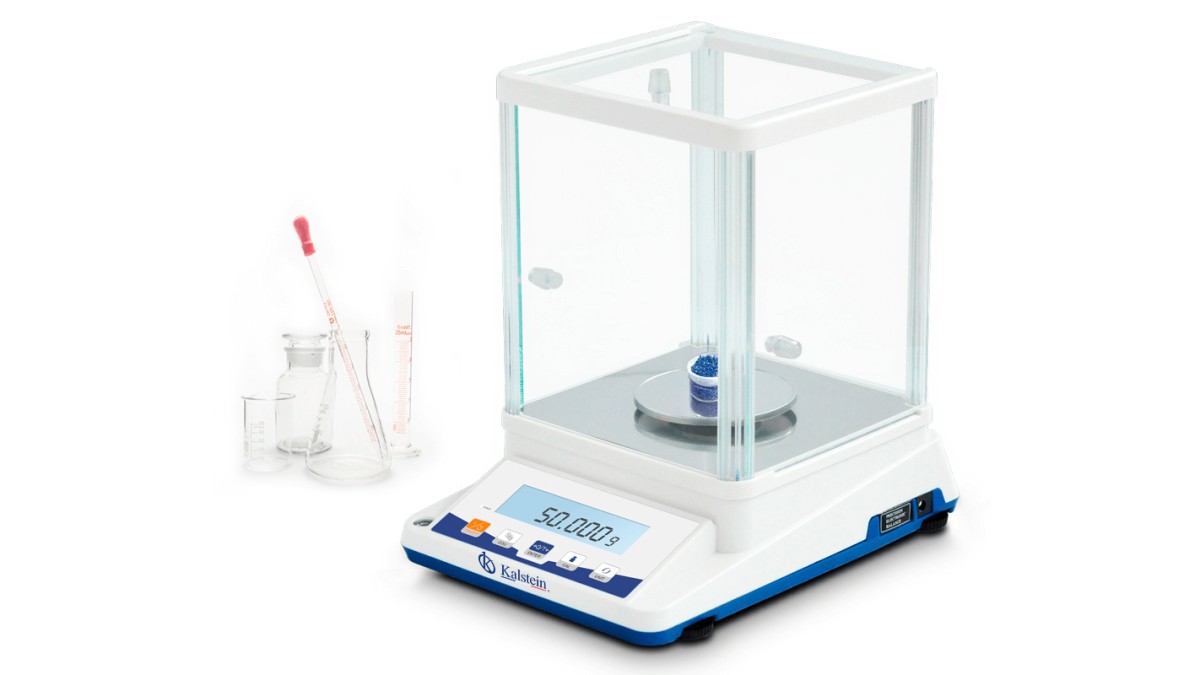
Precision Balances: Best Techniques and Protocols 2026
What is it used for in 2026
Precision balances are vital tools in laboratories, providing accurate measurements for a variety of applications. In 2026, they are primarily used for weighing chemicals, biological samples, and other materials with high precision. These tools are essential in environments where accuracy and repeatability are crucial, such as in pharmaceuticals, environmental analysis, and quality control laboratories.
History and evolution of the technology
The evolution of precision balances began with mechanical scales, progressing through the introduction of electronic balances in the late 20th century. Today's precision balances incorporate advanced sensors and digital technologies, allowing for enhanced accuracy, ease of use, and versatile functionality. Continuous improvements have led to better load cells, faster stabilization times, and integrations with software for data management.
How to use it step by step
Using a precision balance involves several key steps:
- Ensure the balance is leveled and calibrated according to the manufacturer’s instructions.
- Turn on the balance and allow it to warm up for the recommended time.
- Select the desired unit of measurement (grams, ounces, etc.) on the display panel.
- Use the tare function to zero the balance with the weighing container on the pan.
- Carefully add the material to be weighed and wait for the reading to stabilize.
- Record the measurement, ensuring to follow appropriate safety protocols.
- After use, clean the balance to maintain its condition.
Best techniques and protocols
To achieve optimal results with precision balances, follow these techniques and protocols:
- Always use appropriate weighing containers that minimize error.
- Limit vibrations and drafts in the environment to maintain accuracy.
- Regularly calibrate the balance using certified weights.
- Use the draft shield, if available, to protect the weighing area.
- Document all measurements for traceability and quality assurance.
Practical applications by laboratory type
Different laboratories utilize precision balances in varied ways:
- Pharmaceutical Labs: For accurate formulation of compounds.
- Food Laboratories: To ensure quality control of ingredients and products.
- Environmental Labs: For precise measurements of soil and water samples.
- Academic Research: In experiments requiring exact weight measurements.
Regulations, standards and certifications
Precision balances must comply with various regulations and standards to ensure credibility and accuracy. Compliance with ISO standards, such as ISO 17025 for laboratory management and testing, is essential. Certifications may also include calibration certifications from recognized bodies, ensuring the balance meets specific industry requirements.
Comparison with alternative technologies
While precision balances are highly accurate, alternatives exist, such as analytical balances and load cells. Analytical balances offer higher precision but can be more expensive and sensitive. Load cells are used in industrial applications for bulk measurements but lack the detailed functionality of precision balances. Each technology has its advantages depending on specific laboratory needs.
Comparison of available models
| Model | Best for | Key specs | Recommended use case |
|---|---|---|---|
| YR05584 | General laboratory use | Capacity: 110g, Readability: 0.001g | Precision tasks requiring high accuracy. |
| YR05585 | General laboratory use | Capacity: 210g, Readability: 0.001g | Standard weighing tasks in labs. |
| YR05586 | General laboratory use | Capacity: 310g, Readability: 0.001g | Suitable for measuring various samples. |
| YR05587 | Heavy samples | Capacity: 610g, Readability: 0.001g | For weighing larger samples and materials. |
| YR05588 | Light materials | Capacity: 210g, Readability: 0.01g | Ideal for precise measurements of light items. |
| YR05589 | Light materials | Capacity: 310g, Readability: 0.01g | Excellent for smaller items in a lab setting. |
Common mistakes and how to avoid them
Many users make mistakes that can affect accuracy. Here are some common errors:
- Not taring: Always tare the balance before weighing.
- Ignoring environmental factors: Ensure the balance is in a stable environment.
- Using improper containers: Use containers that do not affect the weight.
- Skipping calibration: Regular calibration is key for accurate readings.
Maintenance, calibration and good practices 2026
Regular maintenance and calibration are vital for precision balances. Perform daily checks to ensure the balance is level and clean the weighing pan after each use. Calibration should be done at least once a month or as per usage frequency. Follow the manufacturer's guidelines for cleaning and maintenance to prolong the lifespan of the equipment.
Cost-benefit analysis 2026
Investing in precision balances can be justified through a cost-benefit analysis. The initial cost may be high, but the benefits include enhanced accuracy, compliance with regulations, and improved operational efficiency. Over time, the cost savings from reduced errors and rework can outweigh the investment.
Frequently asked questions
How do I choose the right precision balance for my laboratory?
Consider the required capacity, readability, and specific applications. Assess the types of materials you will be weighing and choose a model that meets those needs appropriately.
What is the importance of calibration?
Calibration ensures that your balance provides accurate measurements. It is vital for compliance with regulations and maintaining the reliability of your experimental results.
Can I use a precision balance in a drafty environment?
It is not recommended, as drafts can affect the accuracy of measurements. Use a draft shield or relocate the balance to a more stable environment.
How often should I perform maintenance on my balance?
Regular maintenance should be conducted based on usage, but a good practice is to check and clean daily, and calibrate monthly.
What materials are best for weighing on precision balances?
Use lightweight containers that do not affect the weight measurement, such as plastic or glass vessels that are clean and dry.
How do I ensure repeatability in measurements?
Ensure consistent weighing conditions, such as using the same container, environment, and following the same operating procedures each time.
If you are looking for a fusion of innovation and quality, you have come to the right place. At Kalstein, we offer you the luxury of exploring our exclusive catalog of laboratory equipment. We manufacture every device to the highest standards of excellence. Our intuitive and seamless online purchasing channels are designed for your convenience, securing the most competitive prices. Hesitate no longer — we bring science to life, it is time to become part of our community.