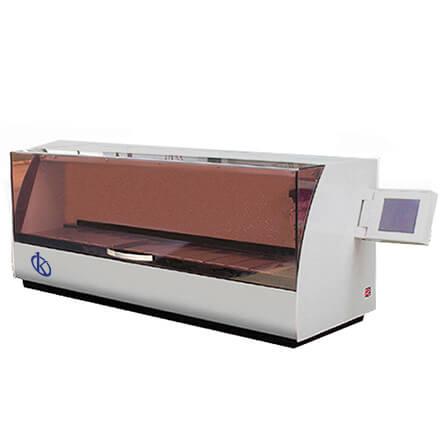
Predictive Maintenance and Recommended Calibration for Automatic Slide Stainers
Automatic slide stainers are crucial for histopathology labs, providing high-throughput staining capabilities that enhance workflow efficiency. However, like all laboratory equipment, they require regular maintenance and calibration to ensure optimal performance. This article delves into the importance of predictive maintenance strategies and the recommended calibration routines for various models of automatic slide stainers, helping laboratories maximize their operational efficiency.
Understanding Predictive Maintenance in Automatic Slide Stainers
Predictive maintenance involves using data-driven insights and analytics to predict when equipment will require maintenance. For automatic slide stainers, this approach minimizes downtime and prolongs the lifespan of the equipment. Implementing predictive maintenance can be achieved through constant monitoring of the stainer's operational parameters, such as temperature, reagent usage, and maintenance logs.
By utilizing historical data, laboratories can schedule maintenance before potential failures occur, thereby avoiding costly interruptions. For instance, a model like the YR435 can benefit from predictive analysis by tracking the 14 processing cups and their efficiency to flag when cleaning or calibration is necessary.
Periodic Calibration: Importance and Standards
Calibration ensures that the automatic slide stainers produce reproducible and accurate results. Regular calibration schedules should be based on the manufacturer’s recommendations and laboratory-specific usage patterns. The key metrics for calibration include temperature accuracy, reagent dispensing volumes, and timing of staining processes.
For example, the YR436-1 model, with its adjustable treatment duration and temperature control accuracy of ±1%, must be calibrated regularly to maintain operational standards. Following relevant ISO standards, such as ISO 15189 for medical laboratories, can guide the calibration process.
Calibration Intervals: Best Practices
Establishing the right calibration intervals is crucial. It often depends on factors like usage frequency, the type of specimens processed, and the reagents used. For high-throughput models like the YR435-1, a monthly calibration may be sufficient, while lower-use devices might only require quarterly checks.
Documenting each calibration event helps ensure compliance and traceability, which is vital for laboratory accreditation and quality assurance.
Challenges of Predictive Maintenance in Laboratories
While predictive maintenance offers significant advantages, it also comes with challenges. One of the main difficulties is the initial setup cost, which involves investing in monitoring technology and training staff. Additionally, laboratories must have a culture that embraces data-driven decision-making.
For instance, transitioning to predictive maintenance for the YR436-1 requires not only technology but also a shift in how laboratory professionals approach equipment management.
Models Comparison Overview
When evaluating automatic slide stainers, it's essential to consider how each model accommodates predictive maintenance and calibration schedules. Below is a comparison of the YR435, YR435-1, and YR436-1 models based on their specific features related to maintenance and calibration.
Comparison of Available Models
| Model | Processing Capacity | Calibration Interval | Best For | Price (USD) |
|---|---|---|---|---|
| YR435 | 72 slides simultaneously | Monthly | High-throughput labs | 3800.00 |
| YR435-1 | 400 slides per hour | Monthly | Variable staining needs | 10600.00 |
| YR436-1 | 15 tanks, 350ml each | Quarterly | Compact workspaces | 2800.00 |
Common Mistakes and How to Avoid Them
One common mistake laboratories make is neglecting regular calibration, leading to inaccurate results. To avoid this, establish a clear calibration schedule and stick to it. Another pitfall is not adequately training staff on predictive maintenance protocols, resulting in missed opportunities for efficiency gains. Investing in training sessions can significantly enhance the effectiveness of maintenance strategies.
It’s also essential to maintain thorough documentation of all maintenance and calibration activities, which can help prevent compliance issues and ensure traceability.
Frequently Asked Questions
How often should I calibrate the YR435 automatic slide stainer?
The YR435 automatic slide stainer should be calibrated monthly to ensure consistent performance and accuracy in staining processes. This frequency helps maintain compliance with standards such as ISO 15189, enhancing the reliability of laboratory results.
What are the benefits of predictive maintenance for YR436-1 models?
Predictive maintenance for the YR436-1 model can significantly reduce operational downtime and extend the equipment's lifespan. By monitoring operational metrics, labs can schedule maintenance proactively, preventing unexpected failures and ensuring continuous workflow.
Which calibration standards apply to automatic slide stainers in laboratories?
Automatic slide stainers, including models like the YR435 and YR435-1, should adhere to standards such as ISO 15189 for medical labs. These standards provide guidelines for calibration processes that ensure the reliability and accuracy of laboratory results.
How can I ensure accuracy when using YR435-1 for staining?
To ensure accuracy with the YR435-1, regular calibration is essential. It is recommended to calibrate the device monthly, focusing on reagent dispensing and timing to achieve precise staining results and maintain compliance with industry standards.
What predictive maintenance tools can I use for automatic slide stainers?
Laboratories can utilize data analytics software to monitor the YR436-1 and other slide stainers for predictive maintenance. These tools analyze operational data to predict when maintenance is necessary, minimizing unplanned downtime and improving efficiency.
How do I document maintenance for my automatic slide stainers?
Documenting maintenance for automatic slide stainers like the YR435 involves recording all calibration dates, maintenance activities, and any anomalies observed. This documentation is essential for compliance with quality standards and for the efficient operation of laboratory equipment.
What are the key indicators of needing maintenance for automatic slide stainers?
Key indicators for needing maintenance on models like the YR435 and YR436-1 include irregular staining results, error messages on the display, and unusual noises during operation. Monitoring these indicators can help schedule timely maintenance and avoid performance issues.
Why is calibration important for automatic slide stainers in pathology?
Calibration is crucial for automatic slide stainers in pathology, such as the YR435, to ensure accurate staining results. Regular calibration helps maintain compliance with industry standards, ensuring that laboratory results are reliable and reproducible.
If you are looking for a fusion of innovation and quality, you have come to the right place. At Kalstein, we offer you the luxury of exploring our exclusive catalog of laboratory equipment. We manufacture every device to the highest standards of excellence. Our intuitive and seamless online purchasing channels are designed for your convenience, securing the most competitive prices. Hesitate no longer — we bring science to life, it is time to become part of our community.