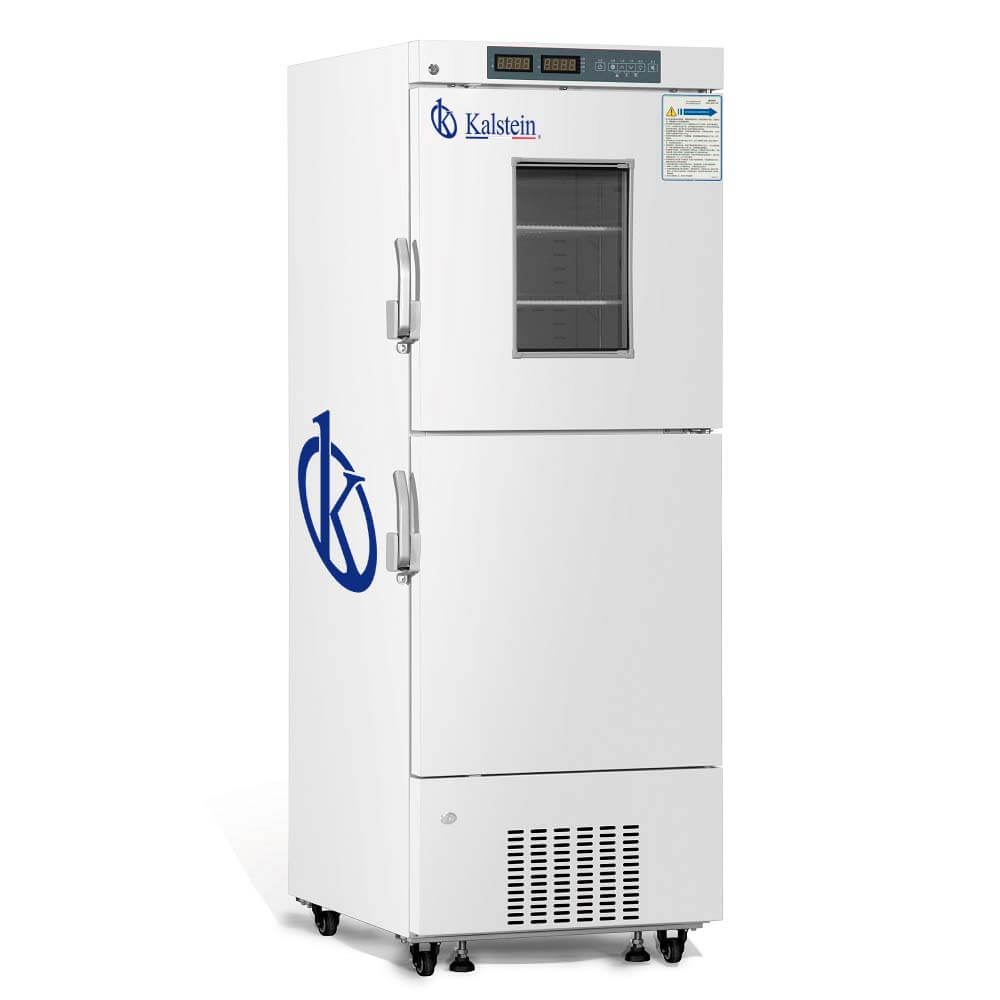
How to Implement Predictive Maintenance and Periodic Calibration for Combined Freezers
In laboratory environments, especially in medical and pharmaceutical settings, maintaining the integrity of biological samples and vaccines is paramount. Combined freezers play a crucial role in this as they provide both refrigeration and freezing capabilities. This guide delves into the practices of predictive maintenance and periodic calibration, outlining their importance, techniques, and how they can be effectively implemented for models such as the YR05320, YR05321, and YR05321-1.
Understanding Predictive Maintenance in Combined Freezers
Predictive maintenance is a proactive approach that utilizes data analysis and monitoring to predict equipment failures before they occur. This method is essential for combined freezers, as it ensures optimal performance and reduces the risk of sample loss due to equipment malfunction. By analyzing temperature logs, operational hours, and component wear, laboratory managers can make informed decisions about necessary maintenance, minimizing downtime and extending the lifespan of the equipment.
Key Benefits of Predictive Maintenance
1. Reduced Downtime: By anticipating failures, labs can schedule maintenance during non-peak hours, ensuring that operations continue smoothly. 2. Cost Efficiency: Predictive maintenance can lower repair costs by addressing issues before they escalate, avoiding expensive emergency repairs. 3. Enhanced Compliance: Regularly maintained equipment is essential for meeting regulatory standards and ensuring sample integrity.
Periodic Calibration: Why It Matters
Calibration is the process of verifying that a device is producing accurate measurements. For combined freezers, this means ensuring the temperature settings are consistent and within specified ranges. Regular calibration is not only a best practice but often a regulatory requirement in laboratory settings.
Calibration Standards and Best Practices
1. Standardization: Calibration should comply with recognized standards such as ISO 17025, which details requirements for testing and calibration laboratories. 2. Frequency: Calibration intervals should be determined based on usage, ideally every six months for equipment like the YR05320, YR05321, and YR05321-1.
Comparison of Available Models
| Model | Cooling Method | Temperature Range (°C) | Power Consumption (kWh/24h) | Best Use Scenario |
|---|---|---|---|---|
| YR05320 | Direct Cooling | -20 to -40 (Freezer), 2 to 8 (Refrigerator) | 4.15 | Pharmaceutical storage of vaccines and biological materials |
| YR05321 | Direct Cooling | -10 to -25 (Freezer), 2 to 8 (Refrigerator) | 3.03 | Laboratory settings requiring dual temperature control |
| YR05321-1 | Direct Cooling | -10 to -25 (Freezer), 2 to 8 (Refrigerator) | 3.00 | Blood transfusion centers and research labs |
Common Mistakes and How to Avoid Them
1. Ignoring Maintenance Logs: Always document maintenance activities and calibrations to ensure compliance and track performance over time. 2. Infrequent Calibration: Establish a regular calibration schedule based on the manufacturer's recommendations and laboratory requirements to maintain accuracy.
Implementing Predictive Maintenance and Calibration Strategies
The implementation of predictive maintenance and calibration strategies involves several steps:
- Data Monitoring: Use data loggers to monitor temperatures and performance metrics continuously.
- Scheduled Maintenance: Establish a schedule for routine checks and calibrations based on equipment usage patterns.
- Training Staff: Ensure that laboratory personnel are trained in monitoring practices and maintenance procedures to enhance compliance.
Frequently Asked Questions
What is the importance of predictive maintenance for combined freezers in laboratories?
Predictive maintenance is vital for combined freezers, such as the YR05320, as it helps prevent unexpected failures by analyzing operational data. This proactive approach ensures consistent performance and sample integrity, making it essential for laboratories relying on temperature-sensitive materials.
How often should combined freezers be calibrated for optimal performance?
Combined freezers like the YR05321 should be calibrated at least every six months to comply with standards such as ISO 17025. Regular calibration ensures accurate temperature settings, maintaining the integrity of biological samples stored within the unit.
Which combined freezer model is best for pharmaceutical storage?
The YR05320 is highly recommended for pharmaceutical storage as it offers a temperature range of -20 to -40°C for freezing and 2 to 8°C for refrigeration. Its design specifically accommodates the needs of biological and pharmaceutical materials.
What are the key components of a predictive maintenance program for freezers?
A predictive maintenance program for freezers includes periodic performance assessments, temperature monitoring through data loggers, and scheduled maintenance checks. This ensures models like the YR05321-1 operate within optimal parameters and helps identify potential failures before they occur.
How do I know if my combined freezer needs maintenance?
Signs that a combined freezer requires maintenance include inconsistent temperature readings, unusual noises, or an increase in energy consumption. Regular monitoring and predictive techniques can help detect these issues early, ensuring models like the YR05321 remain functional.
What is the typical energy consumption of combined freezers?
Models like the YR05320 consume approximately 4.15 kWh per 24 hours. Understanding energy consumption is crucial for budgeting and optimizing operational efficiency in laboratory settings.
How can I ensure compliance with regulatory standards for my combined freezer?
To ensure compliance, laboratories must adhere to calibration schedules as outlined by standards such as ISO 17025 and maintain detailed maintenance logs. Regular checks on models like the YR05321 will uphold these standards.
What strategies can improve the lifespan of combined freezers?
Improving the lifespan of combined freezers involves implementing predictive maintenance, conducting regular calibrations, and ensuring proper ventilation around the units. This proactive approach benefits models like the YR05321-1, reducing the risk of breakdowns.
If you are looking for a fusion of innovation and quality, you have come to the right place. At Kalstein, we offer you the luxury of exploring our exclusive catalog of laboratory equipment. We manufacture every device to the highest standards of excellence. Our intuitive and seamless online purchasing channels are designed for your convenience, securing the most competitive prices. Hesitate no longer — we bring science to life, it is time to become part of our community.