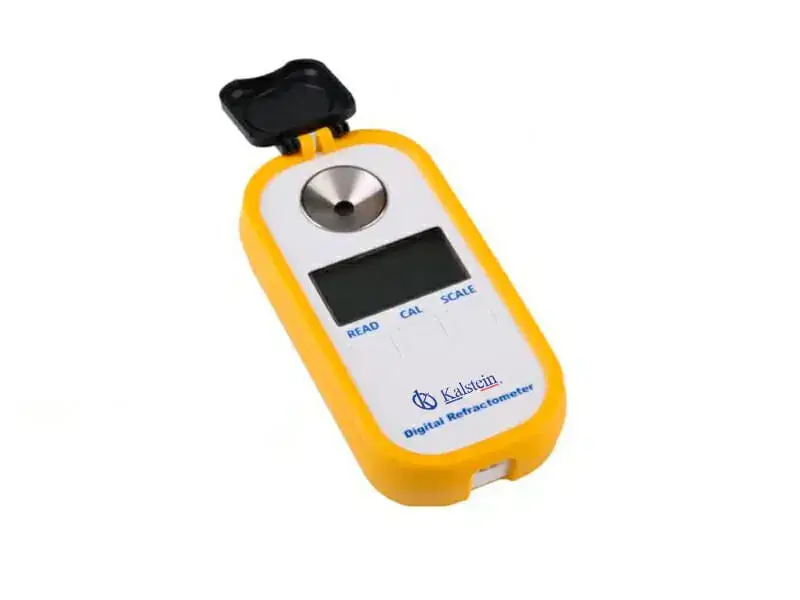
How to Implement Predictive Maintenance and Regular Calibration for Digital BRIX Refractometers
Digital BRIX refractometers are essential tools in precision measurement of sugar concentrations in aqueous solutions. As with any laboratory instrument, ensuring their accuracy through regular calibration and predictive maintenance is critical. This article delves into the benefits and methodologies of these practices specifically for Digital BRIX refractometers, including models such as YR05944, YR05945, and others.
Understanding Predictive Maintenance for Digital BRIX Refractometers
Predictive maintenance integrates data-driven analytics to monitor the condition of Digital BRIX refractometers and predict potential failures. This strategy contrasts with traditional maintenance, which often occurs after failures or on a fixed schedule. By leveraging predictive maintenance, laboratories can reduce downtime and extend equipment life.
For instance, the Digital BRIX Refractometer YR05944 features Automatic Temperature Compensation (ATC) that necessitates monitoring for optimal performance. Regular assessment of the ATC functionality ensures that temperature variations do not compromise measurement accuracy.
Calibration Intervals and Best Practices
Calibration is crucial for maintaining the accuracy of Digital BRIX refractometers. The recommended calibration interval depends on usage frequency and the specific operational conditions. For instance, a laboratory environment that handles high volumes of samples may require more frequent calibration than one with sporadic use.
Regular calibration protocols should involve the use of standard solutions at known sugar concentrations. Each model has specific calibration needs; for instance, YR05946 can measure refractive indices with a range of 1.3330-1.5177 nD, necessitating precise calibration against standards within this range.
Common Calibration Techniques for BRIX Measurement
Common techniques for calibrating Digital BRIX refractometers include:
- Two-Point Calibration: Using two reference points for a more granular accuracy check.
- Single-Point Calibration: Useful for routine checks when the instrument is known to be accurate.
- Standard Solution Method: Employing commercially available sugar solutions for calibration.
Each of these methods ensures the instrument maintains its integrity and produces reliable data.
Key Performance Indicators (KPIs) for Predictive Maintenance
Adopting predictive maintenance strategies requires tracking specific KPIs to measure effectiveness:
- Mean Time Between Failures (MTBF): Indicates the average duration between equipment failures.
- Mean Time to Repair (MTTR): Measures the average time taken to repair an instrument after a failure.
- Calibration Accuracy: The degree to which the refractometer's measurements align with the known standards.
By analyzing these KPIs, laboratories can make informed decisions regarding maintenance schedules and equipment upgrades.
Comparison of Available Models
| Model | Measurement Range | Minimum Division | Precision | ATC | Best Use Case |
|---|---|---|---|---|---|
| YR05944 | Brix: 0.0-50.0% | 0.10% | ±0.2% | Yes | Fruit juices and syrups |
| YR05945 | Brix: 0.0-90.0% | 0.10% | ±0.2% | Yes | Beverages and confectioneries |
| YR05946 | 1.3330-1.5177 nD | 0.0001 nD | ±0.0003 nD | Yes | Laboratory research |
| YR05947 | Dextran: 0.0-10.6% | 0.10% | ±0.2% | Yes | Pharmaceuticals |
| YR05948 | Fructose: 0.0-68.9% | 0.10% | ±0.2% | Yes | Food industry |
| YR05949 | Glucose: 0.0-59.9% | 0.10% | ±0.2% | Yes | Clinical laboratories |
| YR05950 | Lactose: 0.0-1.0% | 0.10% | ±0.2% | Yes | Dairy products |
Common Mistakes and How to Avoid Them
In the pursuit of maintaining Digital BRIX refractometers, laboratories may fall into several common pitfalls:
- Neglecting Calibration: Failing to regularly calibrate can lead to inaccurate readings. Set a schedule based on usage frequency.
- Ignoring Environmental Factors: Temperature fluctuations can impact performance; ensure stable conditions.
- Using Non-standard Solutions: Always utilize certified standard solutions for calibration to ensure accuracy.
Addressing these common mistakes can facilitate a more reliable and effective use of Digital BRIX refractometers.
Frequently Asked Questions
How often should I calibrate my Digital BRIX refractometer for optimal accuracy?
The calibration frequency for models like YR05944 should typically be every month or after significant temperature changes to ensure consistent accuracy in measurements.
What maintenance checks are necessary for my Digital BRIX refractometer?
Regular cleaning and ensuring the integrity of the ATC feature are essential maintenance checks for all models, including YR05945, to maintain performance.
How does predictive maintenance optimize the performance of Digital BRIX refractometers?
Predictive maintenance minimizes unexpected failures by analyzing data trends, thus enhancing the reliability of models like YR05946, ultimately leading to cost savings.
Which Digital BRIX refractometer model is best suited for high sugar concentration liquids?
The YR05945 model is ideal for high sugar content solutions, with a range of 0.0-90.0%, making it suitable for syrups and beverages.
What standards should I follow for calibrating my Digital BRIX refractometer?
Calibration should follow industry-standard protocols, including using certified solutions, particularly for models like YR05948, which is used in the food industry.
How can I ensure that my Digital BRIX refractometer remains compliant with industry standards?
Regular calibration and adherence to maintenance schedules are essential for compliance, especially for sensitive models like YR05949 used in clinical labs.
What is the expected lifespan of Digital BRIX refractometers with proper maintenance?
With proper maintenance, including regular calibration and predictive checks, models like YR05950 can last several years, providing reliable performance throughout their lifespan.
Can I integrate my Digital BRIX refractometer with other laboratory systems?
While most Digital BRIX refractometers, including YR05944, do not have direct integration capabilities, data logging practices can be set up for manual integration with other systems.
If you are looking for a fusion of innovation and quality, you have come to the right place. At Kalstein, we offer you the luxury of exploring our exclusive catalog of laboratory equipment. We manufacture every device to the highest standards of excellence. Our intuitive and seamless online purchasing channels are designed for your convenience, securing the most competitive prices. Hesitate no longer — we bring science to life, it is time to become part of our community.