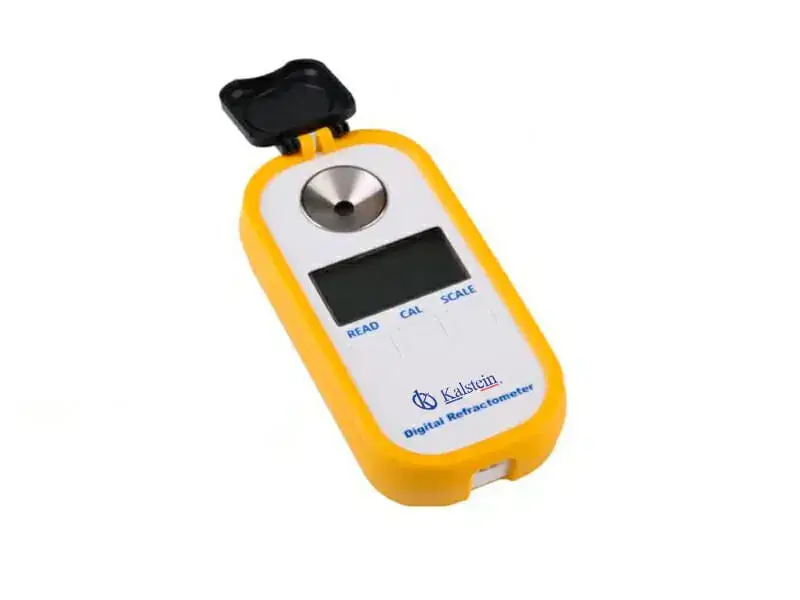
How to Implement Predictive Maintenance and Periodic Calibration for Digital Salinity Refractometers
Digital salinity refractometers are essential tools in various laboratory settings, particularly for those involved in measuring salinity levels in solutions like seawater or sodium chloride. Proper maintenance and calibration of these devices are critical to ensure accuracy and reliability in measurements. This article outlines the importance of predictive maintenance and periodic calibration, focusing on specific models and best practices relevant to laboratory professionals.
Understanding Predictive Maintenance and Periodic Calibration
Predictive maintenance refers to techniques that monitor the condition of a device to predict when maintenance should be performed. This approach helps to minimize downtime, reduce repair costs, and ensure that the refractometers are functioning optimally. Periodic calibration, on the other hand, involves adjusting the device's accuracy over specified intervals to conform to measurement standards. Together, these strategies are vital for maintaining the integrity of data collected from digital salinity refractometers.
Importance of Predictive Maintenance in Laboratory Settings
Implementing predictive maintenance in laboratory environments can significantly enhance the operational efficiency of digital salinity refractometers. By anticipating potential failures and addressing them proactively, laboratories can prevent unexpected breakdowns that disrupt workflow. For instance, consistent data collection can be facilitated through the ongoing monitoring of refractometer performance, ensuring that the devices meet rigorous quality standards.
Periodic Calibration: Ensuring Measurement Accuracy
Calibration is a critical component for maintaining the accuracy of digital salinity refractometers. For example, the Digital BRIX Refractometer YR05953 measures a salinity range of 0.0–28.0% with a precision of ±0.1%. If not calibrated periodically, the readings may drift, leading to inaccurate data that can have significant implications in research and application. Calibration should be performed at regular intervals, typically every 6 to 12 months, depending on the usage frequency and environmental conditions.
Recommended Calibration Procedures
Calibration procedures for digital salinity refractometers often involve the use of standard solutions of known salinity. This process allows for adjustments to be made to the device's readings based on reference values. It is crucial to follow the manufacturer's specifications and use appropriate calibration standards. For instance, the YR05954 model, which measures salinity from 0–280‰, should adhere to a similar calibration routine to maintain its accuracy.
Common Calibration Methods and Best Practices
| Calibration Method | Description | Best For |
|---|---|---|
| Single Point Calibration | Adjusting the refractometer using one standard solution. | Simple applications with stable conditions. |
| Multi-Point Calibration | Using multiple standard solutions to ensure accuracy across a range. | Wide-ranging measurements, such as with YR05957. |
| Temperature Compensation Calibration | Adjusting based on the temperature at which measurements are taken. | Conditions where temperature variations affect results. |
Establishing a Predictive Maintenance Schedule
Establishing a predictive maintenance schedule requires a systematic assessment of the refractometers' operational performance. The schedule should include regular inspections, performance testing, and data logging. For example, frequently used models like the YR05956 should be inspected quarterly, while those with lower usage can follow semi-annual assessments.
Comparison of Available Models
| Model Code | Measurement Range | Min. Division | Precision | ATC |
|---|---|---|---|---|
| YR05953 | 0.0–28.0% | 0.10% | ±0.1% | Yes |
| YR05954 | 0–280‰ | 1‰ | ±1‰ | Yes |
| YR05955 | 1.000-1.217 | 0.001 | ±0.002 | Yes |
| YR05956 | 1.3330–1.3900nD | 0.0001nD | ±0.0003nD | Yes |
| YR05957 | 0–100‰ | 1‰ | ±2‰ | Yes |
| YR05958 | 0–57‰ | 1‰ | ±2‰ | Yes |
Common Mistakes and How to Avoid Them
One of the most common mistakes in maintaining digital salinity refractometers is neglecting periodic calibration. Laboratories may underestimate the importance of calibration, leading to potential inaccuracies in measurements. It is essential to establish a routine that includes regular checks and maintenance to avoid such pitfalls. Additionally, improper handling and storage of refractometers can cause physical damage and affect their performance. Training staff on best practices is crucial.
Frequently Asked Questions
What are the best practices for calibrating digital salinity refractometers?
The best practices for calibrating digital salinity refractometers involve using standard solutions of known salinity, conducting multi-point calibrations, and ensuring temperature compensation, especially for models like YR05954.
How often should digital salinity refractometers be calibrated?
Digital salinity refractometers should ideally be calibrated every 6 to 12 months, depending on usage. For example, high-use models like YR05953 may require more frequent checks to maintain accuracy.
What is predictive maintenance for laboratory equipment?
Predictive maintenance for laboratory equipment entails monitoring performance and predicting failures before they occur. This strategy is essential for digital salinity refractometers to prevent downtime and ensure continuous operation.
Which digital salinity refractometer is best for high salinity measurements?
The YR05954 model is best for high salinity measurements, with a range of 0–280‰ and an accuracy of ±1‰, making it suitable for various laboratory applications.
How can I ensure the accuracy of my salinity measurements?
To ensure accuracy in salinity measurements, regular calibration and predictive maintenance should be implemented, particularly for models like YR05956 that require precise adjustments.
What are common issues with digital salinity refractometers?
Common issues include calibration drift, improper temperature compensation, and physical damage from incorrect handling. Regular maintenance and user training can mitigate these issues effectively.
If you are looking for a fusion of innovation and quality, you have come to the right place. At Kalstein, we offer you the luxury of exploring our exclusive catalog of laboratory equipment. We manufacture every device to the highest standards of excellence. Our intuitive and seamless online purchasing channels are designed for your convenience, securing the most competitive prices. Hesitate no longer — we bring science to life, it is time to become part of our community.