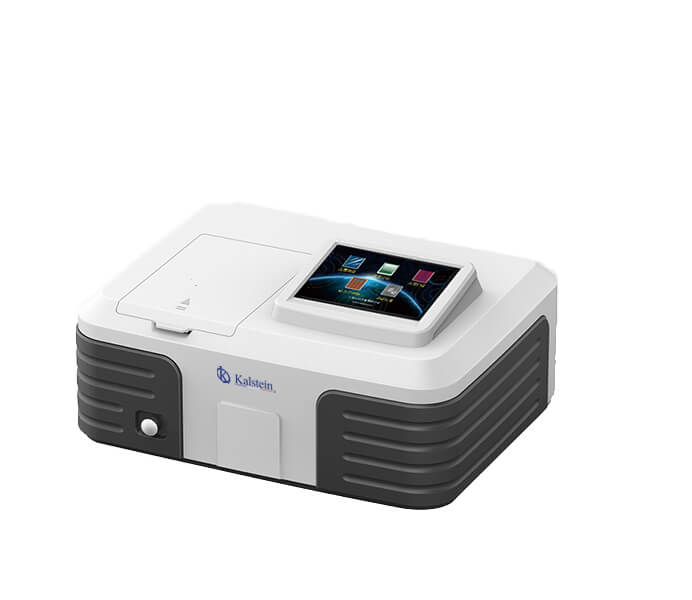
Comparative Analysis of Predictive Maintenance and Calibration for Double Beam Spectrophotometers
In today’s laboratories, maintaining the accuracy and reliability of instruments such as double beam spectrophotometers is crucial. This article delves into the essential aspects of predictive maintenance and the recommended calibration frequency, ensuring optimal performance and longevity of these sophisticated devices.
Understanding Predictive Maintenance in Spectrophotometers
Predictive maintenance is a proactive approach to machinery upkeep that anticipates failures based on data analyses and monitoring. For double beam spectrophotometers, this involves using performance metrics to schedule maintenance before issues arise. This method contrasts sharply with traditional reactive maintenance, which often results in unexpected downtime and costly repairs.
Importance of Predictive Maintenance
Implementing predictive maintenance can significantly enhance the operational efficiency of spectrophotometers. For instance, by regularly analyzing the spectral data, technicians can identify anomalies indicating potential calibration drift or component wear. This preemptive action minimizes disruption and maintains the integrity of laboratory results.
Periodic Calibration Recommendations
Calibration is vital for ensuring the accuracy of measurements in double beam spectrophotometers. Regular calibration helps maintain compliance with industry standards and enhances measurement confidence. The frequency of calibration will depend on various factors, including usage intensity, environmental conditions, and specific laboratory requirements.
Calibration Frequency Recommendations
Generally, it is advisable to calibrate double beam spectrophotometers at least once every six months. However, protocols may necessitate more frequent calibration in high-usage settings or when measurements fluctuate. Implementing a structured calibration schedule can significantly improve measurement reliability.
Comparison of Available Models
| Model | Wavelength Range (nm) | Photometric Accuracy | Recommended Calibration Frequency | Best for |
|---|---|---|---|---|
| YR01858 | 320-1100 | ±0.3% T | Every 6 months | Routine laboratory analyses |
| YR01862 | 190-1100 | ±0.2% T | Every 6-12 months | Advanced research applications |
| YR01862-1 | 190-1100 | ±0.2% T | Every 6 months | High precision requirements |
| YR01862-2 | 190-1100 | ±0.2% T | Every 6 months | Quality control labs |
| YR01864 | 190-1100 | ±0.2% T | Every 12 months | Standard laboratory use |
| YR01865 | 190-1100 | ±0.2% T | Every 12 months | Research and development |
Common Mistakes and How to Avoid Them
Laboratory professionals often make several common mistakes regarding predictive maintenance and calibration of spectrophotometers. One significant error is neglecting the calibration schedule, which can lead to inaccurate results and non-compliance with industry standards. Regular training and adherence to a strict calibration protocol can mitigate these issues.
Lack of Documentation
Failing to document maintenance activities and calibration results can hinder performance tracking. Implementing a comprehensive logging system for calibration and maintenance activities is critical for enhancing reliability.
Frequently Asked Questions
How often should I calibrate a double beam spectrophotometer for precise measurements?
It is generally recommended to calibrate a double beam spectrophotometer like the YR01862 every six months to maintain precise measurements. Frequent calibration ensures compliance with industry standards and optimal performance.
What are the benefits of predictive maintenance for laboratory spectrophotometers?
Predictive maintenance enhances the reliability of laboratory instruments like the YR01858 by identifying potential issues before they lead to failures, thereby improving instrument uptime and measurement accuracy.
Which calibration standards should I follow for double beam spectrophotometers?
Calibration standards such as ISO 17025 should be followed for double beam spectrophotometers to ensure compliance and accuracy. Regular audits and adherence to these standards help maintain measurement integrity.
What is the typical cost of maintaining a double beam spectrophotometer?
The maintenance cost for a double beam spectrophotometer like the YR01864 can vary based on usage but typically includes calibration fees, which average around $300 annually, alongside any necessary repairs.
How can I effectively schedule predictive maintenance in my lab?
Using software to track performance metrics and scheduling maintenance based on usage patterns is essential. For instance, the YR01862 can be monitored for signs of calibration drift to optimize maintenance scheduling.
What are the consequences of not calibrating a double beam spectrophotometer?
Neglecting calibration can lead to inaccurate results, compliance issues, and ultimately impact data integrity. Regular calibration of models like YR01865 helps avoid these issues, ensuring reliable laboratory operations.
Which features should I focus on when selecting a double beam spectrophotometer for research?
For research applications, features such as a wide wavelength range and high photometric accuracy are vital. Models like YR01862-1 offer advanced capabilities suited for rigorous research environments.
How does predictive maintenance improve the lifespan of laboratory equipment?
Predictive maintenance extends the lifespan of laboratory equipment like the YR01864 by preventing wear and tear through timely interventions based on performance data, thereby maintaining consistent accuracy and reliability.
If you are looking for a fusion of innovation and quality, you have come to the right place. At Kalstein, we offer you the luxury of exploring our exclusive catalog of laboratory equipment. We manufacture every device to the highest standards of excellence. Our intuitive and seamless online purchasing channels are designed for your convenience, securing the most competitive prices. Hesitate no longer — we bring science to life, it is time to become part of our community.