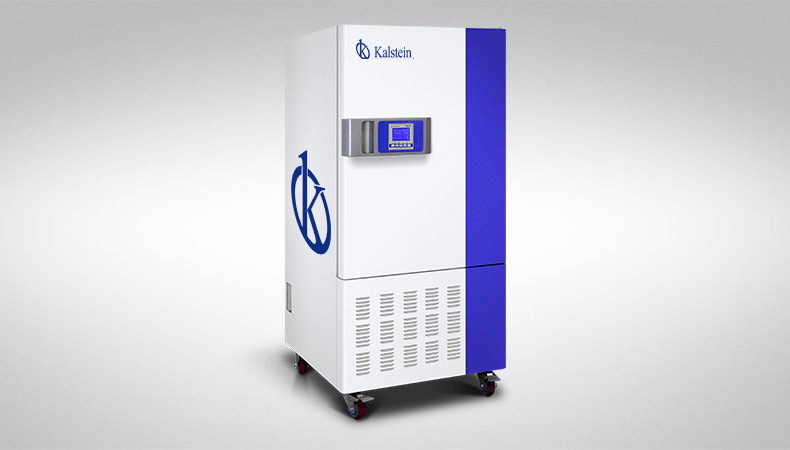
How to Implement Predictive Maintenance and Recommended Calibration for Drug Stability Test Chambers
Drug stability test chambers play a crucial role in the pharmaceutical industry, ensuring that drugs are stored under the appropriate conditions to maintain their efficacy and safety. Implementing predictive maintenance and adhering to a regular calibration schedule are essential for optimizing their performance and ensuring compliance with industry standards. This article delves into the specifics of predictive maintenance and calibration tailored for drug stability test chambers, featuring an in-depth comparison of multiple models while providing critical insights into best practices and common pitfalls.
Understanding Predictive Maintenance and Calibration
Predictive maintenance refers to the proactive approach of monitoring and maintaining equipment to prevent unexpected failures and minimize downtime. In the context of drug stability test chambers, it involves analyzing performance data to anticipate potential issues before they arise. Calibration, on the other hand, is the process of adjusting and verifying the accuracy of the equipment's measurements, essential to ensure compliance with regulatory standards.
Importance of Predictive Maintenance for Drug Stability Test Chambers
Implementing predictive maintenance in drug stability test chambers is critical for preserving the integrity of stored pharmaceuticals. By using advanced monitoring technologies, laboratories can track variables such as temperature and humidity in real-time, identifying trends that indicate potential failures. This approach reduces the likelihood of equipment malfunction and ensures consistent testing conditions, essential for compliance with standards like ISO 17025.
Recommended Calibration Intervals for Drug Stability Test Chambers
Calibration intervals for drug stability test chambers should align with manufacturer guidelines and industry standards. Generally, it is advisable to calibrate equipment every six months to one year, depending on usage and environmental conditions. Regular calibration maintains measurement accuracy, essential for producing reliable test results that comply with regulatory requirements.
Comparison of Available Models
| Model | Calibration Frequency | Temperature Range | Humidity Range | Best For | Price (USD) |
|---|---|---|---|---|---|
| YR05350 | 6 months | 0~60 °C | 50~90% HR | Pharmaceuticals and biotechnology | 2500.00 |
| YR05351 | 6 months | 0~60 °C | 50~90% HR | Biotechnology and food industry | 2940.00 |
| YR05352 | 6 months | 0~60 °C | 50~90% HR | All life sciences related industries | 3900.00 |
Key Features to Consider for Drug Stability Test Chambers
When selecting a drug stability test chamber, several key features must be considered:
- Temperature Control: Look for models with precise temperature control mechanisms to ensure stability.
- Humidity Control: Adequate humidity control is crucial for maintaining drug integrity during testing.
- Data Logging: Choose models that offer data logging capabilities for compliance with regulatory standards.
- Fast Recovery Time: Effectiveness in returning to set conditions after door openings.
Common Mistakes and How to Avoid Them
Laboratories often encounter pitfalls during the maintenance and calibration of drug stability test chambers. Common mistakes include:
- Neglecting regular maintenance schedules, which can lead to equipment failures.
- Inadequate documentation of calibration records, hindering compliance audits.
- Ignoring environmental factors that can influence test results, such as room temperature fluctuations.
To avoid these mistakes, establish strict protocols and training for personnel involved in maintenance and calibration activities.
Best Practices for Calibration and Maintenance
Adhering to best practices for calibration and maintenance can enhance the reliability of drug stability test chambers. Key recommendations include:
- Schedule regular preventive maintenance checks to identify potential issues early.
- Utilize certified calibration services that comply with ISO 17025 standards.
- Implement a comprehensive training program for staff on calibration procedures and maintenance protocols.
Frequently Asked Questions
How often should drug stability test chambers be calibrated to ensure compliance?
Drug stability test chambers should typically be calibrated every six months to one year, depending on their usage and environmental conditions. Models like YR05350, YR05351, and YR05352 adhere to these intervals, ensuring compliance with ISO 17025.
What are the benefits of predictive maintenance for drug stability test chambers?
Predictive maintenance benefits drug stability test chambers by minimizing downtime and preventing unexpected failures. By monitoring equipment performance, labs can address issues before they affect test results, ensuring that models like YR05351 operate efficiently and reliably.
Which calibration standards must be adhered to for drug stability testing?
For drug stability testing, adherence to ISO 17025 is crucial. This standard ensures that testing laboratories maintain high-quality processes. Models such as YR05352 are designed to help labs meet these standards effectively.
How can data logging enhance the performance of drug stability test chambers?
Data logging enhances drug stability test chambers by providing real-time monitoring of temperature and humidity, allowing for better compliance and quality assurance. Models like YR05350 come equipped with advanced data logging features for optimal performance.
What role does temperature and humidity control play in drug stability tests?
Temperature and humidity control are critical in drug stability tests, as fluctuations can lead to inaccurate results. Models like YR05351 maintain precise environmental conditions, ensuring reliable testing outcomes.
What are the consequences of improper calibration on drug stability tests?
Improper calibration can lead to inaccurate testing results, potentially causing pharmaceutical products to be deemed unstable or ineffective. Compliance with standards like ISO 17025 is essential for models such as YR05352 to avoid these risks.
How can a lab ensure effective predictive maintenance for their stability test chambers?
To ensure effective predictive maintenance, labs should implement continuous monitoring of performance metrics and schedule routine inspections. Utilizing models like YR05350 facilitates this proactive approach to maintenance.
What steps should be taken to document calibration procedures for compliance?
Documenting calibration procedures involves keeping detailed records of calibration dates, results, and any adjustments made. This practice is crucial for compliance with ISO 17025, particularly for models such as YR05351.
If you are looking for a fusion of innovation and quality, you have come to the right place. At Kalstein, we offer you the luxury of exploring our exclusive catalog of laboratory equipment. We manufacture every device to the highest standards of excellence. Our intuitive and seamless online purchasing channels are designed for your convenience, securing the most competitive prices. Hesitate no longer — we bring science to life, it is time to become part of our community.