How Predictive Maintenance and Regular Calibration Ensure Drug Stability Testing Accuracy
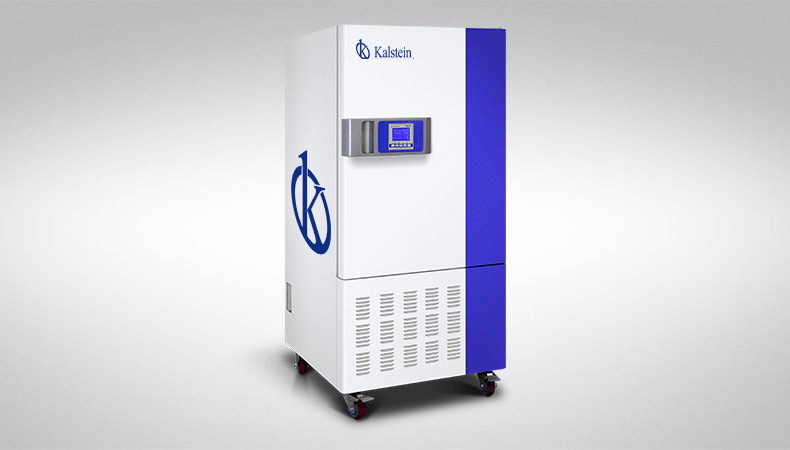
In the pharmaceutical industry, the accuracy and reliability of drug stability testing are paramount. Comprehensive Drug Stability Test Chambers, like the YR05354, YR05355, and YR05356, play a crucial role in ensuring that drugs maintain their efficacy over time by simulating various environmental conditions. Implementing predictive maintenance and regular calibration strategies in these chambers is essential to achieve optimal performance and compliance with industry standards.
Understanding Predictive Maintenance in Drug Stability Testing
Predictive maintenance refers to the proactive approach of anticipating potential failures in laboratory equipment before they occur. This method leverages data analytics and monitoring technologies to assess the condition of the equipment continuously. For example, in drug stability testing, maintaining precise environmental conditions is vital. Tools like temperature and humidity sensors can be installed in chambers like the YR05354 to monitor real-time data, ensuring that any deviations from preset parameters are promptly addressed.
Importance of Regular Calibration in Drug Stability Chambers
Calibration is the process of adjusting the precision of measurement instruments to ensure accurate readings. For comprehensive drug stability test chambers, regular calibration is necessary to maintain the accuracy of environmental conditions such as temperature and humidity. The YR05355, with its microprocessor PID controller, requires routine calibration checks to confirm that it remains within the specified accuracy range of ±0.1℃ for temperature. Timely calibration can mitigate risks associated with prolonged inaccuracies that may lead to failed stability tests.
Comparison of Available Models
| Model Code | Temperature Range (℃) | Humidity Range | Price (USD) | Best For |
|---|---|---|---|---|
| YR05354 | 10~65 (with light) / 0~60 (without light) | 50~90% RH | 2940.00 | Long-term stability testing |
| YR05355 | 10~65 (with light) / 0~60 (without light) | 50~90% RH | 3500.00 | Accelerated stability testing |
| YR05356 | 10~65 (with light) / 0~60 (without light) | 50~90% RH | 4910.00 | High humidity and light exposure testing |
Common Mistakes and How to Avoid Them
Laboratories often face challenges in maintaining the integrity of their drug stability testing processes. Common mistakes include neglecting regular maintenance and calibration schedules, leading to inaccurate results. Additionally, using improper calibration standards can compromise the reliability of the tests conducted in chambers like the YR05356. To avoid these pitfalls, laboratories should implement a robust maintenance schedule and utilize traceable calibration standards. Keeping detailed records of maintenance activities and calibration results is also essential for compliance and quality assurance.
Predictive Maintenance Strategies for Drug Stability Chambers
To effectively implement predictive maintenance, laboratories should consider several strategies, including condition-based monitoring, data analysis, and scheduled inspections. Utilizing software that can analyze historical performance data of models like the YR05355 can help identify trends and predict potential failures. Additionally, incorporating regular inspections into the maintenance schedule ensures that all components remain in optimal working condition and can address minor issues before they escalate.
Calibration Intervals for Optimal Performance
Calibration intervals can vary based on usage and environmental factors. For comprehensive drug stability test chambers, a common practice is to calibrate every six months. However, chambers that are heavily utilized for sensitive experiments may require more frequent calibration. A suggested calibration schedule for models such as YR05354 can be developed based on manufacturer guidelines and laboratory needs, ensuring accuracy and compliance with industry standards.
Technologies Supporting Predictive Maintenance
Emerging technologies, such as IoT devices, play a critical role in predictive maintenance. By integrating smart sensors into drug stability chambers, laboratories can gather real-time data on environmental conditions and equipment performance. This data can be analyzed to predict maintenance needs and optimize the calibration process. For instance, a smart monitoring system in the YR05356 could alert technicians when temperature or humidity deviates from acceptable ranges, prompting immediate corrective actions.
Frequently Asked Questions
What are the calibration requirements for a comprehensive drug stability test chamber?
The calibration requirements for a comprehensive drug stability test chamber, such as the YR05355, typically include ensuring that temperature readings remain accurate within ±0.1℃ and humidity levels are consistent within a range of ±3% RH. Regular checks and traceable standards are essential for maintaining compliance.
How does predictive maintenance improve drug stability testing efficiency?
Predictive maintenance enhances drug stability testing efficiency by reducing unexpected equipment failures. For instance, monitoring the YR05356 can help identify issues before they lead to downtime, ensuring continuous compliance with testing protocols and minimizing disruptions.
What factors should I consider for the calibration schedule of stability chambers?
Factors to consider for the calibration schedule include the frequency of use, sensitivity of the tests, and manufacturer recommendations. For example, the YR05354 may require calibrations every six months, but high-usage scenarios may demand more frequent checks to maintain accuracy.
Why is regular maintenance important for drug stability testing chambers?
Regular maintenance is vital for ensuring the longevity and accuracy of drug stability testing chambers like the YR05355. Routine checks prevent equipment wear, maintain environmental conditions, and ensure compliance with regulatory standards, ultimately safeguarding test results.
How can laboratories ensure compliance with industry standards for drug stability testing?
Laboratories can ensure compliance by implementing strict maintenance and calibration protocols, utilizing models like YR05356 that meet industry standards, and maintaining detailed documentation of testing procedures, calibrations, and maintenance activities.
What are the benefits of automated monitoring in drug stability testing?
Automated monitoring in drug stability testing, particularly in models like the YR05354, allows for real-time data collection and analysis. This technology can alert personnel to deviations in temperature or humidity, ensuring swift action is taken to maintain test integrity.
Which model is best for high humidity drug stability testing?
The YR05356 is particularly well-suited for high humidity drug stability testing, offering precise humidity control within a range of 50-90% RH. Its design is optimized for long-term and accelerated stability tests under varied environmental conditions.
How do predictive maintenance practices affect laboratory costs?
Predictive maintenance practices can significantly reduce laboratory costs by minimizing unexpected equipment failures and extending the lifespan of devices. By regularly monitoring models like the YR05355, labs can ensure optimal functioning and avoid costly replacements or repairs.
If you are looking for a fusion of innovation and quality, you have come to the right place. At Kalstein, we offer you the luxury of exploring our exclusive catalog of laboratory equipment. We manufacture every device to the highest standards of excellence. Our intuitive and seamless online purchasing channels are designed for your convenience, securing the most competitive prices. Hesitate no longer — we bring science to life, it is time to become part of our community.