How to Implement Predictive Maintenance and Periodic Calibration for Drying Ovens
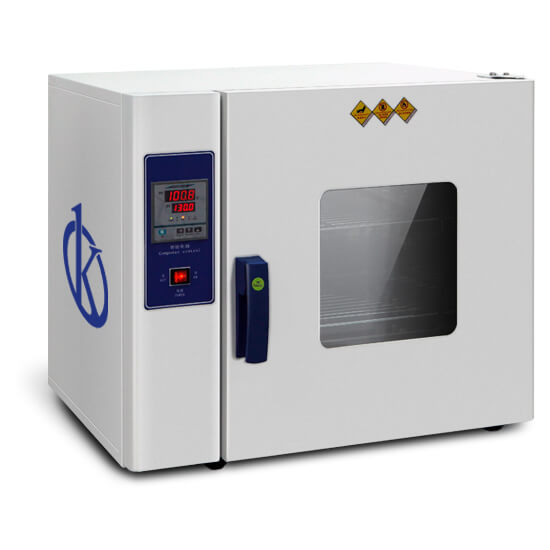
In modern laboratories, maintaining precision equipment like drying ovens is vital for ensuring optimal performance and accuracy in experimental results. Predictive maintenance and regular calibration significantly enhance the reliability of drying ovens, such as the Electric Heating Drying Stoves YR05244, YR05245, YR05246, YR05247, YR05248, and YR05249. This article delves into effective strategies for implementing predictive maintenance and maintaining calibration standards.
Understanding Predictive Maintenance for Drying Ovens
Predictive maintenance utilizes data-driven approaches to anticipate equipment failures before they occur. In the context of drying ovens, this involves monitoring the operational performance and environmental conditions that affect functionality. By utilizing temperature sensors, humidity probes, and runtime analytics, laboratories can schedule maintenance proactively. This reduces unplanned downtimes and ensures consistent performance levels, especially in processes requiring precise temperature control.
Importance of Periodic Calibration
Calibration is essential for ensuring that drying ovens operate within specified limits of accuracy. Regular calibration checks help identify drift in temperature readings, which can lead to inconsistent results. Maintenance of calibration standards can be achieved through procedures outlined in ISO 17025, ensuring compliance with quality management systems for testing and calibration laboratories.
Calibration Protocols for Drying Ovens
Accurate calibration protocols involve specific steps tailored to each model of drying oven. For instance, the Electric Heating Drying Stove YR05244 features precise LED temperature controls that should be checked against a calibrated standard thermometer. Calibration should occur at predefined intervals, ideally every 6 to 12 months, depending on the usage frequency and application. A detailed calibration schedule may look like this:
| Model | Calibration Frequency (Months) | Accuracy Check Temperature (°C) | Standard Used |
|---|---|---|---|
| YR05244 | 12 | 250 | ISO 17025 |
| YR05245 | 12 | 250 | ISO 17025 |
| YR05246 | 6 | 250 | ISO 17025 |
| YR05247 | 6 | 250 | ISO 17025 |
| YR05248 | 6 | 250 | ISO 17025 |
| YR05249 | 6 | 250 | ISO 17025 |
Common Sources of Error in Drying Ovens
Errors in drying ovens can arise from various factors, including improper calibration, environmental changes, or equipment wear. Common mistakes include failing to adjust for ambient temperature variations, neglecting regular calibration, and using worn-out components that affect heating elements. Implementing a comprehensive maintenance schedule can help mitigate these issues and ensure reliable results.
Best Practices for Predictive Maintenance
To effectively utilize predictive maintenance in drying ovens, follow these best practices: monitor baseline performance metrics, maintain detailed logs of temperature and humidity readings, and perform regular inspections of heating elements and sensors. Tools such as IoT-based sensors can enhance monitoring capabilities by providing real-time data that can inform when maintenance is needed.
Compliance with Standards and Regulations
Adhering to established standards such as ISO 17025 is crucial for any laboratory operation. This compliance ensures that drying ovens meet necessary safety and performance criteria, which is essential for laboratories engaging in research or production. Regular audits and maintaining documentation of calibration results are key components of this compliance.
Comparison of Available Models
| Model | Temperature Range (°C) | Power (kW) | Best For |
|---|---|---|---|
| YR05244 | RT + 5 to 250 | 1 | High uniformity temperature requirements |
| YR05245 | RT + 5 to 250 | 1 | Advanced sterilization processes |
| YR05246 | RT + 5 to 250 | 1 | Routine laboratory drying |
| YR05247 | RT + 5 to 250 | 1 | Thermal treatment applications |
| YR05248 | RT + 5 to 250 | 1 | Routine laboratory use |
| YR05249 | RT + 5 to 250 | 1 | Biological and agricultural studies |
Frequently Asked Questions
How can predictive maintenance improve the performance of drying ovens in laboratories?
Predictive maintenance enhances laboratory drying ovens such as the YR05244 by using data analytics to predict failures before they occur, ensuring consistent temperature control and reducing downtime.
What are the recommended calibration intervals for drying ovens used in compliance testing?
Drying ovens like the YR05246 should be calibrated every 6 months to ensure compliance with ISO 17025 standards, ensuring accuracy in temperature measurements.
How do I choose the best drying oven for routine laboratory applications?
For routine laboratory applications, the Electric Heating Drying Stove YR05248 offers reliable performance with a temperature range of RT + 5 to 250 °C, suitable for various drying needs.
What are common calibration practices for drying ovens in laboratories?
Common calibration practices include regular interval checks, using certified thermometers for accuracy, and following protocols outlined in ISO 17025 to maintain compliance.
How does humidity affect the performance of drying ovens?
Humidity can significantly impact the performance of drying ovens by affecting drying efficiency and temperature stability; models like YR05245 are designed to mitigate these effects through advanced control systems.
What are the consequences of failing to calibrate drying ovens regularly?
Failing to calibrate drying ovens such as the YR05247 can lead to inaccurate temperature readings, resulting in compromised experiments and potential regulatory non-compliance.
How can I ensure my drying oven remains compliant with laboratory standards?
To ensure compliance, regularly calibrate your drying oven, maintain detailed records of all maintenance activities, and adhere to relevant standards such as ISO 17025.
What are the economic benefits of investing in high-quality drying ovens for labs?
Investing in high-quality drying ovens like the YR05249 can lead to lower operational costs and reduced downtime, ultimately increasing laboratory efficiency and output.
If you are looking for a fusion of innovation and quality, you have come to the right place. At Kalstein, we offer you the luxury of exploring our exclusive catalog of laboratory equipment. We manufacture every device to the highest standards of excellence. Our intuitive and seamless online purchasing channels are designed for your convenience, securing the most competitive prices. Hesitate no longer — we bring science to life, it is time to become part of our community.