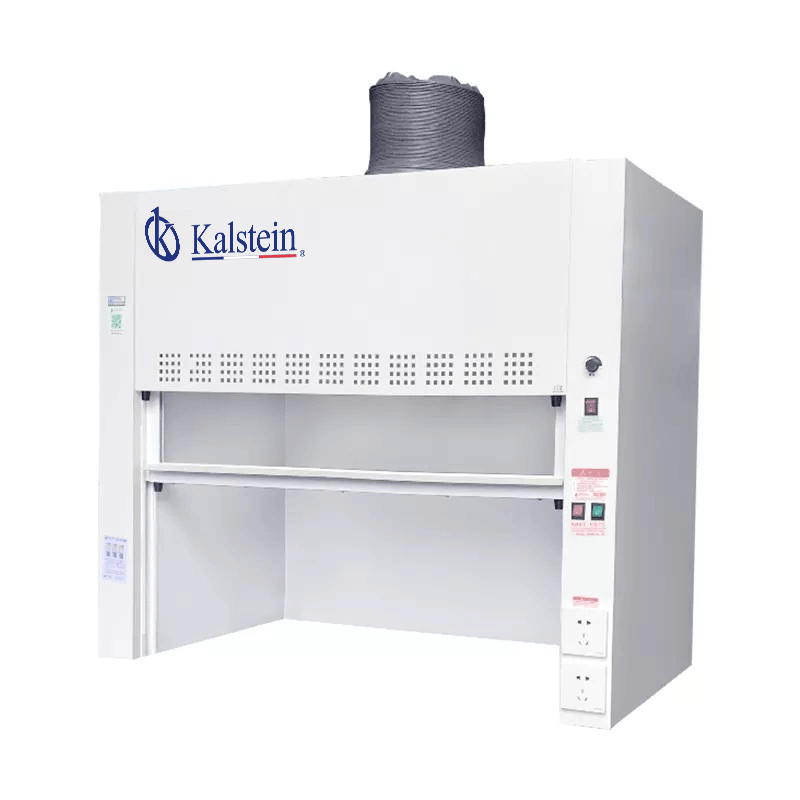
How to Ensure Predictive Maintenance and Periodic Calibration for Fume Hood Cabinets
In laboratory environments, fume hood cabinets are critical for ensuring safety and compliance with health regulations. For laboratory professionals, the focus on predictive maintenance and periodic calibration is essential to prolong equipment life, ensure operational safety, and maintain compliance with relevant standards. This article addresses how to implement effective maintenance strategies for fume hood cabinets, ensuring they meet operational requirements while enhancing user safety.
Understanding Predictive Maintenance in Fume Hood Cabinets
Predictive maintenance involves using data-driven insights to anticipate equipment failures before they occur. For fume hood cabinets, this can include monitoring airflow, recognizing unusual noises, or checking for structural integrity. Implementing predictive maintenance strategies not only minimizes downtime but also saves costs associated with emergency repairs. Regular inspections and the use of diagnostic tools are crucial aspects of this maintenance approach, ensuring that any deviations from the norm are addressed promptly.
Importance of Periodic Calibration for Fume Hood Performance
Calibration ensures that fume hoods operate within specific parameters, thus maintaining their efficacy in providing a safe working environment. Regular calibration checks help verify that airflow rates are within acceptable limits, which is critical for containment of hazardous fumes. Calibration should follow established guidelines to ensure compliance with standards such as ISO 17025, which governs testing and calibration laboratories. This not only enhances safety but also supports regulatory compliance, which is vital in laboratory settings.
Key Features of Leading Fume Hood Models
Various models of fume hood cabinets provide distinct features tailored to laboratory needs. For instance:
- YR05808: Known for its robust design, it includes a built-in axial fan for adjustable airflow and integrated LED lighting.
- YR05809: Offers similar features as YR05808, with added benefits for larger labs needing more workspace.
- YR05810: This model adds improved airflow performance, making it ideal for heavy-use environments.
- YR05811: Features enhanced structural integrity, making it well-suited for high-demand applications.
- YR05812: A larger model that can accommodate various laboratory activities effectively.
- YR05813: Offers additional height, which is useful for larger experiments and equipment setups.
Comparison of Available Models
| Model | External Dimensions (mm) | Internal Dimensions (mm) | Price (USD) | Best For |
|---|---|---|---|---|
| YR05808 | 650 x 650 x 1000 | 450 x 600 x 750 | 390.00 | Small labs requiring basic fume extraction. |
| YR05809 | 800 x 650 x 1000 | 600 x 600 x 750 | 420.00 | Medium labs needing more workspace. |
| YR05810 | 1000 x 650 x 1000 | 800 x 600 x 750 | 470.00 | Heavy-use labs with higher airflow needs. |
| YR05811 | 1000 x 650 x 1000 | 800 x 600 x 750 | 508.00 | High-demand labs needing durable construction. |
| YR05812 | 1500 x 650 x 1000 | 1300 x 600 x 750 | 526.00 | Large labs with diverse applications. |
| YR05813 | 800 x 650 x 1900 | 600 x 600 x 750 | 610.00 | Labs requiring extra height for larger setups. |
Common Mistakes and How to Avoid Them
Many laboratories overlook the need for regular maintenance and calibration of fume hood cabinets. Some common mistakes include:
- Neglecting airflow inspections can lead to hazardous conditions; implement routine checks.
- Failing to follow calibration schedules can result in non-compliance with safety standards; set reminders for regular calibration.
- Using outdated equipment without checking performance can compromise safety; replace models that show signs of wear.
Implementing a Calibration Schedule
Establishing a comprehensive calibration schedule for fume hood cabinets is essential. This should be based on usage frequency and environmental conditions. A typical schedule may include:
| Calibration Frequency | Recommended Actions |
|---|---|
| Monthly | Check airflow rates; clean filters and fan components. |
| Quarterly | Conduct full performance tests; verify calibration against standards. |
| Annually | Full inspection of structural integrity; replace worn-out components. |
Frequently Asked Questions
How often should fume hood cabinets be calibrated for safety compliance?
Fume hood cabinets should ideally be calibrated at least annually to ensure compliance with safety standards such as ISO 17025. Models like YR05810 help maintain optimal performance when properly calibrated and maintained.
What are the signs that a fume hood cabinet requires maintenance?
Signs include unusual noises, fluctuations in airflow, and visible wear or damage. Regular checks for models like YR05809 can help identify these issues early, ensuring safe operation.
Which calibration standards are relevant for fume hood cabinets in laboratories?
ISO 17025 is a key standard for calibration in laboratories. Ensuring compliance in models like YR05812 enhances safety and operational efficiency during laboratory tasks.
How does predictive maintenance improve the lifespan of fume hoods?
By using predictive maintenance strategies such as regular inspections and data analysis, the lifespan of fume hoods like YR05811 can be significantly increased by preventing unforeseen failures.
What is the impact of improper maintenance on laboratory safety?
Improper maintenance can lead to hazardous conditions, such as reduced airflow, which compromises safety. Regular maintenance of models like YR05808 is essential to mitigate these risks.
Can I perform independent calibration on my fume hood cabinet?
While some basic checks can be performed independently, it is advisable to have professional calibration to meet standards like ISO 17025 for models such as YR05813.
What types of environments require more frequent fume hood maintenance?
Environments using corrosive or hazardous chemicals, such as industrial labs, require more frequent maintenance. For instance, models like YR05810 are specifically designed for demanding conditions.
How can I ensure my fume hood complies with health regulations?
Regular calibration and maintenance in accordance with standards like ISO 17025 are vital for compliance. Utilizing models such as YR05812 helps maintain necessary performance levels.
If you are looking for a fusion of innovation and quality, you have come to the right place. At Kalstein, we offer you the luxury of exploring our exclusive catalog of laboratory equipment. We manufacture every device to the highest standards of excellence. Our intuitive and seamless online purchasing channels are designed for your convenience, securing the most competitive prices. Hesitate no longer — we bring science to life, it is time to become part of our community.