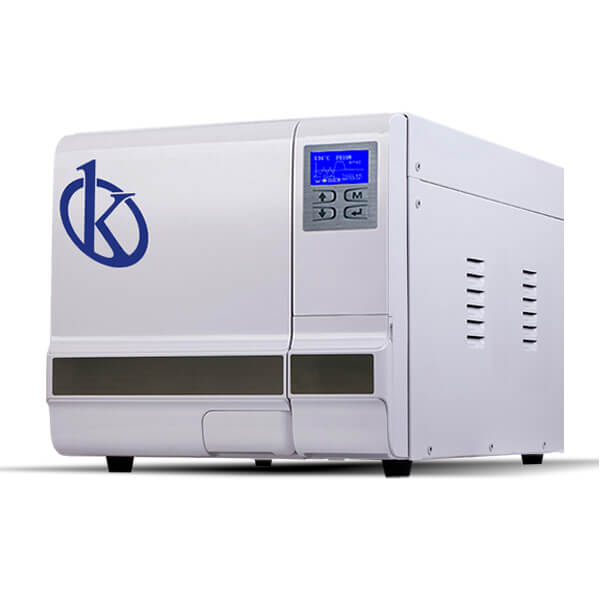
How to Ensure Predictive Maintenance and Periodic Calibration of Horizontal Autoclaves?
In laboratory settings, the reliability and efficiency of horizontal autoclaves are paramount. With their critical role in sterilization processes, ensuring predictive maintenance and periodic calibration is essential for compliance and operational excellence. This article delves into the significance of these practices, comparing various models to provide insights for laboratory professionals seeking to optimize their autoclave usage.
Understanding Predictive Maintenance for Horizontal Autoclaves
Predictive maintenance involves utilizing data and analytics to predict equipment failures before they occur, enabling timely interventions. This approach is especially important for horizontal autoclaves, where consistent performance is crucial to meet sterilization standards. By understanding the common failure modes in autoclaves, laboratories can implement strategies to minimize downtime and enhance productivity.
Key aspects of predictive maintenance include:
- Monitoring usage patterns: Tracking how often the autoclave is used helps forecast maintenance needs.
- Regular inspections: Conducting routine checks on critical components such as pressure gauges and seals can uncover potential issues early.
- Data analytics: Using software solutions to analyze operational data helps predict when maintenance is necessary, thus preventing unplanned downtimes.
Calibration Intervals and Standards
Periodic calibration is essential for ensuring that autoclaves operate within specified parameters. Calibration intervals should be based on manufacturer recommendations and laboratory standards, such as ISO 13485, which outlines requirements for medical device quality management systems.
For horizontal autoclaves, calibration involves verifying and adjusting the pressure, temperature, and time controls. Adherence to standards ensures that sterilization processes are effective and compliant. The recommended calibration frequency often varies, but a general rule is every 6 months or after significant maintenance activities. Additionally, maintaining records of calibration results is essential for audits and continuous quality improvement.
Comparison of Available Models
| Model | Chamber Volume | Power (W) | Best For | Price (USD) |
|---|---|---|---|---|
| YR03387 | 8 L | 1750 | Small labs and clinics | 750.00 |
| YR03388 | 12 L | 1750 | Beauty salons | 835.00 |
| YR03389 | 18 L | 1750 | Veterinary offices | 900.00 |
| YR03390 | 23 L | 1750 | Research labs | 1000.00 |
| YR03385C | 29 L | 2300 | Medium-sized labs | 2350.00 |
| YR03385B | 45 L | 3800 | High-throughput settings | 2800.00 |
Common Mistakes and How to Avoid Them
Laboratories may encounter several pitfalls regarding the maintenance and calibration of horizontal autoclaves.
- Ignoring manufacturer guidelines: Always follow the manufacturer's maintenance schedule to avoid premature wear and failures.
- Neglecting data logging: Regularly recording performance data can highlight trends that indicate when maintenance is needed.
- Overlooking compliance requirements: Ensuring all calibrations meet relevant standards is crucial for ISO compliance.
Maximizing Efficiency Through Predictive Maintenance
Implementing predictive maintenance strategies can significantly enhance the efficiency of horizontal autoclaves. For example, laboratories can utilize IoT devices to monitor real-time performance metrics and receive alerts for potential issues.
Furthermore, leveraging historical data can lead to optimized maintenance schedules. By analyzing downtime and performance degradation patterns, labs can establish maintenance protocols tailored to their operational needs.
Data-Driven Decision Making in Calibration
Using data to inform calibration decisions is becoming increasingly prevalent in laboratory settings. For instance, laboratories can utilize statistical process control (SPC) charts to evaluate the performance of their autoclaves over time.
By comparing current data against historical performance, laboratories can make informed decisions about when to recalibrate their equipment. This data-driven approach not only enhances compliance but also contributes to overall efficiency.
Frequently Asked Questions
What are the best practices for calibrating horizontal autoclaves annually?
Best practices for calibrating horizontal autoclaves include adhering to ISO 13485 standards, ensuring traceable calibration methods, and documenting results. Models like YR03389 offer robust performance and can be calibrated every 6 months for optimal compliance.
How can predictive maintenance reduce downtime for horizontal autoclaves?
Predictive maintenance can significantly reduce downtime by employing analytics to forecast equipment failures. For example, using real-time monitoring on models like YR03390 allows labs to schedule maintenance before a failure occurs, maintaining operational efficiency.
Which horizontal autoclave model is most suitable for small labs?
The Class B Table Autoclave YR03387 is ideal for small labs, providing an 8-liter chamber volume and a capacity for 3 trays. Its compact design and reliability make it perfect for smaller business setups.
What regulatory compliance must horizontal autoclaves meet?
Horizontal autoclaves must comply with standards like ISO 13485 for quality management in medical devices. Models such as YR03388 are designed to meet these standards, ensuring effective sterilization and operational safety in labs.
How often should a horizontal autoclave be calibrated for optimal performance?
It is recommended that horizontal autoclaves be calibrated every 6 months to maintain optimal performance and compliance with standards like ISO 13485. Regular checks ensure accurate temperature and pressure settings for models like YR03385C.
What challenges do laboratories face in maintaining horizontal autoclaves?
Laboratories may face challenges such as inadequate maintenance schedules, lack of data-driven insights, and failure to comply with regulatory standards. Implementing predictive maintenance can address these issues effectively.
How does proper calibration impact sterilization results in labs?
Proper calibration directly impacts the effectiveness of sterilization by ensuring that the autoclave operates within its specified temperature and pressure ranges. Models like YR03390 help maintain these standards, which is crucial for compliance.
What is the cost of ownership for maintaining a horizontal autoclave?
The cost of ownership for maintaining a horizontal autoclave includes regular maintenance, calibration, and repairs. For instance, the Class B Table Autoclave YR03387, priced at $750, requires periodic servicing to ensure compliance and optimal performance.
If you are looking for a fusion of innovation and quality, you have come to the right place. At Kalstein, we offer you the luxury of exploring our exclusive catalog of laboratory equipment. We manufacture every device to the highest standards of excellence. Our intuitive and seamless online purchasing channels are designed for your convenience, securing the most competitive prices. Hesitate no longer — we bring science to life, it is time to become part of our community.