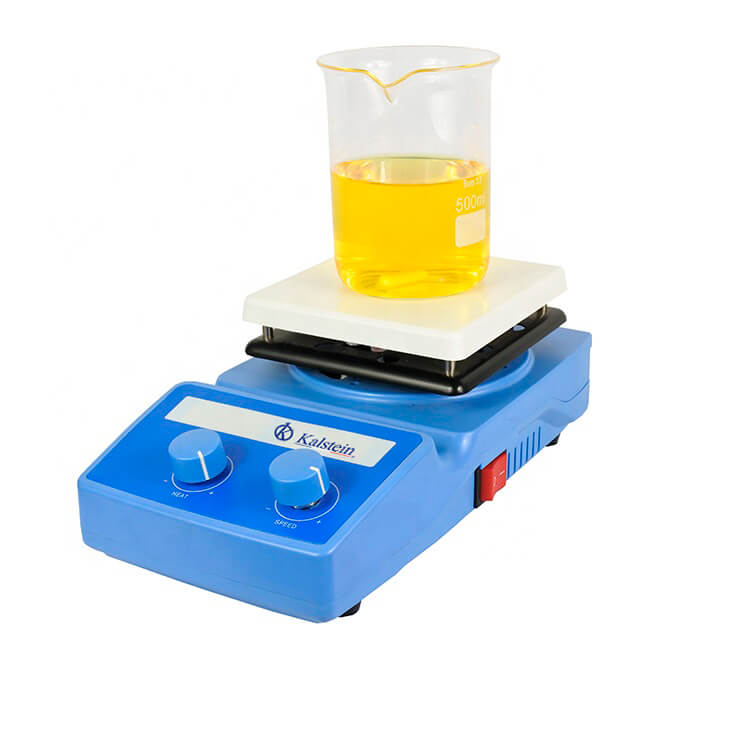
How to Ensure Predictive Maintenance and Recommended Calibration for Hotplate Stirrer Models?
In laboratory settings, the reliability of equipment such as hotplate stirrers is crucial for maintaining efficiency and accuracy. This article focuses on the importance of predictive maintenance and recommended calibration for analog ceramic top hotplate stirrers, especially the models YR02933, YR02934, YR02935, and YR02936. By understanding the maintenance requirements and calibration protocols, laboratory professionals can optimize performance and minimize downtime.
Understanding Predictive Maintenance for Hotplate Stirrers
Predictive maintenance involves the use of techniques to determine the condition of equipment and its performance to predict when maintenance should be performed. This approach minimizes unexpected equipment failures and extends the lifespan of hotplate stirrers. For hotplate stirrers, predictive maintenance includes regular performance checks, monitoring of temperature variability, and analyzing wear on components to schedule timely maintenance actions.
Calibration and Its Importance in Laboratory Equipment
Calibration ensures that laboratory equipment operates within defined parameters and meets regulatory standards. For hotplate stirrers, accurate temperature control is essential for reliable experimental outcomes. Regular calibration helps maintain the precision of the hotplate's temperature settings, ensuring experiments produce valid results. This section will explore the recommended calibration intervals and procedures for effective maintenance.
Comparison of Available Models
| Model | Specifications | Best Use Case |
|---|---|---|
| YR02933 | Weight: Not specified, Dimensions: Not specified, Price: $125.00 | Entry-level applications requiring basic stirring capabilities. |
| YR02934 | Work Area: 180x180 mm, Temperature Range: Ambient to 380 °C, Price: $152.00 | General laboratory stirring processes, suitable for small containers. |
| YR02935 | Heating Power: 750 W, Plate Size: 230 x 230 mm, Price: $190.00 | Mixing larger volumes up to 10L, ideal for chemistry and biochemistry labs. |
| YR02936 | Heating Range: Ambient to 400 °C, Price: $265.00 | High-temperature applications with a maximum accuracy of ±5 °C. |
Common Mistakes and How to Avoid Them
Laboratory personnel often overlook key aspects of maintenance and calibration, such as not adhering to the recommended calibration schedule or failing to document maintenance actions. These oversights can lead to inaccurate results and equipment failures. To avoid these mistakes, establish a routine maintenance schedule, use calibration standards, and maintain proper records of all maintenance activities for each hotplate stirrer model.
Key Performance Indicators for Predictive Maintenance
Establishing key performance indicators (KPIs) for predictive maintenance can help laboratories evaluate the effectiveness of their maintenance programs. Important KPIs include Mean Time Between Failures (MTBF) and Mean Time to Repair (MTTR). For instance, analyzing the MTBF for a hotplate stirrer like the YR02935 can provide insights into its reliability and help inform necessary maintenance actions based on usage patterns.
Calibration Schedule and Protocol
Creating a calibration schedule is crucial for ensuring the reliable operation of hotplate stirrers. A recommended protocol includes calibrating the stirrer before its first use, following major repairs, or after any incident that could impact performance. Also, regular calibration (at least once a year) is advisable to maintain compliance with laboratory standards and ensure accurate temperature settings for models like YR02936.
Benefits of Predictive Maintenance in Laboratory Settings
Implementing predictive maintenance for hotplate stirrers can lead to numerous benefits, including reduced downtime, lower repair costs, and extended equipment life. By predicting when maintenance is required, laboratories can schedule repairs during off-peak hours and maintain seamless workflow. For instance, predictive maintenance on model YR02934 can help avoid unexpected breakdowns during critical experiments.
Frequently Asked Questions
What is the recommended calibration frequency for hotplate stirrers in laboratories?
The recommended calibration frequency for hotplate stirrers, like model YR02935, is at least once a year or after any significant maintenance. This ensures the equipment operates accurately within the specified temperature range, enhancing experimental reliability.
How does predictive maintenance improve the lifespan of hotplate stirrers?
Predictive maintenance, when applied to hotplate stirrers such as YR02936, allows for timely troubleshooting and maintenance, which can significantly extend equipment lifespan by preventing wear and reducing unexpected failures.
Which calibration standards should be used for hotplate stirrers?
Laboratories should use traceable standards such as ASTM E2877 for calibrating hotplate stirrers like YR02934 to ensure compliance with industry regulations and maintain accuracy in temperature settings.
How can I implement a predictive maintenance program for my hotplate stirrers?
To implement a predictive maintenance program for models like YR02933, conduct regular performance assessments, monitor key metrics, and schedule maintenance based on data analysis to ensure optimal operation and reliability.
What are the consequences of neglecting hotplate stirrer calibration?
Neglecting calibration of hotplate stirrers, such as YR02936, can lead to inaccurate temperature readings, which may compromise experimental results and increase the risk of equipment failure, affecting laboratory productivity.
How can I integrate predictive maintenance into my laboratory management system?
Integrating predictive maintenance for hotplate stirrers like YR02935 into your laboratory management system involves establishing data collection points, setting up monitoring protocols, and using analytics software to predict maintenance needs based on historical performance data.
What types of data should be monitored for predictive maintenance?
Key data to monitor for predictive maintenance of hotplate stirrers, such as YR02934, includes temperature stability, operational hours, and any irregular performance metrics that can indicate potential issues that need to be addressed.
How do environmental factors affect hotplate stirrer performance?
Environmental factors such as room temperature and humidity can impact the performance of hotplate stirrers like YR02936. Regular monitoring and calibration adjustments can help mitigate these effects on experimental outcomes.
If you are looking for a fusion of innovation and quality, you have come to the right place. At Kalstein, we offer you the luxury of exploring our exclusive catalog of laboratory equipment. We manufacture every device to the highest standards of excellence. Our intuitive and seamless online purchasing channels are designed for your convenience, securing the most competitive prices. Hesitate no longer — we bring science to life, it is time to become part of our community.