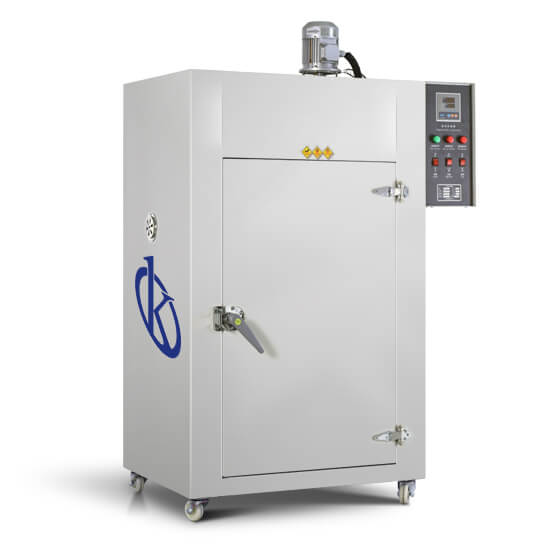
Predictive Maintenance and Recommended Calibration for Industrial Ovens
Industrial ovens are critical in various applications, including drying, curing, and thermal processing. Ensuring their optimal performance through predictive maintenance and regular calibration is essential for maximizing efficiency and meeting regulatory standards.
Understanding Predictive Maintenance in Industrial Ovens
Predictive maintenance involves monitoring the performance and condition of equipment to predict failures before they occur. For industrial ovens, this means tracking parameters such as temperature stability, heating times, and energy consumption. By implementing predictive maintenance, operators can prevent unplanned downtimes and extend the lifespan of their ovens.
Importance of Regular Calibration
Calibration ensures that industrial ovens operate within specified parameters, maintaining accuracy and reliability. Regular calibration helps in adhering to industry standards and improving product quality. It's vital to follow a calibration schedule based on usage frequency and manufacturer recommendations.
Key Calibration Standards for Industrial Ovens
Several standards guide the calibration of industrial ovens, including ISO 17025. Compliance with these standards ensures that the calibration process meets national and international requirements. It encompasses various aspects like traceability of measurements and proper documentation.
Calibration Frequency and Procedures
The frequency of calibration depends on several factors, including how often the oven is used and the criticality of the processes involved. Typically, a calibration schedule should be established based on a risk assessment. Procedures should include comprehensive checks on temperature accuracy using certified standards.
Failure Modes in Industrial Ovens
Understanding potential failure modes is crucial for implementing effective predictive maintenance. Common failure modes include sensor failures, heating element malfunctions, and airflow issues. Regular inspections and diagnostics can help identify these problems early, reducing maintenance costs.
Key Performance Indicators (KPIs) for Predictive Maintenance
Establishing KPIs for predictive maintenance is essential for evaluating performance over time. Key indicators include Mean Time Between Failures (MTBF) and Mean Time to Repair (MTTR). Tracking these metrics helps in assessing the effectiveness of maintenance strategies.
Comparison of Available Models
| Model | Temperature Accuracy (℃) | Power (kW) | Internal Size (mm) | Recommended Use | Price (USD) |
|---|---|---|---|---|---|
| YR05256-A | ±1 | 4-6 | 1000×600×500 | Ideal for industrial applications with continuous operation | 580.00 |
| YR05257-1-A | ±1 | 8-12 | 1200×900×800 | Suitable for batch production in workshops | 1010.00 |
| YR05258-SS | ±1 | 4-6 | 1000×600×500 | Ideal for drying and dehydration processes | 860.00 |
| YR05259-1-SS | ±1 | 8-12 | 1200×900×800 | Best for industries requiring high-capacity solutions | 1510.00 |
Common Mistakes and How to Avoid Them
One of the most common mistakes in maintaining industrial ovens is neglecting the calibration schedule. Many operators assume that occasional checks are sufficient. Instead, adhering to a regular calibration routine is critical to ensure compliance and operational reliability. Another mistake is failing to properly document maintenance activities, which can lead to non-compliance with industry standards.
Frequently Asked Questions
What is the recommended calibration frequency for industrial ovens?
Calibration frequency for industrial ovens typically depends on usage and manufacturer specifications. Regular checks, ideally every 6 to 12 months, should be performed to maintain accuracy. For instance, models like YR05257-1-A are recommended for batch production, making regular calibration crucial to ensure consistent performance.
How does predictive maintenance improve the lifespan of industrial ovens?
Predictive maintenance enhances the lifespan of industrial ovens by identifying potential issues before they lead to failures. Monitoring systems in models like YR05258-SS allow for timely interventions, reducing downtime and maintenance costs, ultimately extending the operational life of the equipment.
Which standards should I consider for calibrating industrial ovens?
ISO 17025 is a critical standard to consider for calibrating industrial ovens. Compliance ensures that calibration processes are traceable and meet international requirements. Utilizing models such as YR05256-A can help maintain the precision necessary to adhere to these standards.
What are the main failure modes to watch for in industrial ovens?
Main failure modes for industrial ovens include sensor failures and heating element malfunctions. Regular maintenance checks can identify these issues early in models like YR05259-1-SS, preventing costly downtimes and ensuring consistent performance.
How can I create an effective calibration schedule for my industrial oven?
An effective calibration schedule should be based on the oven's usage and criticality of processes. For instance, using the YR05257-1-A for batch production may necessitate more frequent calibrations to ensure accuracy in high-volume operations.
What are the key performance indicators for predictive maintenance?
Key performance indicators for predictive maintenance include Mean Time Between Failures (MTBF) and Mean Time to Repair (MTTR). Tracking these metrics can provide insights into the effectiveness of maintenance strategies for models like YR05258-SS.
How do I document maintenance activities for compliance?
Documenting maintenance activities involves keeping detailed records of calibration dates, results, and any repairs made. This documentation is essential for compliance with standards like ISO 17025, especially when operating models such as YR05256-A in regulated environments.
What are the benefits of using industrial ovens in the laboratory?
Industrial ovens provide uniform heating and precise temperature control, essential for various laboratory applications. Models like YR05259-1-SS are particularly useful in processes that require high-capacity solutions, ensuring efficiency and reliability in laboratory workflows.
If you are looking for a fusion of innovation and quality, you have come to the right place. At Kalstein, we offer you the luxury of exploring our exclusive catalog of laboratory equipment. We manufacture every device to the highest standards of excellence. Our intuitive and seamless online purchasing channels are designed for your convenience, securing the most competitive prices. Hesitate no longer — we bring science to life, it is time to become part of our community.