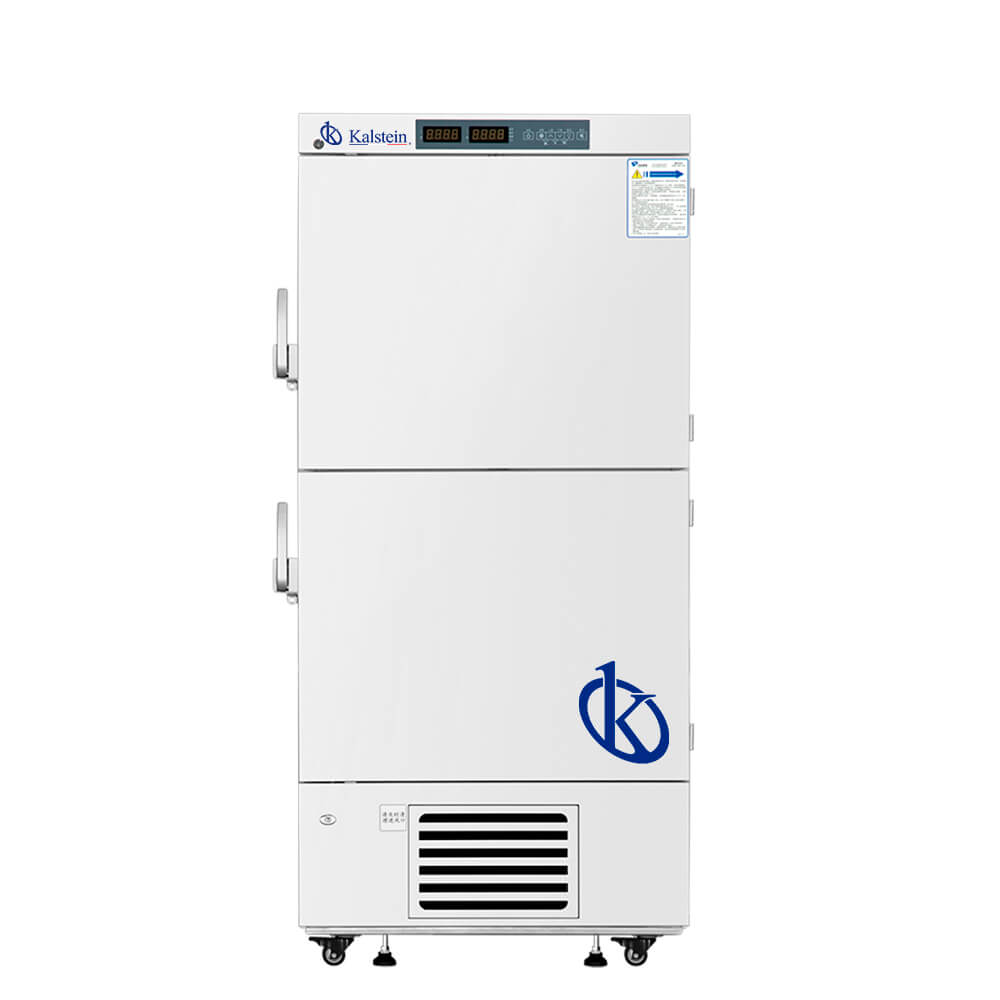
How Predictive Maintenance and Recommended Calibration Enhance Low Temperature Freezer Performance
In today's laboratory environment, maintaining optimal performance of low temperature freezers is critical. Predictive maintenance and regular calibration are essential practices that ensure reliability and extend the lifespan of these vital instruments. Understanding how these practices apply to different models can significantly impact operational efficiency in laboratories.
Understanding Low Temperature Freezers and Their Importance
Low temperature freezers are indispensable in many laboratories, particularly those dealing with sensitive biological samples, pharmaceuticals, and reagents. These devices must maintain consistent low temperatures to preserve sample integrity. Predictive maintenance and routine calibration can help achieve this consistency, thereby preventing failures that could result in costly sample loss.
Principles of Predictive Maintenance
Predictive maintenance involves monitoring the condition of equipment to predict when maintenance should be performed. This approach aims to minimize downtime and extend equipment lifespan. By utilizing temperature monitoring systems and analyzing performance data, laboratories can forecast potential failures in low temperature freezers before they occur.
Key Components of Predictive Maintenance
Critical elements of predictive maintenance include regular performance evaluations, condition monitoring, and timely calibration. For example, the Low Temperature Freezer YR05100, equipped with independent temperature indicators, allows labs to monitor performance effectively. Furthermore, understanding the operational parameters of each freezer model assists in establishing an effective maintenance schedule.
Calibration of Low Temperature Freezers
Calibration is the process of checking and adjusting the accuracy of equipment to ensure reliable performance. For low temperature freezers, this involves verifying that the temperature readings match the actual internal temperature. Regular calibration is necessary to comply with standards, such as those required in laboratories adhering to ISO 17025 guidelines.
Calibration Intervals
The recommended calibration intervals for low temperature freezers generally range from 6 to 12 months, depending on usage and manufacturer specifications. For example, the Medical Supplies Vertical Freezer YR05309 is designed for high reliability and requires regular checks to maintain its performance standards.
Comparison of Available Models
| Model | Temperature Range (°C) | Cooling Method | Power Consumption (W) | Best For |
|---|---|---|---|---|
| YR05100 | -40 to -20 | Direct Cooling | 340 | Flexible Storage |
| YR05309 | -20 to -40 | Direct Cooling | 310 | High Reliability |
| YR05311 | -25 to -10 | Direct Cooling | 300 | Laboratory Use |
Common Mistakes and How to Avoid Them
Laboratories often make critical mistakes regarding the maintenance of low temperature freezers, which can lead to significant issues. One common mistake is neglecting regular calibration, which can result in inaccurate temperature readings. Another mistake is not adhering to manufacturer maintenance schedules, which can impact performance and reliability. Regular training for laboratory staff on best practices can mitigate these risks.
Factors Affecting Calibration Accuracy
Calibration accuracy can be influenced by several factors, including environmental conditions, frequency of use, and the quality of the calibration equipment used. Ensuring that the calibration equipment is of high quality and properly maintained is essential for achieving accurate results. For instance, using calibrated thermometers to verify temperature in freezer models like YR05311 can enhance accuracy.
Best Practices for Predictive Maintenance
Implementing best practices in predictive maintenance involves establishing a monitoring system, conducting regular performance evaluations, and collaborating with equipment manufacturers for technical support. Additionally, developing a proactive maintenance culture within the laboratory can significantly reduce the frequency of breakdowns and enhance overall equipment reliability.
Frequently Asked Questions
What are the best practices for maintaining a low temperature freezer for laboratory use?
Best practices for maintaining a low temperature freezer include regular calibration, monitoring temperature readings, and scheduling preventive maintenance. Models like the YR05100 provide features such as independent temperature monitoring, which aids in these practices.
How often should calibration be performed on a low temperature freezer?
Calibration for low temperature freezers should be conducted every 6 to 12 months, depending on usage and the manufacturer's recommendations. For example, the YR05309 requires frequent checks to ensure reliable performance, especially in critical applications.
Which model of low temperature freezer is best for laboratories needing high reliability?
The Medical Supplies Vertical Freezer YR05309 is ideal for laboratories requiring high reliability, featuring multiple alarms for temperature control and power failure, ensuring sample integrity.
What temperature range do low temperature freezers typically operate within?
Low temperature freezers generally operate between -10 to -40 degrees Celsius. The YR05311 model operates from -25 to -10 degrees Celsius, making it suitable for various laboratory storage needs.
How can predictive maintenance reduce operational costs in laboratories?
Predictive maintenance can lower operational costs by preventing unexpected breakdowns and minimizing downtime. This approach is particularly beneficial for models like the YR05100, which can be monitored for performance issues before they lead to costly repairs.
What indicators suggest a low temperature freezer needs maintenance?
Indicators that a low temperature freezer needs maintenance include fluctuating temperature readings, unusual noises, or alarm notifications. The YR05309 model is equipped with multiple alarm systems to alert users of such issues.
How do calibration mistakes affect laboratory operations?
Calibration mistakes can lead to inaccurate temperature readings, risking the integrity of stored samples. Regular calibration of models like the YR05311 is crucial to avoid such mistakes and maintain compliance with laboratory standards.
Which low temperature freezer model is best for flexible storage?
The Low Temperature Freezer YR05100 is best for flexible storage, featuring adjustable shelves that allow customization based on sample sizes, enhancing storage efficiency.
If you are looking for a fusion of innovation and quality, you have come to the right place. At Kalstein, we offer you the luxury of exploring our exclusive catalog of laboratory equipment. We manufacture every device to the highest standards of excellence. Our intuitive and seamless online purchasing channels are designed for your convenience, securing the most competitive prices. Hesitate no longer — we bring science to life, it is time to become part of our community.