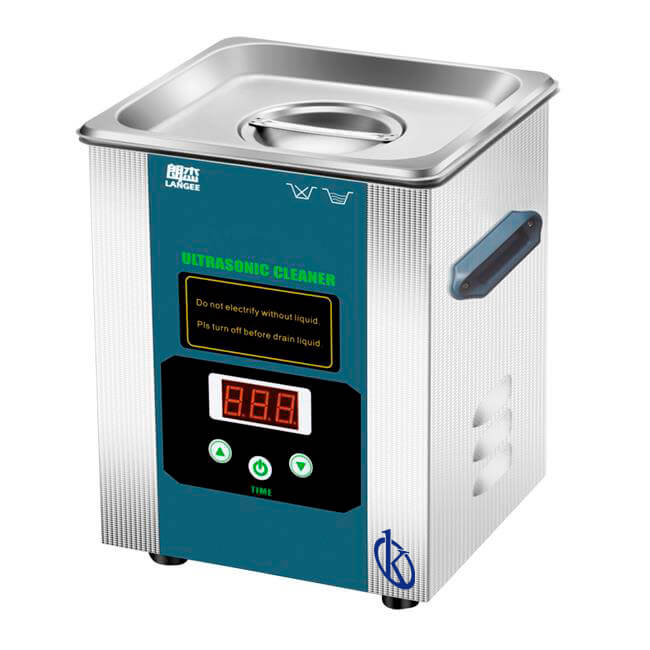
How Predictive Maintenance Enhances the Calibration of Mechanical Desktop Ultrasonic Cleaners
In the realm of laboratory equipment, Mechanical Desktop Ultrasonic Cleaners stand out for their unique cleaning capabilities. These devices utilize ultrasonic waves to effectively remove contaminants from various items, including jewelry, laboratory tools, and delicate instruments. As their usage grows across various sectors, understanding the importance of predictive maintenance and regular calibration becomes paramount. This article delves into how these practices not only enhance the operational efficiency of ultrasonic cleaners but also ensure compliance with industry standards.
Understanding Predictive Maintenance for Ultrasonic Cleaners
Predictive maintenance involves monitoring the condition of equipment to predict when maintenance should be performed. This proactive approach minimizes downtime, reduces costs, and extends the lifespan of the equipment. In the case of Mechanical Desktop Ultrasonic Cleaners, implementing predictive maintenance means utilizing data collected from the devices to determine when they require servicing. Regular checks on critical components, such as ultrasonic transducers and temperature sensors, ensure the cleaner operates within optimal parameters.
Importance of Regular Calibration
Calibration is crucial in maintaining the accuracy and efficiency of ultrasonic cleaners. Regular calibration ensures that the ultrasonic frequency and power output remain consistent, which is essential for achieving the desired cleaning results. Without proper calibration, the effectiveness of the cleaner may be compromised, leading to subpar cleaning outcomes and potential damage to sensitive items. Calibration should be performed according to a predetermined schedule based on usage frequency and the manufacturer's recommendations.
Predictive Maintenance Strategies
Implementing a successful predictive maintenance strategy for Mechanical Desktop Ultrasonic Cleaners involves several key steps:
- Data Collection: Use sensors to gather information about the cleaner's operational parameters, such as temperature, power consumption, and ultrasonic frequency.
- Analysis: Analyze the collected data to identify patterns that may indicate potential failures or the need for calibration.
- Scheduling Maintenance: Based on the analysis, schedule maintenance activities to address issues before they lead to equipment failure.
Benefits of Predictive Maintenance and Calibration
Integrating predictive maintenance with regular calibration presents numerous advantages, including:
- Enhanced Reliability: Reduces unexpected breakdowns and maintains operational continuity.
- Cost Efficiency: Minimizes costly repairs and prolongs the lifespan of the equipment.
- Quality Assurance: Ensures that cleaning processes consistently meet quality standards, which is critical in laboratory environments.
Comparison of Available Models
| Model Code | Dimensions (mm) | Tank Capacity (L) | Power (W) | Frequency (kHz) | Price (USD) |
|---|---|---|---|---|---|
| YR05207 | 242 x 227 x 265 | 1.3 | 70 | 40 | 43.00 |
| YR05202 | 368 x 270 x 290 | 11 | 240 | 40/80/120 | 540.00 |
| YR05203 | 397 x 320 x 371 | 15 | 360 | 40/80/120 | 640.00 |
| YR05204 | 397 x 320 x 368 | 20 | 360 | 40/80/120 | 680.00 |
| YR05205 | 560 x 320 x 317 | 22 | 480 | 40/80/120 | 760.00 |
| YR05206 | 560 x 320 x 385 | 30 | 600 | 40/80/120 | 810.00 |
Common Mistakes and How to Avoid Them
Many laboratories face challenges when it comes to maintaining their Mechanical Desktop Ultrasonic Cleaners. Here are some common mistakes and tips to avoid them:
- Infrequent Calibration: Regular calibration is crucial. Set reminders based on usage frequency to ensure precision.
- Neglecting Maintenance: Implement a maintenance schedule to check critical components regularly.
- Ignoring Manufacturer Guidelines: Always adhere to the specifications and recommendations provided by the manufacturer for optimal performance.
Frequently Asked Questions
How does predictive maintenance improve the performance of Mechanical Desktop Ultrasonic Cleaners?
Predictive maintenance enhances the performance of Mechanical Desktop Ultrasonic Cleaners by proactively addressing potential failures before they occur. For instance, models like YR05203 utilize sensors to monitor operational parameters, ensuring timely maintenance and optimal functionality.
What are the recommended calibration intervals for ultrasonic cleaners?
Calibration intervals for ultrasonic cleaners should be determined based on usage frequency and manufacturer recommendations. Typically, routine checks every 3 to 6 months are advisable to ensure models like YR05206 maintain their cleaning efficacy.
Which ultrasonic cleaner model is best for delicate jewelry cleaning?
The YR05207 model is particularly effective for delicate jewelry cleaning, as its compact size and ultrasonic frequency are ideal for intricate items. Regular calibration ensures it operates optimally, protecting the items being cleaned.
What are the consequences of not calibrating Mechanical Desktop Ultrasonic Cleaners regularly?
Neglecting regular calibration can lead to inconsistent cleaning results, potential damage to sensitive items, and increased maintenance costs. Consistent calibration is vital for models like YR05202 to maintain performance and reliability.
How can data analytics enhance the predictive maintenance of ultrasonic cleaners?
Data analytics can enhance predictive maintenance by analyzing usage patterns and operational data from ultrasonic cleaners. Models like YR05205 can benefit from this analysis to predict when maintenance is needed, thus reducing downtime.
What specific features should I look for in a Mechanical Desktop Ultrasonic Cleaner?
When selecting a Mechanical Desktop Ultrasonic Cleaner, look for features such as adjustable frequencies, tank capacity, and power output. The YR05204 model offers multiple frequencies, making it versatile for various cleaning applications.
How does predictive maintenance reduce operational costs in a laboratory?
Predictive maintenance reduces operational costs by preventing equipment failures and minimizing downtime. For instance, regularly maintaining models like YR05206 can lead to significant savings in repair costs and improved cleaning efficiency.
What is the importance of temperature control in ultrasonic cleaning processes?
Temperature control is crucial in ultrasonic cleaning as it affects cleaning efficiency. Models like YR05203 offer heating capabilities, which help in achieving better cleaning outcomes by ensuring optimal temperatures during operation.
If you are looking for a fusion of innovation and quality, you have come to the right place. At Kalstein, we offer you the luxury of exploring our exclusive catalog of laboratory equipment. We manufacture every device to the highest standards of excellence. Our intuitive and seamless online purchasing channels are designed for your convenience, securing the most competitive prices. Hesitate no longer — we bring science to life, it is time to become part of our community.