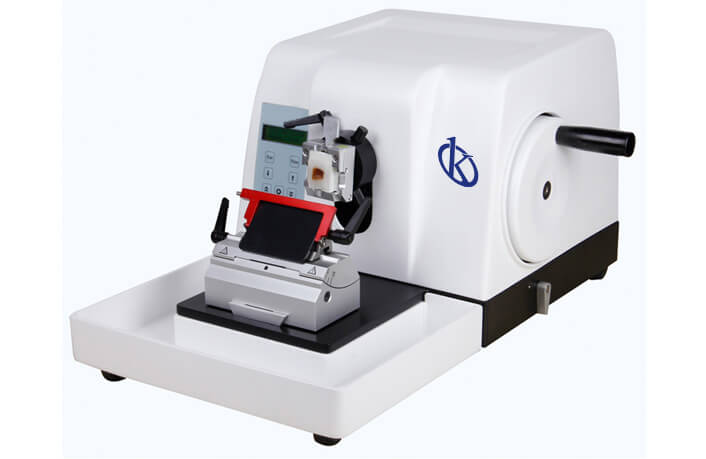
How to Optimize Predictive Maintenance and Calibration for Microtome Series
Proper maintenance and calibration are crucial for ensuring optimal performance and reliability of laboratory equipment, especially in histopathology where precision is paramount. The Microtome Series, which includes models such as YR417-1, YR416, YR417, YR420, YR421, and YR422, are designed to deliver high-quality sections for various applications. This article will delve into the importance of predictive maintenance and regular calibration for these microtomes, setting a pathway toward enhanced operational efficiency and accuracy in laboratory settings.
Understanding Predictive Maintenance in Laboratory Equipment
Predictive maintenance is a proactive approach that monitors equipment performance and predicts failures before they occur. By utilizing data analytics and condition monitoring tools, laboratories can optimize their maintenance schedules and reduce unexpected downtime. In the context of the Microtome Series, predictive maintenance can significantly enhance the lifespan of devices like the YR416, known for its high reliability and user comfort, and the YR420, which incorporates advanced technology for stable performance.
Importance of Regular Calibration for Microtomes
Regular calibration is essential to ensure that microtomes provide accurate and consistent results in tissue sectioning. Calibration involves comparing the microtome's performance against a known standard to identify any deviations. For instance, the YR417 allows for adjustable thickness settings ranging from 0-60 μm, and proper calibration ensures that these settings yield accurate cuts. Performing timely calibration not only enhances precision but also meets quality assurance requirements in histopathology labs.
Predictive Maintenance Strategies for Microtome Series
Developing a predictive maintenance strategy involves the following steps:
- Data Collection: Gather data on operational metrics such as cut thickness, operational hours, and error rates from models like YR421 and YR422.
- Condition Monitoring: Utilize sensors and software to monitor the microtome's performance in real-time, identifying anomalies that may indicate wear or failure.
- Predictive Analytics: Analyze collected data to predict when maintenance should be performed, allowing for scheduling during non-peak hours to minimize disruptions.
- Staff Training: Ensure that laboratory personnel are trained in recognizing signs of potential issues and understand the importance of reporting anomalies promptly.
Calibration Intervals and Standards for Microtomes
Calibration intervals can vary based on usage frequency and manufacturer recommendations. For models like YR416, it is advisable to calibrate at least every six months or after significant changes in operational conditions. Adhering to traceable standards during calibration, such as ISO 17025, ensures that the microtome remains compliant with international quality standards and maintains high precision in sectioning.
Common Calibration Techniques for Microtomes
Several calibration techniques can be implemented, including:
- Micrometer Calibration: Use a micrometer to verify the thickness of cuts produced by the microtome, ensuring they align with the set parameters.
- Optical Calibration: Utilize optical methods to ensure that the alignment of the microtome is correct and that there is no deviation in the sample cutting path.
- Performance Testing: Regularly test the microtome's performance by cutting a test sample and measuring the thickness at multiple points.
Comparison of Available Models
| Model Code | Thickness Adjustment Range | Best for | Price (USD) |
|---|---|---|---|
| YR417-1 | Not specified | Semi-automatic applications | 5200.00 |
| YR416 | 0.25 μm to 60 μm | Universal multi-use | 3600.00 |
| YR417 | 0-60 μm | Histology and research | 4000.00 |
| YR420 | 0-500 μm | Stable performance | 2400.00 |
| YR421 | 0-500 μm | High precision | 2400.00 |
| YR422 | 0-500 μm | Easy-to-use features | 1200.00 |
Common Mistakes and How to Avoid Them
Laboratories often encounter pitfalls regarding maintenance and calibration of microtomes. Common mistakes include:
- Ignoring Scheduled Maintenance: Failing to adhere to preventive maintenance schedules can lead to unexpected failures. Set clear reminders for regular checks.
- Inadequate Training: Not training staff on the importance of maintenance can result in overlooked issues. Regular training sessions should be implemented.
- Poor Record Keeping: Not documenting maintenance and calibration activities can lead to compliance issues. Maintain a log for each microtome to ensure traceability.
Frequently Asked Questions
How often should I calibrate the YR416 microtome for optimal performance?
Calibrating the YR416 microtome should be done at least every six months to maintain precision in sectioning. Calibration ensures that the micrometer settings accurately reflect the intended thickness, preventing inaccuracies in histopathological analyses.
What predictive maintenance strategies work best for the YR421 microtome?
For the YR421 microtome, effective predictive maintenance strategies include monitoring operational hours and section thickness variability. Implementing real-time data analytics can help predict when maintenance is needed, reducing downtime and improving reliability.
Which calibration standards should be followed for microtomes in histology labs?
Histology labs should follow ISO 17025 standards for calibration to ensure accuracy and compliance. Regularly calibrating microtomes like the YR420 ensures that they meet these quality benchmarks, which is crucial for research and diagnostic purposes.
What are the benefits of using predictive maintenance for the YR422 microtome?
Using predictive maintenance for the YR422 microtome minimizes unexpected breakdowns and prolongs its lifespan. By monitoring performance metrics, laboratories can anticipate repairs and calibrations, ensuring continuous and accurate operation.
How can calibration improve the performance of the YR417 microtome?
Calibration enhances the YR417 microtome's performance by ensuring that the cut thickness settings are accurate. Regular calibration prevents deviations in results, improving the reliability of histological analyses and overall data quality.
What common mistakes can lead to microtome inaccuracies?
Common mistakes such as neglecting scheduled maintenance, inadequate staff training, and poor documentation can lead to inaccuracies in microtome performance. Addressing these issues is vital for maintaining high standards in laboratory results.
How do I establish a calibration schedule for microtomes?
To establish a calibration schedule for microtomes, assess the usage frequency and manufacturer recommendations. It’s advisable to calibrate devices like the YR416 and YR420 every six months or after significant operational changes to ensure precision.
What are the ideal operating conditions for the YR420 microtome?
The ideal operating conditions for the YR420 microtome include a stable environment with minimal temperature fluctuations and humidity. Proper setup ensures that the microtome operates efficiently, producing high-quality sections consistently.
If you are looking for a fusion of innovation and quality, you have come to the right place. At Kalstein, we offer you the luxury of exploring our exclusive catalog of laboratory equipment. We manufacture every device to the highest standards of excellence. Our intuitive and seamless online purchasing channels are designed for your convenience, securing the most competitive prices. Hesitate no longer — we bring science to life, it is time to become part of our community.