How to Implement Predictive Maintenance and Recommended Calibration for Portable Ion Meters?
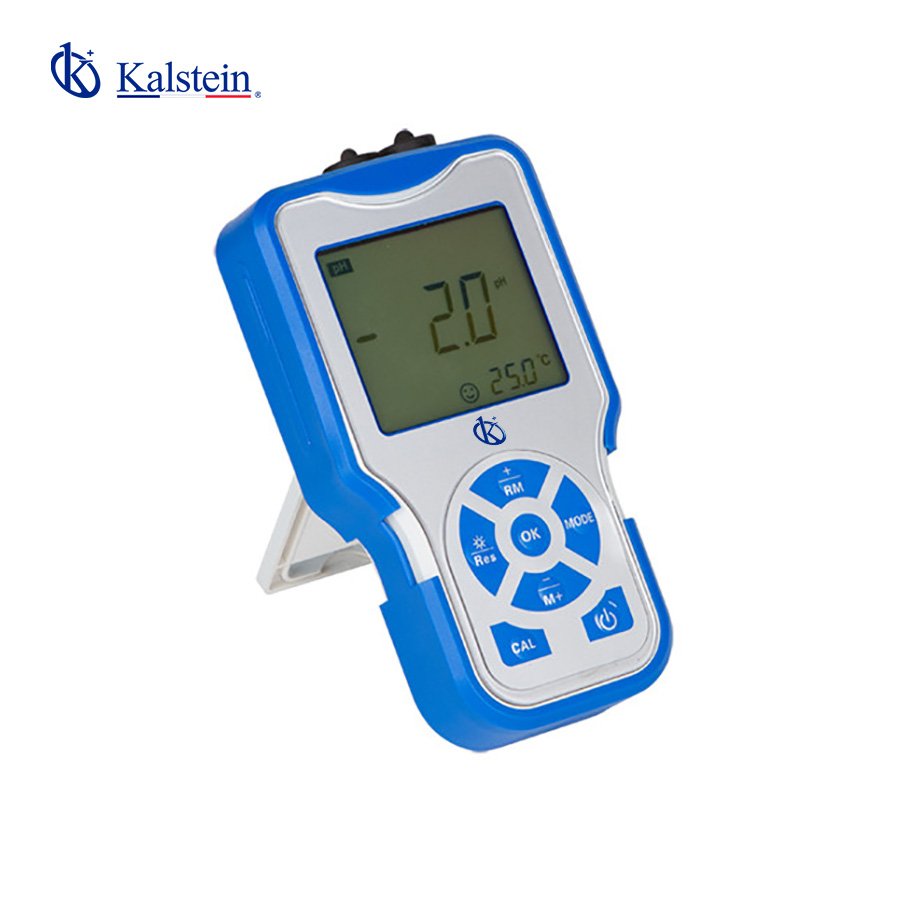
In the realm of laboratory analysis, ensuring the reliability and accuracy of measurements is paramount. Portable ion meters are essential tools for various applications, and their effectiveness significantly relies on proper maintenance and calibration. This article provides an in-depth examination of predictive maintenance strategies and recommended calibration procedures specific to portable ion meters, focusing on models such as YR01816, YR01817-1, YR01817-10, YR01817-11, YR01817-12, and YR01817-13.
Understanding Predictive Maintenance in Portable Ion Meters
Predictive maintenance is a proactive approach aimed at predicting equipment failures before they occur. For portable ion meters, this involves regular monitoring of performance parameters to identify trends that indicate potential errors or malfunctions. By analyzing historical data, laboratory professionals can establish maintenance schedules that optimize the usage of these devices, reduce downtime, and extend their operational lifespan.
Implementing predictive maintenance involves several key steps:
- Collecting performance data over time to identify normal operating ranges.
- Using statistical analysis tools to predict failure modes based on collected data.
- Establishing a maintenance schedule that allows for timely interventions based on predictive analytics.
Calibration Requirements for Portable Ion Meters
Calibration is critical for the accuracy of measurements taken with portable ion meters. Regular calibration ensures that the readings remain within acceptable ranges and comply with laboratory standards. There are two main types of calibration methods used for these instruments: two-point calibration and multi-point calibration.
Models like the YR01816 offer flexibility in calibration, allowing for 2 to 5 points, which is vital in ensuring accurate results across various ion concentrations. Additionally, the YR01817-1 includes features that cater to low to high concentration measurements, making it suitable for diverse applications.
Comparison of Available Models
| Model | Calibration Points | Ion Concentration Range | Accuracy | Best For |
|---|---|---|---|---|
| YR01816 | 2 to 5 | 0.001 to 19999 | ± 0.5% FS | General ion measurement |
| YR01817-1 | 2 to 5 | 5 × 10⁻⁶ to 1 M | ± 0.5% FS | Ammonium ion analysis |
| YR01817-10 | 2 to 5 | 5 × 10⁻⁶ to 1 M | ± 0.5% FS | Ammonium ion analysis in outdoor applications |
| YR01817-11 | 2 to 5 | 5 × 10⁻⁶ to 1 M | ± 0.5% FS | Outdoor analysis |
| YR01817-12 | 2 to 5 | 5 × 10⁻⁶ to 1 M | ± 0.5% FS | Professional applications |
| YR01817-13 | 2 to 5 | 5 × 10⁻⁶ to 1 M | ± 0.5% FS | Professional applications |
Common Mistakes and How to Avoid Them
Avoiding common pitfalls in the maintenance and calibration of portable ion meters can significantly enhance their performance and lifespan. Here are some frequent mistakes:
- Neglecting Regular Calibration: Laboratories often overlook the necessity of frequent calibration, leading to inaccurate results. Ensure that calibration is performed at least quarterly, especially for devices like the YR01817-1.
- Improper Storage Conditions: Storing meters in extreme temperatures or humidity can damage sensitive components. Always follow the manufacturer's guidelines for storage.
- Ignoring Software Updates: Regularly updating software can enhance device functionality and accuracy. Check for updates regularly.
Key Performance Indicators (KPIs) for Predictive Maintenance
Establishing KPIs is essential for measuring the effectiveness of predictive maintenance strategies in your laboratory. Key indicators should include:
- Mean Time Between Failures (MTBF): This metric helps assess the reliability of portable ion meters. A targeted MTBF can guide maintenance schedules.
- Mean Time to Repair (MTTR): Understanding how long it takes to repair meters helps in planning and scheduling laboratory work effectively.
- Calibration Frequency: Tracking how often calibration is performed ensures compliance and optimizes operational readiness.
Developing a Quality Calibration Plan
A well-structured calibration plan is essential for maintaining the integrity of measurements taken with portable ion meters. Key elements include:
- Calibration Frequency: Depending on usage, establish a calibration schedule (monthly, quarterly, or annually).
- Calibration Standards: Use traceable calibration standards to ensure compliance with laboratory regulations.
- Documentation: Maintain detailed records of all calibration activities, including results and any adjustments made.
Frequently Asked Questions
How often should I calibrate my portable ion meter for accurate results?
Calibration frequency depends on usage; however, it is recommended to calibrate your portable ion meter, such as the YR01816, at least quarterly to ensure consistent accuracy and compliance with laboratory standards.
What is the importance of predictive maintenance for portable ion meters?
Predictive maintenance helps anticipate equipment failures, allowing laboratories to schedule maintenance for portable ion meters like the YR01817-1. This proactive approach minimizes downtime and enhances productivity.
Which portable ion meter model is best for ammonium ion analysis?
The YR01817-1 model is highly recommended for ammonium ion analysis due to its calibration capabilities and wide concentration range, making it suitable for various laboratory applications.
What are the key components of a calibration plan for portable ion meters?
A calibration plan should include calibration frequency, traceable standards, and detailed documentation of all calibration activities. Models like YR01817-10 benefit from a structured approach to calibration.
How can I improve the accuracy of my portable ion meter measurements?
Improving accuracy involves regular calibration, ensuring proper storage conditions, and using appropriate standards. For instance, the YR01816 requires routine checks to maintain measurement precision.
What are the common mistakes in maintaining portable ion meters?
Common mistakes include neglecting regular calibration and improper storage conditions. Ensuring that the YR01817-11 is stored correctly can significantly enhance performance.
How does calibration affect the lifespan of portable ion meters?
Regular calibration, such as that performed on models like YR01817-12, ensures that these devices operate within specified accuracy ranges, ultimately extending their lifespan and reliability.
What types of calibration methods are available for portable ion meters?
Portable ion meters typically utilize two-point and multi-point calibration methods. For example, the YR01817-13 supports multi-point calibration, which enhances its measurement accuracy across different ion concentrations.
If you are looking for a fusion of innovation and quality, you have come to the right place. At Kalstein, we offer you the luxury of exploring our exclusive catalog of laboratory equipment. We manufacture every device to the highest standards of excellence. Our intuitive and seamless online purchasing channels are designed for your convenience, securing the most competitive prices. Hesitate no longer — we bring science to life, it is time to become part of our community.