Predictive Maintenance and Recommended Calibration for Portable pH Meters
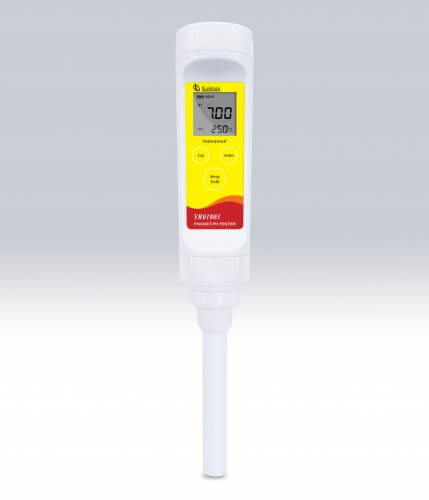
Portable pH meters are essential tools in various laboratory settings, providing critical measurements for a wide range of applications. Ensuring the reliability and accuracy of these devices is crucial, especially when precision is paramount in scientific experimentation. This article emphasizes the importance of predictive maintenance and regular calibration for portable pH meters, primarily focusing on models such as the YR01803, YR01804, YR01800, YR01802, and their respective characteristics.
Understanding Predictive Maintenance for Portable pH Meters
Predictive maintenance refers to the practice of monitoring equipment to predict failures before they occur. This proactive approach can significantly reduce downtime and maintenance costs associated with portable pH meters. By analyzing performance data, laboratory professionals can enhance the longevity and functionality of their devices, ensuring that they always deliver accurate readings.
For instance, the YR01803 model, known for its high precision and automatic temperature compensation, requires regular assessments to maintain its calibration accuracy. Implementing predictive maintenance strategies allows users to plan calibration activities based on actual usage and performance trends rather than arbitrary schedules, thereby optimizing resource allocation and ensuring optimal performance.
Recommended Calibration Intervals for Portable pH Meters
Calibration is a vital process for any measuring device, including portable pH meters. Regular calibration is necessary to ensure that the readings are accurate and reliable. The recommended calibration intervals can vary based on usage frequency, environmental conditions, and specific model characteristics.
For example, the YR01804 model, which supports 1 to 3-point calibration, should ideally be calibrated before each use in critical applications. In less critical environments, a general recommendation is to calibrate weekly or monthly, depending on the frequency of use. Regular calibration helps maintain compliance with relevant standards, ensuring that operational processes are not compromised.
Factors Affecting Calibration Accuracy
Several factors can influence the calibration accuracy of portable pH meters. These include the quality of calibration standards, environmental temperature, and the age of the electrode. Utilizing high-quality calibration buffers, such as those available for the YR01800 and YR01802 models, is essential for achieving consistent results.
Moreover, operating in extreme temperatures can impact measurements. The YR01800 model's design, which complies with IP57 standards for dust and water resistance, makes it suitable for use in harsh environments, yet proper calibration practices remain critical. Ensuring that the device is used within its specified temperature range is key to maintaining accuracy.
Establishing a Calibration Schedule
Developing a calibration schedule is vital for maintaining the accuracy of portable pH meters. A well-defined schedule typically factors in the expected usage, criticality of measurements, and environmental conditions. Below is an example of a calibration schedule tailored for different scenarios:
| Model | Calibration Frequency | Usage Scenario | Comments |
|---|---|---|---|
| YR01803 | Before each use | High precision labs | Critical for accurate results |
| YR01804 | Weekly | Outdoor usage | Subject to temperature changes |
| YR01800 | Monthly | General lab use | Less critical measurements |
| YR01802 | Before each critical testing session | Food and beverage testing | High importance for compliance |
Common Mistakes and How to Avoid Them
Laboratory professionals often make mistakes that can negatively impact the accuracy of portable pH meters. Common errors include skipping calibration, using expired buffers, and neglecting to store the electrode properly. Understanding these pitfalls can enhance measurement reliability. For example, the YR01804 model, famous for its manual temperature compensation, should be calibrated with fresh buffers to ensure accuracy.
Additionally, failing to account for environmental conditions, such as humidity and temperature, can lead to erroneous readings. Hence, it's crucial to maintain proper storage conditions and adhere to manufacturer guidelines to avoid detrimental mistakes.
Comparison of Available Models
| Model | Calibration Points | Temperature Compensation | Best For | Price (USD) |
|---|---|---|---|---|
| YR01803 | 1 to 3 | Automatic | Laboratories requiring high precision | 77.00 |
| YR01804 | 1 to 3 | Manual | Outdoor applications | 75.00 |
| YR01800 | 1 to 3 | Automatic | General lab applications | 18.00 |
| YR01802 | 1 to 3 | Automatic | Food testing | 94.00 |
Conclusion
In conclusion, the importance of predictive maintenance and regular calibration for portable pH meters cannot be overstated. Ensuring these devices are accurately calibrated and maintained can significantly enhance their reliability, ultimately leading to more precise results in laboratory settings. By following best practices and utilizing models like the YR01803, YR01804, and YR01802, laboratory professionals can optimize their operations and ensure compliance with industry standards.
Frequently Asked Questions
What is the recommended calibration frequency for portable pH meters in labs?
The recommended calibration frequency for portable pH meters, such as the YR01803, is before each use in critical applications and at least weekly in less critical environments. This ensures accuracy and compliance with laboratory standards.
How can predictive maintenance improve the longevity of portable pH meters?
Predictive maintenance enhances the longevity of portable pH meters by allowing users to monitor performance data, such as that from the YR01804, and address potential failures before they occur, thereby reducing downtime and maintenance costs.
How does temperature compensation affect the accuracy of portable pH meters?
Temperature compensation, automatic in models like the YR01802, ensures that pH readings remain accurate across varying temperatures, thereby preventing discrepancies that can arise from environmental changes during measurements.
What common mistakes should be avoided when using portable pH meters?
Common mistakes include skipping calibration, using expired buffers, and improper electrode storage. For instance, using expired calibration buffers can lead to inaccurate readings in models like YR01800.
Which portable pH meter is best for outdoor applications?
The YR01804 is best for outdoor applications as it includes manual temperature compensation and a durable design suitable for varying environmental conditions.
What role does calibration play in compliance with laboratory standards?
Calibration plays a crucial role in compliance with laboratory standards by ensuring that measurements from devices such as the YR01802 are accurate, thereby maintaining the integrity of experimental results and meeting regulatory requirements.
How can I request a quote for portable pH meters from Kalstein?
You can request a quote for portable pH meters directly from Kalstein through their online catalog, ensuring you receive the latest information on pricing and availability.
If you are looking for a fusion of innovation and quality, you have come to the right place. At Kalstein, we offer you the luxury of exploring our exclusive catalog of laboratory equipment. We manufacture every device to the highest standards of excellence. Our intuitive and seamless online purchasing channels are designed for your convenience, securing the most competitive prices. Hesitate no longer — we bring science to life, it is time to become part of our community.