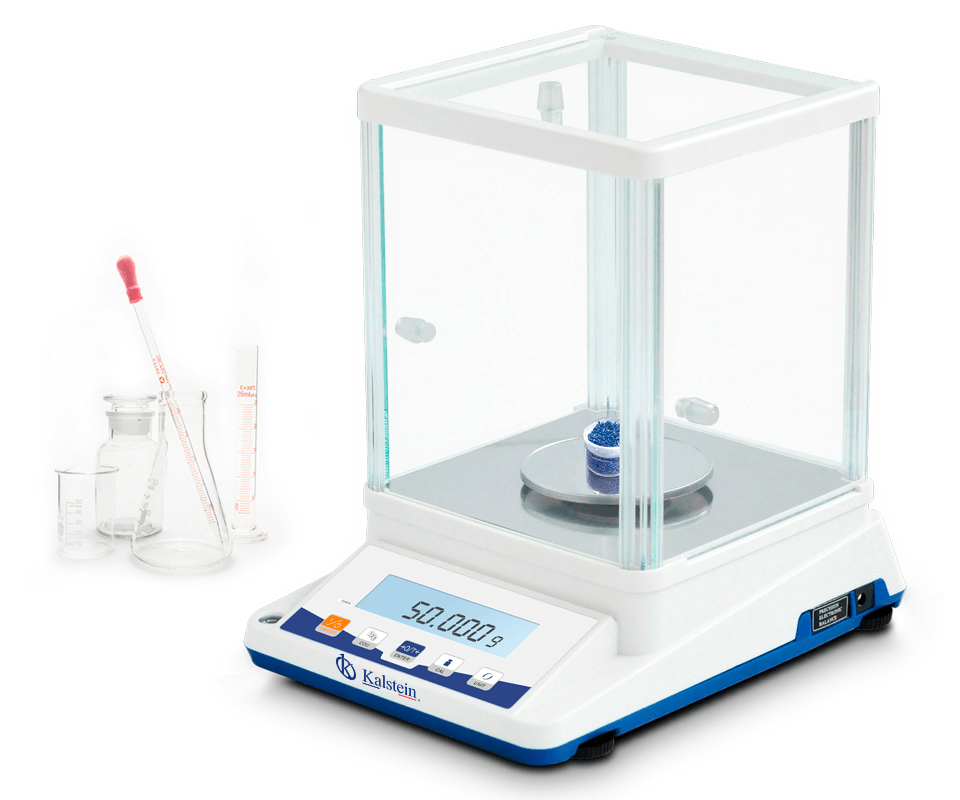
Predictive Maintenance and Recommended Calibration for Precision Balances
Precision balances are essential tools in laboratories, providing accurate measurements critical for various applications. This article delves into the significance of predictive maintenance and periodic calibration, outlining best practices that enhance reliability and compliance for laboratory professionals. Proper maintenance not only ensures optimal performance but also extends the lifespan of the equipment, contributing to overall efficiency and accuracy.
Understanding Predictive Maintenance for Precision Balances
Predictive maintenance involves the use of data analysis tools and techniques to identify the condition of precision balances, allowing for timely maintenance before failures occur. By monitoring performance indicators such as weight discrepancies, calibration status, and environmental factors, laboratories can avoid unexpected downtime.
Key predictive maintenance strategies include regular performance monitoring, sensor data analysis, and scheduled maintenance based on actual usage rather than arbitrary timelines. This approach not only saves costs but also boosts the reliability of measurements, critical for compliance with standards.
Recommended Calibration Intervals for Precision Balances
Calibration is crucial for ensuring the accuracy of precision balances. The recommended calibration intervals can vary depending on usage frequency, environmental conditions, and specific laboratory needs. General guidelines suggest calibrating precision balances at the beginning of each day of use or after significant environmental changes.
For example, balances in high-usage environments may require monthly calibration, while those in stable, low-usage settings could suffice with quarterly checks. It is vital to establish a calibration schedule that aligns with the operational demands of the laboratory.
Comparison of Available Models
| Model | Capacity (g) | Readability (g) | Minimum Weight (g) | Calibration Method | Best for |
|---|---|---|---|---|---|
| YR05584 | 110 | 0.001 | 0.001 | External Calibration | General laboratory use |
| YR05585 | 210 | 0.001 | 0.001 | External Calibration | Research applications |
| YR05586 | 310 | 0.001 | 0.001 | External Calibration | Quality control testing |
| YR05587 | 610 | 0.001 | 0.001 | External Calibration | Pharmaceutical manufacturing |
| YR05588 | 2100 | 0.01 | 0.01 | External Calibration | Industrial applications |
| YR05589 | 3100 | 0.01 | 0.01 | External Calibration | Heavy-duty weighing |
Common Mistakes and How to Avoid Them
When maintaining and calibrating precision balances, several common mistakes can lead to inaccurate measurements or equipment failures. One frequent error is neglecting regular calibration schedules. Laboratory professionals should establish and adhere to a robust calibration timetable based on usage frequency and environmental conditions.
Another mistake is using improper weights for calibration, which can compromise the accuracy of measurements. It's essential to use certified calibration weights that meet the specifications required by the precision balance. Training staff on the correct operation and maintenance procedures is also critical to prevent errors.
Best Practices for Predictive Maintenance
Implementing best practices for predictive maintenance can significantly enhance the performance of precision balances. First, laboratories should invest in training and resources to monitor performance indicators effectively. Regularly reviewing data logs can help identify trends and potential issues before they escalate into significant problems.
Additionally, performing routine inspections of the balances and their environment can prevent contaminants from affecting accuracy. Ensuring that the balances are placed on stable surfaces away from vibrations and temperature fluctuations is crucial for maintaining their precision.
Effective Calibration Protocols
Establishing effective calibration protocols is vital for ensuring the accuracy of precision balances. A well-designed calibration protocol should include steps for pre-calibration checks, such as verifying the cleanliness of the balance and the calibration weights used.
Moreover, labs should have a clear procedure for logging calibration results and any adjustments made during the process. This documentation is critical for compliance with industry standards and for maintaining traceability of calibration records.
Frequently Asked Questions
How often should I calibrate a Precision Balance for laboratory use?
The frequency of calibration for a Precision Balance, such as the YR05584, depends on usage. It's generally recommended to calibrate daily for high-usage environments or at least once a month for moderate use. Regular calibration ensures compliance and accuracy in measurements.
What are the predictive maintenance strategies for Precision Balances?
Predictive maintenance strategies for Precision Balances, including the YR05586, involve monitoring performance indicators and environmental conditions to anticipate failures. Scheduled maintenance based on actual usage data can help maintain accuracy and extend equipment lifespan.
Which calibration standards should be followed for Precision Balances?
Calibration of Precision Balances, such as the YR05587, should follow guidelines set by ISO/IEC standards. Ensuring that weights used for calibration are certified and traceable is crucial for compliance and accurate measurements.
What is the impact of environmental conditions on Precision Balances?
Environmental conditions significantly affect Precision Balances' performance. Factors like temperature fluctuations and vibrations can lead to inaccurate readings. Placing models like the YR05588 on stable surfaces in controlled environments enhances measurement precision.
How do I select the right Precision Balance for my laboratory needs?
Choosing the right Precision Balance involves evaluating your laboratory's specific requirements, such as capacity, readability, and intended application. Models like YR05584 are suitable for general use, while YR05587 excels in pharmaceutical applications.
What documentation is required for calibration of Precision Balances?
Documentation for calibrating Precision Balances, such as YR05585, should include calibration certificates, procedures followed, and any adjustments made. Maintaining comprehensive records ensures compliance with industry standards and traceability.
How can I ensure accurate results with my Precision Balance?
To ensure accuracy with a Precision Balance, regular calibration is essential. For instance, calibrating the YR05586 daily or after significant environmental changes can maintain measurement integrity and accuracy in results.
What are the common issues faced with Precision Balances?
Common issues with Precision Balances, like the YR05589, include incorrect calibration, environmental interference, and mechanical wear. Implementing a routine maintenance schedule and monitoring environmental conditions can mitigate these issues.
If you are looking for a fusion of innovation and quality, you have come to the right place. At Kalstein, we offer you the luxury of exploring our exclusive catalog of laboratory equipment. We manufacture every device to the highest standards of excellence. Our intuitive and seamless online purchasing channels are designed for your convenience, securing the most competitive prices. Hesitate no longer — we bring science to life, it is time to become part of our community.