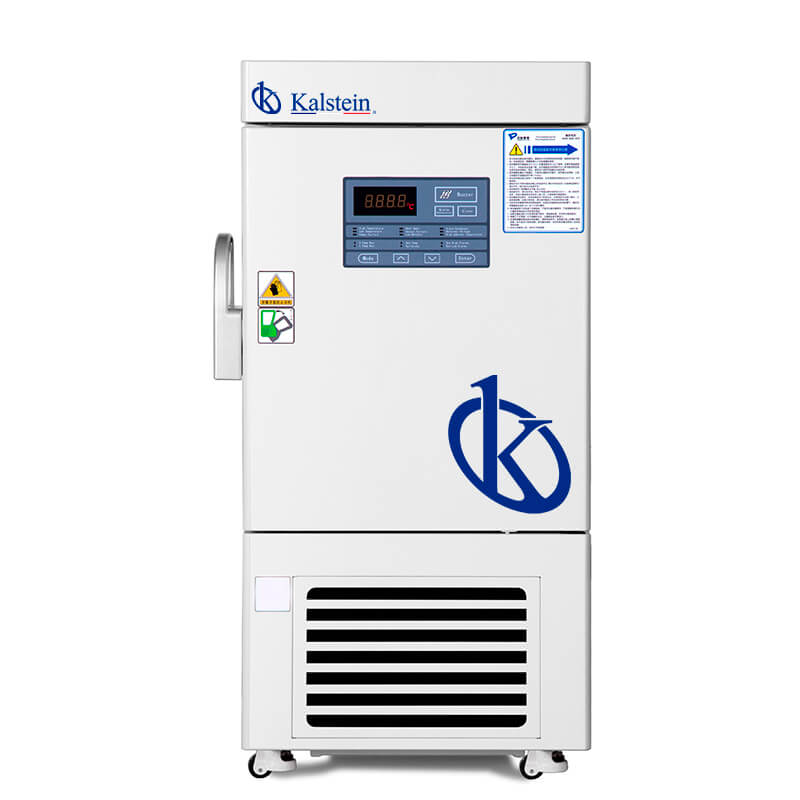
Predictive Maintenance and Recommended Calibration for Ultra Freezers
Ultra freezers play a crucial role in the preservation of biological samples, requiring strict adherence to maintenance and calibration protocols to ensure optimal performance and reliability. This article delves into the significance of predictive maintenance and recommended calibration practices tailored for ultra freezers in laboratory settings. We will explore various models, their specifications, and how to effectively manage maintenance schedules to minimize downtime and maximize sample integrity.
Understanding Predictive Maintenance in Ultra Freezers
Predictive maintenance refers to the proactive approach of monitoring the condition of equipment to predict when maintenance should be performed. For ultra freezers, this involves regular checks on key performance indicators such as temperature consistency, compressor efficiency, and alarm systems. Implementing predictive maintenance can significantly reduce the risk of equipment failure, thereby protecting valuable biological specimens.
Importance of Calibration for Ultra Freezers
Calibration ensures that ultra freezers maintain precise temperature control, vital for the long-term storage of sensitive samples. Regular calibration against traceable standards is essential for compliance with laboratory regulations and for maintaining the accuracy of temperature readings. A well-defined calibration schedule aligned with manufacturer recommendations is necessary to uphold reliability and performance.
Best Practices for Maintenance Schedules
Establishing a maintenance schedule is critical for the longevity of ultra freezers. This should include routine checks for temperature deviations, functionality of alarm systems, and condition of seals and insulation. By adhering to a structured maintenance plan, laboratories can minimize operational costs and avoid unexpected outages.
Key Performance Indicators (KPIs) for Monitoring Ultra Freezers
To effectively gauge the performance of ultra freezers, laboratories should monitor KPIs such as Mean Time Between Failures (MTBF) and Mean Time to Repair (MTTR). These metrics provide valuable insights into the operational efficiency of the equipment and can help in making informed decisions regarding maintenance interventions.
Common Maintenance Mistakes and How to Avoid Them
Inadequate training on equipment usage, neglecting manual checks, and failing to document maintenance activities are common pitfalls in ultra freezer maintenance. Establishing a culture of accountability and training staff regularly on best practices can help mitigate these issues, ensuring that ultra freezers operate at peak performance.
Comparison of Available Models
| Model | Temperature Range (°C) | Energy Consumption (kWh/24h) | Alarm Features | Best For |
|---|---|---|---|---|
| YR05106 | -40 to -86 | 5.6 | High/Low Temp, Power Failure | Long-term storage of biological samples |
| YR05107 | -40 to -86 | 8.2 | High/Low Temp, Power Failure | Research labs requiring sample integrity |
| YR05108 | -40 to -86 | 12.0 | High/Low Temp, Power Failure | Clinical laboratories storing sensitive specimens |
| YR05109 | -40 to -86 | 16.5 | High/Low Temp, Power Failure | Biobanks and hospitals |
| YR05110 | -40 to -86 | 20.0 | High/Low Temp, Power Failure | Storage of cell cultures |
| YR05111 | -40 to -86 | 18.8 | High/Low Temp, Power Failure | Pharmaceutical storage |
Implementing a Calibration Plan
A successful calibration plan should include regular intervals for calibrating temperature sensors, utilizing certified reference materials, and maintaining detailed records of calibration activities. Consistency in calibration practices is necessary to ensure compliance with international standards, thereby enhancing credibility in laboratory operations.
Benefits of Regular Predictive Maintenance
Implementing a predictive maintenance strategy can lead to reduced operational costs, improved equipment lifespan, and enhanced reliability of ultra freezers. By minimizing the risk of unexpected failures, laboratories can ensure that samples remain viable for research and testing applications.
Frequently Asked Questions
How can I ensure my ultra freezer is compliant with calibration standards?
To ensure compliance, models like YR05106 and YR05109 should be calibrated regularly according to manufacturer guidelines and traceable standards. It is critical to maintain documentation of these calibrations to demonstrate adherence to quality control protocols.
What are the key indicators for monitoring ultra freezers?
Key performance indicators for monitoring ultra freezers include temperature fluctuations, compressor performance, and alarm response times. Utilizing models such as YR05108 can help track these metrics effectively, ensuring optimal sample preservation.
How often should ultra freezers be calibrated in a laboratory setting?
Calibration frequency can depend on usage but typically should occur at least once every six months. For ultra freezers like YR05110, more frequent checks may be necessary in high-demand environments to maintain performance.
What maintenance practices are vital for ultra freezers?
Regularly checking temperature settings, inspecting seals, and testing alarm systems are vital maintenance practices for ultra freezers. Models such as YR05111 feature advanced alarm systems that require routine testing for reliability.
What are the consequences of neglecting ultra freezer maintenance?
Neglecting maintenance can lead to equipment failure, compromising sample integrity. This can result in significant financial losses, particularly in institutions relying on models like YR05107 for critical biological research.
How can predictive maintenance save costs in laboratory operations?
Predictive maintenance can reduce downtime and associated repair costs by identifying issues before they lead to equipment failure. Utilizing models like YR05109 allows for real-time monitoring, leading to a proactive maintenance strategy.
What role do alarm systems play in ultra freezer safety?
Alarm systems are essential for alerting staff to temperature deviations or power failures in ultra freezers. Models such as YR05106 come equipped with sophisticated alarm features that enhance the safety of stored samples.
How does calibration impact the performance of ultra freezers?
Calibration directly affects the accuracy of temperature readings, ensuring that ultra freezers operate within specified ranges. This is crucial for models like YR05108, as improper calibration can lead to sample degradation.
If you are looking for a fusion of innovation and quality, you have come to the right place. At Kalstein, we offer you the luxury of exploring our exclusive catalog of laboratory equipment. We manufacture every device to the highest standards of excellence. Our intuitive and seamless online purchasing channels are designed for your convenience, securing the most competitive prices. Hesitate no longer — we bring science to life, it is time to become part of our community.