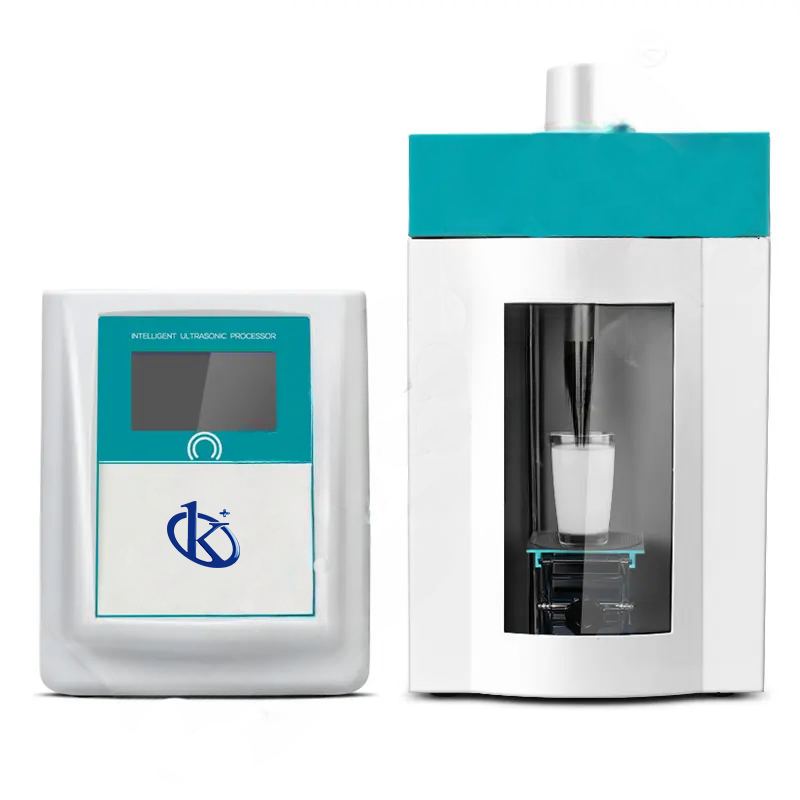
How to Implement Predictive Maintenance and Recommended Calibration for Ultrasonic Homogenizers
In the modern laboratory environment, the efficiency and reliability of equipment are paramount. Ultrasonic homogenizers play a crucial role in various applications, from sample preparation to emulsification. However, maintaining these devices through predictive maintenance and regular calibration is vital to ensure their optimal performance and longevity. This article delves into techniques, strategies, and the benefits associated with implementing these practices specifically for ultrasonic homogenizers.
Understanding Predictive Maintenance for Ultrasonic Homogenizers
Predictive maintenance is a proactive approach that leverages data analysis tools and techniques to predict equipment failures before they occur. For ultrasonic homogenizers, this involves monitoring various parameters such as vibration, temperature, and operational efficiency. By analyzing these data points, lab professionals can anticipate maintenance needs, thereby minimizing downtime and maximizing throughput.
Key Benefits of Predictive Maintenance
- Reduced Unexpected Breakdowns: Regular monitoring can significantly decrease the risk of unexpected equipment failures.
- Cost-Effectiveness: Predictive maintenance helps in planning repairs and minimizing the cost associated with reactive maintenance.
- Extended Equipment Lifespan: By addressing issues before they escalate, the operational life of ultrasonic homogenizers can be greatly extended.
Calibration Protocols for Ultrasonic Homogenizers
Calibration ensures that ultrasonic homogenizers operate within specified parameters, providing accurate results consistently. Regular calibration is crucial, especially in regulated environments where compliance with standards is mandatory.
Recommended Calibration Intervals
For ultrasonic homogenizers, it is recommended to conduct calibration at least every six months or after significant repairs or modifications. This ensures that any drift in results is detected and corrected promptly.
Calibration Standards
Calibration should align with recognized standards such as ISO 17025, which establishes general requirements for the competence of testing and calibration laboratories. Ensuring adherence to such standards boosts reliability and validity in laboratory results.
Comparison of Available Models
| Model | Continuous Power (W) | Mixing Capacity (ml) | Recommended Calibration Frequency | Best For |
|---|---|---|---|---|
| YR05015 | 1.5 – 150W | 0.1 – 150 ml | 6 months | Small sample preparation |
| YR05016 | 2-5 – 250 W | 0.1 – 300 ml | 6 months | Medium sample size applications |
| YR05017 | 10 – 650 W | 0.1 – 500 ml | 6 months | Standard laboratory homogenizing |
| YR05018 | 10 – 900 W | 0.1 – 600 ml | 6 months | High throughput laboratories |
| YR05019 | 20 – 1 200 W | 1 – 1 000 ml | 6 months | Large scale homogenization |
| YR05020 | 50 – 1 800 W | 1 – 1 200 ml | 6 months | Industrial applications |
Common Mistakes and How to Avoid Them
When implementing predictive maintenance and calibration procedures, laboratories often encounter pitfalls that can lead to inefficiencies.
Neglecting Regular Maintenance
One of the most common mistakes is neglecting to schedule regular maintenance checks. Establishing a clear maintenance schedule based on usage and laboratory standards is essential.
Improper Calibration Techniques
Using incorrect calibration techniques can lead to inaccurate results. Adhering to manufacturer guidelines and ensuring staff are trained in proper calibration methods can mitigate this issue.
Ignoring Software Updates
Many modern ultrasonic homogenizers come with software that may require updates. Ignoring these updates can result in decreased performance and missed features that aid in predictive maintenance.
Frequently Asked Questions
What are the essential calibration steps for ultrasonic homogenizers?
Essential calibration steps include verifying the device's accuracy against known standards, performing adjustments as needed, and documenting results. For example, the YR05019 model requires calibration every six months to ensure compliance with ISO 17025 standards.
How can predictive maintenance improve the lifespan of ultrasonic homogenizers?
Predictive maintenance improves the lifespan of ultrasonic homogenizers by anticipating issues before they cause failure. Regular monitoring of the YR05018 model can identify potential problems early, reducing downtime and repair costs.
What is the standard calibration interval for ultrasonic homogenizers?
The standard calibration interval for ultrasonic homogenizers is recommended to be every six months. This ensures that models like the YR05020 remain accurate and compliant with industry standards.
How does maintenance scheduling affect laboratory productivity?
Proper maintenance scheduling significantly enhances laboratory productivity by minimizing equipment downtime. Well-maintained ultrasonic homogenizers, such as the YR05016, operate efficiently and improve sample processing speed.
What tools are essential for calibrating ultrasonic homogenizers?
Essential tools for calibrating ultrasonic homogenizers include calibration standards, measurement instruments, and documentation software. Utilizing these tools ensures accurate calibration practices for models like the YR05015.
How can I implement a predictive maintenance plan for my ultrasonic homogenizer?
To implement a predictive maintenance plan, start by collecting and analyzing operational data from your ultrasonic homogenizer. For instance, the YR05017 can be monitored for temperature and power output to identify maintenance needs.
What are the consequences of neglecting calibration for ultrasonic homogenizers?
Neglecting calibration can lead to inaccuracies in results, affecting research outcomes. Regular checks, such as those recommended for the YR05019 model, are essential to maintain compliance and reliability.
How does predictive maintenance reduce costs for laboratory equipment?
Predictive maintenance reduces costs by preventing unexpected equipment failures and avoiding costly repairs. Regular monitoring of the YR05020 can help predict when maintenance is needed, ensuring budget-friendly laboratory operations.
If you are looking for a fusion of innovation and quality, you have come to the right place. At Kalstein, we offer you the luxury of exploring our exclusive catalog of laboratory equipment. We manufacture every device to the highest standards of excellence. Our intuitive and seamless online purchasing channels are designed for your convenience, securing the most competitive prices. Hesitate no longer — we bring science to life, it is time to become part of our community.