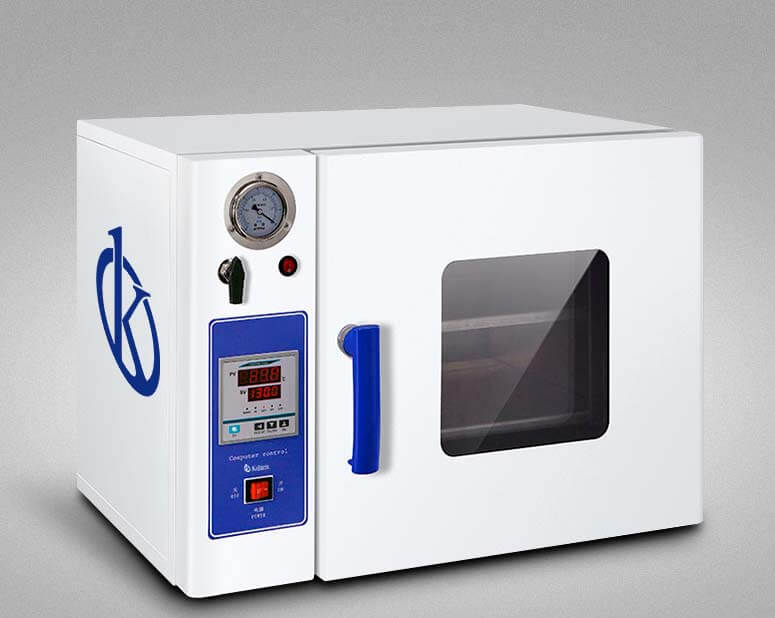
How to Implement Predictive Maintenance and Recommended Calibration for Vacuum Ovens
In laboratory settings, vacuum ovens play a pivotal role in various applications including drying, sterilization, and powder processing. Ensuring their optimal performance through predictive maintenance and periodic calibration is paramount. This article aims to provide comprehensive insights into the best practices for maintaining vacuum ovens, focusing on different models available in the market, and the importance of adhering to these practices to enhance reliability and compliance.
Understanding Predictive Maintenance and Its Importance
Predictive maintenance involves the use of advanced techniques to predict when equipment failure might occur, allowing for maintenance to be performed just in time to avoid unplanned downtime. This is particularly important for vacuum ovens, which are sensitive to operational conditions. Implementing predictive maintenance helps reduce costs associated with equipment failure, prolongs the life of the ovens, and ensures consistent results in laboratory processes.
Calibrating Vacuum Ovens: Why and How?
Calibration ensures that vacuum ovens are operating within specified parameters, which is critical for processes that require precision. Regular calibration helps in maintaining accuracy in temperature control and vacuum levels, essential for drying sensitive materials. A proper calibration schedule should consider factors such as usage frequency, the critical nature of applications, and manufacturer recommendations.
Key Features of Leading Vacuum Oven Models
When considering vacuum ovens, it is essential to understand the unique features that make certain models more suitable for specific applications. The models we will discuss include:
- Vacuum Drying Oven YR05260 (A) - Best for bioengineering and pharmaceutical applications.
- Vacuum Drying Oven YR05261 (A) - Ideal for environments where rapid drying of heat-sensitive materials is necessary.
- Vacuum Drying Oven YR05262 (SS) - Suited for applications needing high corrosion resistance.
- Vacuum Drying Oven YR05263 (SS) - Great for complex mechanical components and porous samples.
- Vacuum Drying Oven YR05264 (A) - Perfect for research applications requiring stringent vacuum control.
- Vacuum Drying Oven YR05265 (SS) - Excellent for high capacity drying needs.
Comparison of Available Models
| Model | Temperature Range (°C) | Vacuum Level (Pa) | Best For | Price (USD) |
|---|---|---|---|---|
| YR05260 (A) | RT + 5 ~ 250 | < 133 | Bioengineering | 330.00 |
| YR05261 (A) | RT + 5 ~ 250 | < 133 | Heat-sensitive materials | 460.00 |
| YR05262 (SS) | RT + 5 ~ 250 | < 133 | Corrosion resistance | 400.00 |
| YR05263 (SS) | RT + 5 ~ 250 | < 133 | Mechanical components | 590.00 |
| YR05264 (A) | RT + 5 ~ 250 | < 133 | Research applications | 690.00 |
| YR05265 (SS) | RT + 5 ~ 250 | < 133 | High capacity drying | 845.00 |
Common Mistakes and How to Avoid Them
Many laboratories make the mistake of neglecting regular maintenance and calibration schedules. This can lead to equipment failure and compromised results. To avoid these issues, labs should implement a systematic approach to predictive maintenance, including regular checks, using appropriate calibration standards, and documenting all maintenance activities. Regular training for staff on the specific requirements of each model is also vital.
Developing a Calibration Schedule
Establishing a calibration schedule is crucial for the effective operation of vacuum ovens. Calibration should be based on manufacturer's recommendations, usage intensity, and specific operational needs. A general guideline is to calibrate every 6 months or after significant repairs or changes in usage patterns. Additionally, documenting calibration results ensures traceability and compliance with quality standards.
Evaluating Predictive Maintenance Strategies
Adopting a predictive maintenance strategy can significantly reduce downtime and maintenance costs. Techniques include monitoring temperature stability, vacuum levels, and performing regular performance tests. For example, integrating sensors and data analytics can provide real-time insights into oven performance, allowing for timely interventions before failures occur.
Frequently Asked Questions
What are the key calibration standards for vacuum ovens?
Calibration standards for vacuum ovens typically include ISO 17025, which ensures that testing and calibration laboratories are competent to carry out their tasks. Models like the YR05260 (A) are designed to meet these standards, providing specific temperature and vacuum level parameters to ensure compliance.
How often should vacuum ovens be calibrated for optimal performance?
It is generally recommended to calibrate vacuum ovens, such as the YR05261 (A), every 6 months or after any significant adjustments. This frequency ensures that they maintain accuracy in temperature and vacuum settings, which is critical for laboratory processes.
What are the benefits of predictive maintenance in laboratory settings?
Predictive maintenance helps to identify potential failures before they occur, reducing downtime and maintenance costs. By using models like the YR05262 (SS), labs can implement monitoring systems that provide real-time data on performance, enhancing reliability and efficiency.
Which vacuum oven model is best for drying heat-sensitive materials?
The YR05261 (A) vacuum drying oven is particularly well-suited for drying heat-sensitive materials, thanks to its precise temperature control capabilities. Regular calibration ensures that it operates within the optimal range for such applications.
What is the typical lifespan of a vacuum oven with proper maintenance?
With proper maintenance, vacuum ovens like the YR05263 (SS) can last for over a decade. Implementing a predictive maintenance schedule and adhering to calibration timelines significantly extends their useful life and operational effectiveness.
How do I select a vacuum oven based on my laboratory’s needs?
Choosing a vacuum oven involves considering factors like capacity, temperature range, and specific applications. Models like the YR05264 (A) are ideal for research applications, while the YR05265 (SS) is designed for high-capacity drying needs, suited for different laboratory environments.
What role does data logging play in vacuum oven maintenance?
Data logging is essential for tracking the performance of vacuum ovens, such as the YR05260 (A). It helps in monitoring temperature stability and vacuum levels, providing insights that guide maintenance and calibration activities.
How can I ensure compliance with industry standards while using vacuum ovens?
Compliance with standards like ISO 17025 is crucial for vacuum ovens. Regular calibration, as performed on the YR05261 (A), and maintaining thorough documentation of all maintenance practices ensure that laboratories meet industry guidelines.
If you are looking for a fusion of innovation and quality, you have come to the right place. At Kalstein, we offer you the luxury of exploring our exclusive catalog of laboratory equipment. We manufacture every device to the highest standards of excellence. Our intuitive and seamless online purchasing channels are designed for your convenience, securing the most competitive prices. Hesitate no longer — we bring science to life, it is time to become part of our community.