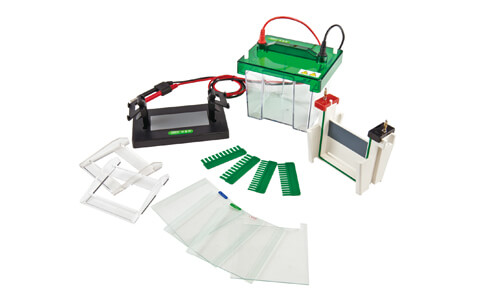
Predictive Maintenance and Recommended Calibration for Vertical Electrophoresis Systems
Vertical electrophoresis systems are essential tools in laboratories for protein separation and analysis. As technology evolves, the importance of predictive maintenance and periodic calibration becomes paramount to ensure accuracy and reliability in results. This article delves into the benefits of predictive maintenance and the recommended calibration practices for vertical electrophoresis systems. We will also compare various models available in the market, highlighting their features and best use scenarios.
Understanding Predictive Maintenance in Electrophoresis
Predictive maintenance refers to the proactive approach of performing maintenance on equipment based on its condition rather than a preset schedule. This method leverages data analysis tools and techniques to determine the condition of the vertical electrophoresis systems, ensuring that they operate optimally. The primary benefit of predictive maintenance lies in its potential to minimize unexpected downtimes, thereby enhancing laboratory efficiency and productivity.
Key Components of Predictive Maintenance
Successful predictive maintenance involves several key components, including condition monitoring, data analysis, and maintenance scheduling. Monitoring the equipment's physical and operational parameters allows for identifying signs of wear and tear, while data analysis helps predict failure points. Regular calibration is essential to maintain measurement accuracy, particularly in a highly precise field like protein analysis.
Recommended Calibration Practices for Vertical Electrophoresis
Calibration is a systematic procedure that ensures the accuracy of the measurements taken by vertical electrophoresis systems. The recommended calibration practices involve determining the intervals for calibration, which can vary based on the system's usage frequency and environmental conditions.
Calibration Intervals
The calibration interval for vertical electrophoresis systems typically ranges from monthly to annually, depending on the manufacturers' guidelines. High-frequency usage or harsh lab environments may require more frequent calibration. Documenting the calibration process and results is crucial for maintaining compliance with laboratory standards.
Comparison of Available Models
| Model Code | Key Specifications | Best For |
|---|---|---|
| YR03425 | 150x120x115 mm, 1.5 Kg, $303.00 | Small labs needing quick setups |
| YR03426 | 220x170x120 mm, 2.5 Kg, $405.00 | Multi-gel plate production |
| YR03427 | 175x175x100 mm, 2.5 Kg, $517.20 | Versatile protein analysis |
| YR03428 | 280x140x135 mm, 3.2 Kg, $173.40 | Economical option for high throughput |
| YR03429 | 280x140x250 mm, 5.6 Kg, $238.20 | Large sample size requirements |
| YR03430 | 280x140x136 mm, 3.2 Kg, $339.60 | Rapid analysis with modular designs |
Common Mistakes and How to Avoid Them
When implementing predictive maintenance and calibration for vertical electrophoresis systems, common mistakes can lead to inefficiencies and inaccurate results. One such mistake is neglecting to maintain accurate logs of calibration and maintenance activities. Consistent documentation helps track performance trends and preemptively address potential issues.
Overlooking Environmental Factors
Another common oversight is not considering environmental factors that can affect equipment performance, such as temperature, humidity, and vibration. Maintaining stable operating conditions is crucial for consistent results in protein analysis.
Frequently Asked Questions
How can I ensure compliance with calibration standards for vertical electrophoresis systems?
To ensure compliance, follow the manufacturer's calibration schedule and document each calibration event. Models like YR03428 provide clear operational guidelines that can help maintain quality standards in your laboratory.
What are the predictive maintenance indicators for vertical electrophoresis systems?
Predictive maintenance indicators include monitoring operational temperature, buffer solutions' integrity, and checking the glass plate alignment. Keeping an eye on these factors can help detect potential issues early, especially in systems like YR03429.
What is the best calibration interval for frequent use of vertical electrophoresis equipment?
For frequent use, a monthly calibration is often recommended to maintain accuracy. Models such as YR03430 are designed for rapid setups, making it easier to adhere to strict calibration schedules.
How do I document calibration results for vertical electrophoresis systems?
Documentation should include the date of calibration, results, calibration standards used, and technician details. This can be facilitated through a lab management software integrated with devices like YR03426.
Which vertical electrophoresis system is best for budget-conscious labs?
YR03428 stands out as a cost-effective choice, providing reliable performance without compromising on essential features. Its price point and specifications are ideal for labs on a tighter budget.
How can predictive maintenance improve the lifespan of vertical electrophoresis systems?
By implementing predictive maintenance, you can anticipate and address issues before they escalate, thus extending the lifespan of systems like YR03425. This proactive approach minimizes costly repairs and downtime.
What are the operational benefits of periodic calibration in vertical electrophoresis systems?
Periodic calibration ensures measurement accuracy, thereby enhancing the reliability of experimental results. Regular checks can particularly benefit systems like YR03427, where precision is critical for protein analysis.
Conclusion
If you are looking for a fusion of innovation and quality, you have come to the right place. At Kalstein, we offer you the luxury of exploring our exclusive catalog of laboratory equipment. We manufacture every device to the highest standards of excellence. Our intuitive and seamless online purchasing channels are designed for your convenience, securing the most competitive prices. Hesitate no longer — we bring science to life, it is time to become part of our community.