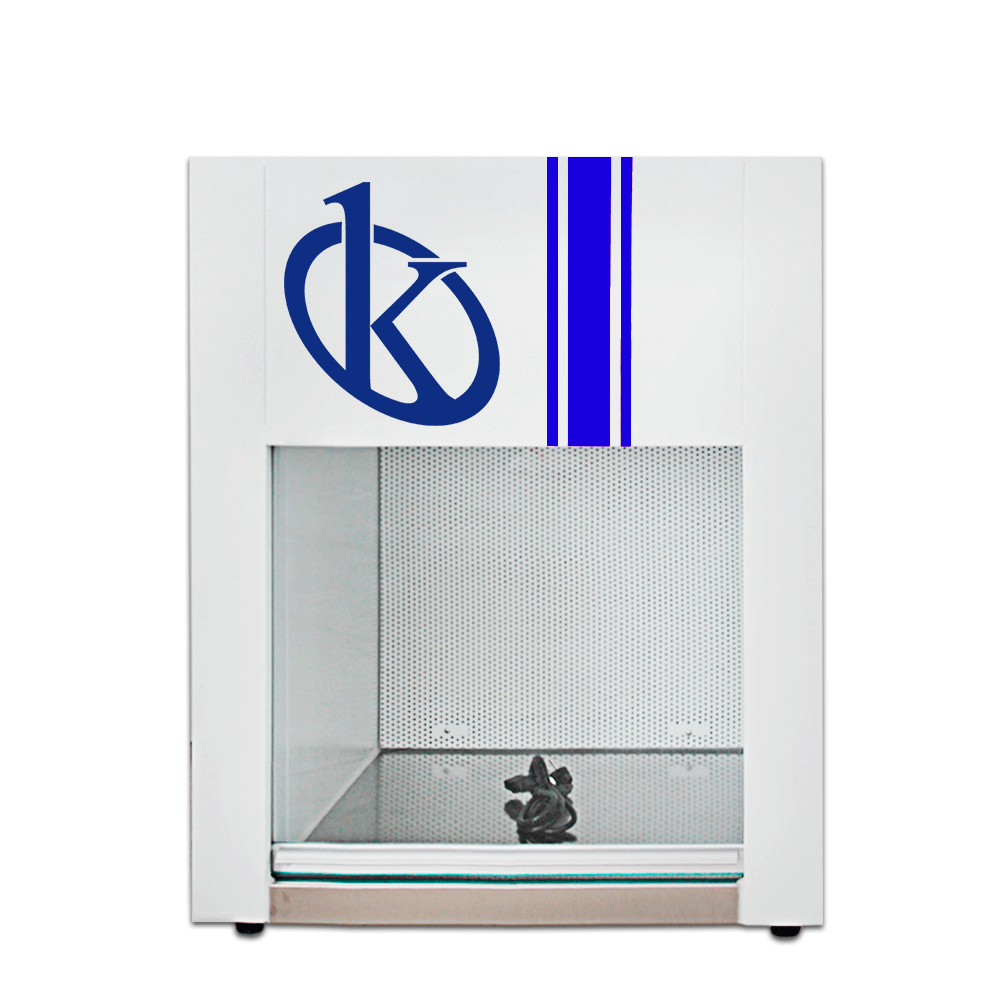
How to Ensure Predictive Maintenance and Periodic Calibration for Horizontal Laminar Flow Clean Benches
In laboratory environments, maintaining the integrity of clean air is vital. Horizontal laminar flow clean benches are designed to provide a contamination-free workspace, crucial for various fields such as medical research, biology, and chemistry. This article delves deep into the importance of predictive maintenance and periodic calibration of these clean benches, focusing on best practices to ensure optimal performance and compliance with industry standards.
Understanding Predictive Maintenance and Its Importance
Predictive maintenance is a proactive approach that uses data-driven insights to predict when equipment failure might occur, allowing for timely interventions. This method can significantly reduce downtime, save costs, and enhance the lifespan of horizontal laminar flow clean benches. By employing techniques such as vibration analysis, thermal imaging, and performance monitoring, laboratories can identify potential issues before they escalate.
Periodic Calibration: Ensuring Accuracy and Compliance
Calibration is the process of verifying that laboratory equipment operates according to specified standards. For horizontal laminar flow clean benches, periodic calibration is essential to assure compliance with regulatory entities. This involves checking the airflow, ensuring proper filter performance, and verifying that light levels meet safety standards. Regular calibration sessions should be documented meticulously to maintain compliance with ISO 17025 standards, which governs laboratory testing and calibration.
Comparison of Available Models
| Model | Cleanliness Level (Class) | Max Power (W) | Dimensions (mm) | Price (USD) |
|---|---|---|---|---|
| YR05723 | Class 100@≥0.5μM | NA | 650x530x850 | 240.00 |
| YR05724 | Class 100@≥0.5μM | NA | 850x530x850 | 300.00 |
| YR05726 | Class 100@≥0.5μM | 100 | 860x590x1600 | 420.00 |
| YR05727 | Class 100@≥0.5μM | 500 | 1310x590x1600 | 650.00 |
| YR05728 | Class 100@≥0.5μM | 490 | 1040x690x1600 | 660.00 |
| YR05729 | Class 100@≥0.5μM | 640 | 1530x690x1600 | 1020.00 |
Key Considerations for Predictive Maintenance
For effective predictive maintenance of horizontal laminar flow clean benches, it is crucial to monitor several key parameters:
- Airflow Velocity: Regularly check the airflow velocity, which should be between 0.25–0.45 m/s, depending on the model.
- Noise Levels: Ensure noise levels do not exceed 62 dB(A) to maintain a comfortable working environment.
- Vibration Analysis: Monitor vibration levels to identify mechanical issues early.
Calibration Intervals for Optimal Performance
Establishing clear calibration intervals is vital for maintaining the integrity of your horizontal laminar flow clean benches. Generally, it is recommended to perform calibration every six months; however, this may vary based on usage frequency and environmental conditions. For best results:
- Document calibration results for compliance with ISO 17025.
- Use certified standards for accurate calibration.
- Engage qualified personnel for calibration procedures.
Common Mistakes and How to Avoid Them
Many laboratories encounter pitfalls related to predictive maintenance and calibration. Here are common mistakes and how to avoid them:
- Infrequent Maintenance: Skipping regular maintenance checks can lead to unexpected downtimes. Schedule regular checks based on usage and environmental conditions.
- Ignoring Documentation: Not maintaining thorough records can impact compliance. Always document calibration and maintenance activities.
- Using Unqualified Personnel: Ensure that only trained professionals perform maintenance and calibration tasks.
Frequently Asked Questions
How often should horizontal laminar flow clean benches be calibrated for accuracy?
Calibration for models like the YR05726 should generally occur every six months to ensure compliance with ISO 17025 standards and maintain optimal performance.
What are the benefits of predictive maintenance for horizontal laminar flow clean benches?
Predictive maintenance can significantly reduce unexpected downtimes and extend the lifespan of equipment like the YR05724 by identifying potential issues before they lead to failure.
Which calibration standards are crucial for horizontal laminar flow clean benches?
Calibration standards such as ISO 17025 are vital for ensuring compliance and accuracy in measurements for clean benches like the YR05727.
What airflow speed should be maintained in horizontal laminar flow clean benches?
For effective operation, models like the YR05728 should maintain an airflow speed between 0.25–0.45 m/s, ensuring a contamination-free environment.
How can I document maintenance and calibration activities effectively?
Using a digital logbook specifically designed for laboratory equipment like the YR05729 can help keep accurate records of all maintenance and calibration activities for compliance.
What role does vibration analysis play in predictive maintenance?
Vibration analysis helps identify mechanical issues in models like the YR05723 early, enabling timely interventions that prevent more significant problems.
How can I ensure my clean benches remain compliant with industry standards?
Regularly calibrate and maintain your equipment in line with ISO standards and document all procedures to ensure compliance with regulations for models such as YR05724.
What is the expected lifespan of horizontal laminar flow clean benches with proper maintenance?
With proper maintenance and periodic calibration, horizontal laminar flow clean benches like the YR05726 can last over 10 years, ensuring reliable performance in a laboratory setting.
If you are looking for a fusion of innovation and quality, you have come to the right place. At Kalstein, we offer you the luxury of exploring our exclusive catalog of laboratory equipment. We manufacture every device to the highest standards of excellence. Our intuitive and seamless online purchasing channels are designed for your convenience, securing the most competitive prices. Hesitate no longer — we bring science to life, it is time to become part of our community.