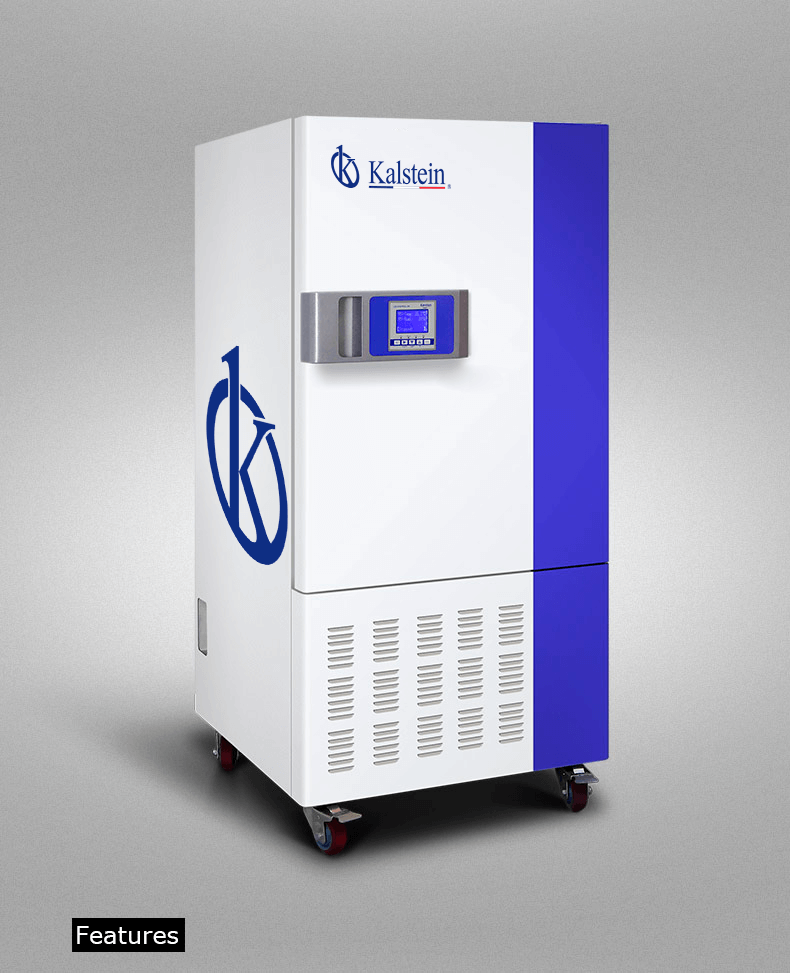
How Predictive Maintenance and Periodic Calibration Enhance Illumination Drug Stability Test Chambers
Illumination drug stability test chambers are crucial in the pharmaceutical industry, as they assess the stability of drug products under controlled light conditions. To ensure their effective operation, predictive maintenance and periodic calibration are essential. This article explores how these practices improve the reliability and efficiency of illumination drug stability test chambers, focusing on several models from the Strong Lighting Stability Test Chamber family.
Understanding Predictive Maintenance and Periodic Calibration
Predictive maintenance refers to the proactive approach of maintaining laboratory equipment based on the monitoring of their operational conditions and performance metrics. The goal is to predict when maintenance should be performed to prevent unexpected failures. On the other hand, periodic calibration involves the regular checking and adjusting of equipment to ensure accuracy and compliance with industry standards.
Importance of Predictive Maintenance in Illumination Drug Stability Test Chambers
Implementing predictive maintenance practices can significantly reduce equipment downtime, enhance operational efficiency, and ensure compliance with regulatory standards. By monitoring critical parameters such as temperature and light intensity, laboratory professionals can identify potential issues before they lead to significant failures. For example, using the Strong Lighting Stability Test Chamber YR05353, which features a PID microprocessor controller and a range of adjustable lighting from 0 to 6000LX, labs can fine-tune their operations to ensure consistent results.
Periodic Calibration: Ensuring Compliance and Accuracy
Periodic calibration is vital for maintaining the integrity of test results in the pharmaceutical industry. Regular calibration ensures that the measurements of temperature, light intensity, and other critical factors meet specified standards. Models like the Strong Lighting Stability Test Chamber YR05353-1, with an accuracy of 0.1℃ across a temperature range of 10~65℃ with lighting, facilitate precise calibration checks for compliance with ISO 17025 standards.
Predictive Maintenance Strategies for Illumination Drug Stability Test Chambers
To implement effective predictive maintenance, laboratories should establish a monitoring plan that includes key performance indicators (KPIs) such as Mean Time Between Failures (MTBF) and Mean Time to Repair (MTTR). For instance, employing the YR05353-2 model, which also supports forced convection, allows for enhanced air circulation and more uniform temperature control, thereby improving performance metrics and maintenance scheduling.
Comparative Overview of Available Models
When considering the best illumination drug stability test chamber for your laboratory, it's essential to compare the available models based on their specifications and features relevant to predictive maintenance and periodic calibration. The following table provides an overview of the Strong Lighting Stability Test Chamber models.
| Model | Temperature Range (℃) | Lighting Intensity (LX) | Calibration Accuracy (℃) | Best for |
|---|---|---|---|---|
| YR05353 | 10~65 (with lighting) | 0~6000 (five adjustable stages) | 0.1 | Long-term stability testing |
| YR05353-1 | 10~65 (with lighting) | 0~6000 (five adjustable stages) | 0.1 | Aerodynamic testing |
| YR05353-2 | 10~65 (with lighting) | 0~6000 (five adjustable stages) | 0.1 | Accelerated stability testing |
Common Mistakes and How to Avoid Them
When implementing predictive maintenance and calibration protocols, laboratories often fall into common traps. One mistake is neglecting to document calibration procedures, which can lead to compliance issues. Another mistake is failing to establish a routine monitoring schedule for maintenance. Using models such as the YR05353 can streamline these processes through its built-in data logging capabilities, ensuring compliance and accuracy.
Frequently Asked Questions
What are the key benefits of predictive maintenance for illumination drug stability test chambers?
Predictive maintenance for illumination drug stability test chambers, such as the YR05353 model, minimizes downtime and unexpected failures, ensuring that stability testing is consistently reliable. By monitoring performance metrics, labs can enhance operational efficiency and maintain compliance with regulations.
How does periodic calibration affect the accuracy of stability test results?
Periodic calibration is essential to ensure accurate results in stability testing. For example, the YR05353-1 model offers an accuracy of 0.1℃, which is crucial for meeting regulatory standards. Regular calibration checks help laboratories stay compliant and produce reliable data.
How can I implement predictive maintenance in my laboratory effectively?
To implement predictive maintenance effectively, establish a monitoring program that includes key performance indicators. Using the YR05353-2 model, you can track temperature fluctuations and perform timely interventions, thus ensuring optimal performance and compliance with testing protocols.
What role does calibration play in maintaining compliance with ISO standards?
Calibration is vital for compliance with ISO standards such as ISO 17025. By regularly calibrating illumination drug stability test chambers like the YR05353, laboratories can ensure their equipment meets strict accuracy requirements, thus maintaining the integrity of their testing processes.
Which model is best for long-term drug stability testing?
The YR05353 model is particularly suited for long-term drug stability testing due to its extensive temperature range and adjustable lighting intensity. This model enables laboratory professionals to simulate various environmental conditions, ensuring thorough stability evaluations.
What are common pitfalls when calibrating illumination drug stability test chambers?
Common pitfalls during calibration include inconsistent documentation and failing to adhere to a regular calibration schedule. Utilizing the features of the YR05353-1 model can help in maintaining organized calibration records and ensuring timely calibration checks.
How does the lighting intensity impact drug stability assessments?
The lighting intensity significantly affects drug stability assessments, as variations can lead to inconsistent results. Models like the YR05353-2 allow for adjustable lighting conditions, providing laboratories with the flexibility needed for accurate stability testing.
What factors should I consider when choosing an illumination drug stability test chamber?
When selecting an illumination drug stability test chamber, consider factors such as temperature range, accuracy, and features like adjustable lighting. The YR05353 model offers robust specifications that cater to a variety of testing needs while ensuring compliance and reliability.
If you are looking for a fusion of innovation and quality, you have come to the right place. At Kalstein, we offer you the luxury of exploring our exclusive catalog of laboratory equipment. We manufacture every device to the highest standards of excellence. Our intuitive and seamless online purchasing channels are designed for your convenience, securing the most competitive prices. Hesitate no longer — we bring science to life, it is time to become part of our community.