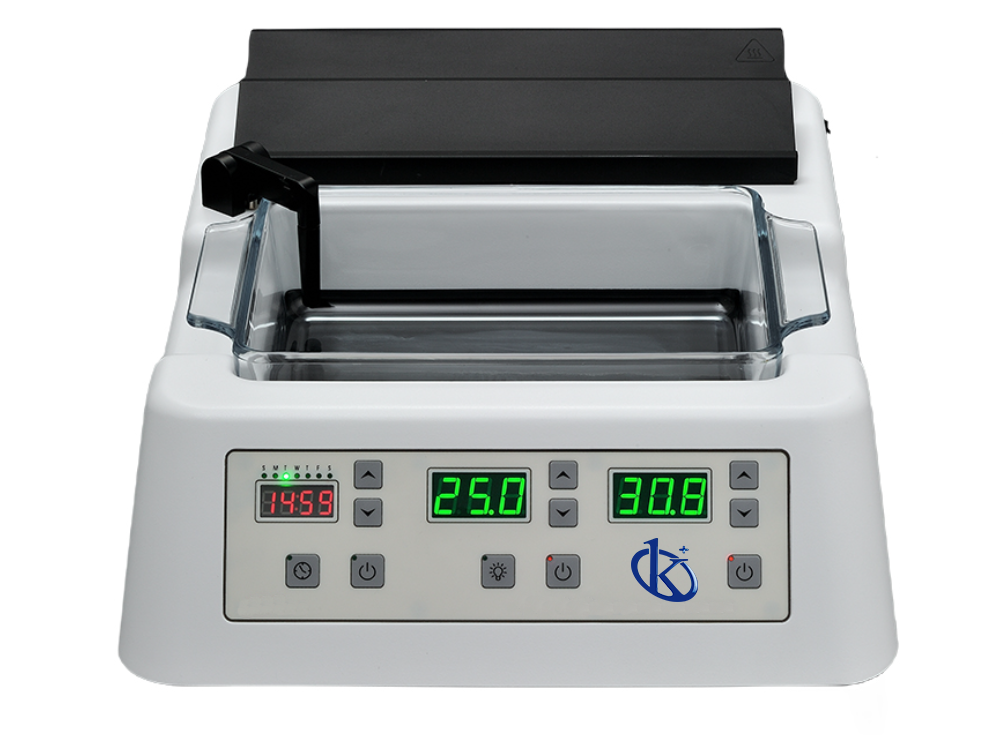
Optimizing Predictive Maintenance and Periodic Calibration for Tissue Flotation Workstations
Tissue flotation workstations play a pivotal role in pathological anatomy, specifically in the preparation of tissue samples for microscopic examination. As laboratory professionals, understanding the importance of predictive maintenance and periodic calibration in these devices is essential for ensuring optimal performance and reliability. In this article, we will explore strategies and best practices for maintaining and calibrating tissue flotation workstations, focusing on specific models and their capabilities.
Understanding Predictive Maintenance in Tissue Flotation
Predictive maintenance is an approach that utilizes data analytics and monitoring tools to predict equipment failures before they occur. This strategy is particularly relevant for tissue flotation workstations, which require precise temperature control and consistent performance to yield high-quality samples. By implementing predictive maintenance, laboratories can minimize downtime, extend the lifespan of their equipment, and improve overall workflow efficiency.
Periodic Calibration: Ensuring Accuracy and Compliance
Calibration is critical to maintaining the accuracy of tissue flotation workstations. Periodic calibration ensures that the equipment operates within specified tolerances, thus providing reliable results. Calibration should be performed according to a defined schedule based on the manufacturer's recommendations and industry standards. Regular checks can prevent drift in performance and ensure compliance with relevant regulations.
Comparison of Available Models
| Model | Temperature Range (Water Bath) | Temperature Range (Slide Dryer) | Price (USD) | Best For |
|---|---|---|---|---|
| YR457-1 | RT - 70℃ | RT - 100℃ | 1200.00 | Advanced predictive maintenance and calibration tasks |
| YR456 | Ambient - 70℃ | Ambient - 100℃ | 800.00 | General laboratory applications with solid performance |
| YR457 | Ambient - 70℃ | Ambient - 100℃ | 900.00 | High-volume testing environments |
Key Performance Indicators for Calibration
To effectively manage the calibration process, laboratories should establish key performance indicators (KPIs) such as Mean Time Between Failures (MTBF) and Mean Time To Repair (MTTR). Monitoring these metrics can help labs understand the reliability of their tissue flotation workstations and can inform maintenance schedules. For instance, if MTBF decreases significantly, it may indicate a need for more frequent calibrations.
Developing a Calibration Plan for Tissue Flotation Workstations
A well-defined calibration plan should include the following elements: frequency of calibration, methods used for calibration, documentation requirements, and personnel responsible for the process. For example, a laboratory may choose to calibrate their YR457-1 workstation quarterly, utilizing external standards to ensure accuracy. Keeping detailed records of each calibration session is crucial for compliance and operational efficiency.
Common Mistakes and How to Avoid Them
Laboratories can make several common mistakes regarding predictive maintenance and calibration. One frequent oversight is neglecting to document calibration results comprehensively, which can lead to compliance issues. Another error is failing to train staff adequately on the importance of maintaining equipment. To avoid these pitfalls, establish a clear protocol for documentation and invest in training programs for laboratory personnel.
Frequently Asked Questions
What are the benefits of predictive maintenance for tissue flotation workstations?
Predictive maintenance significantly reduces downtime and repair costs by forecasting equipment failures before they occur, which is essential for models like YR457-1 that require consistent performance in providing accurate tissue samples.
How often should I calibrate my tissue flotation workstation?
Calibration frequency depends on the model and usage intensity. For instance, the YR456 may require calibration every six months, while high-use models like YR457-1 may need quarterly calibrations to maintain accuracy.
Which standards should my tissue flotation workstation comply with?
Tissue flotation workstations should comply with ISO/IEC standards relevant to laboratory equipment. Regular calibration and maintenance help ensure compliance, particularly for models such as YR457, which are used in regulated environments.
What essential features to look for in a tissue flotation workstation?
Key features include precise temperature control, automatic memory functions, and easy-to-read displays. Models like YR457-1 provide excellent temperature control and automatic functions, making them ideal for demanding laboratory settings.
How can I reduce reagent waste in tissue flotation processes?
By optimizing temperature settings and ensuring proper maintenance of equipment like YR456, laboratories can minimize reagent waste, contributing to both cost savings and environmental sustainability.
What role does temperature control play in tissue flotation?
Temperature control is critical to prevent sample degradation during the flotation process. Models like YR457 provide excellent temperature stability, which is essential for producing high-quality results required in pathology.
How to train staff for effective maintenance of tissue flotation workstations?
Training should cover calibration protocols, maintenance checks, and troubleshooting procedures. Investing in training for all users will ensure models like YR457 are used to their fullest potential and maintained properly.
How can I track the performance of my tissue flotation workstation?
Establishing a performance tracking system that includes KPIs like MTBF for your workstation, such as YR457-1, will help identify trends and areas needing improvement, ensuring optimal lab operations.
If you are looking for a fusion of innovation and quality, you have come to the right place. At Kalstein, we offer you the luxury of exploring our exclusive catalog of laboratory equipment. We manufacture every device to the highest standards of excellence. Our intuitive and seamless online purchasing channels are designed for your convenience, securing the most competitive prices. Hesitate no longer — we bring science to life, it is time to become part of our community.