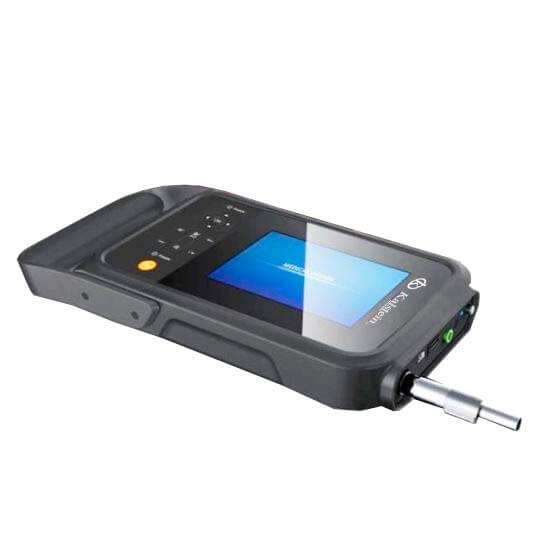
Ensuring Predictive Maintenance and Regular Calibration for Ultrasonic Diagnostic Equipment
Ultrasonic diagnostic equipment plays a pivotal role in numerous medical applications, particularly in obstetrics, gynecology, and veterinary practices. Ensuring effective predictive maintenance and regular calibration is essential for these devices to function at their best, thus guaranteeing accurate diagnostics and patient safety. In this article, we will delve into how different models of ultrasonic diagnostic equipment can support predictive maintenance and calibration, ensuring compliance with relevant industry standards.
Importance of Predictive Maintenance in Ultrasonic Diagnostic Equipment
Predictive maintenance involves a systematic approach to regularly monitoring the condition of ultrasonic diagnostic equipment to anticipate failures before they happen. This practice aids in minimizing unexpected downtime and prolonging the lifespan of the devices. The primary objective is to maintain optimal performance and ensure that the equipment remains compliant with applicable standards such as ISO 13485.
Implementing predictive maintenance strategies includes routine assessments, performance checks, and data analysis to predict potential malfunctions. Key performance indicators (KPIs) like Mean Time Between Failures (MTBF) and Mean Time to Repair (MTTR) are essential metrics used in measuring the efficiency of ultrasonic diagnostic equipment. For instance, utilizing the YR05146 model, which offers a lightweight design and a high-resolution display, allows for easier monitoring during routine checks.
Regular Calibration: Necessity for Accuracy
Calibration is the process of validating and adjusting the accuracy of ultrasonic diagnostic equipment to ensure precise measurements. This is particularly critical for models like the YR05147, which provide 2D and 3D imaging capabilities. Regular calibration checks help maintain the accuracy of diagnostic outcomes, ultimately impacting patient care and safety.
Calibration frequency can vary based on usage intensity and manufacturer recommendations. Establishing a calibration schedule is essential for all models. The YR05155 model, known for its linear probe capabilities, should undergo calibration checks at least every six months to ensure optimal performance.
Assessment of Failure Modes and Calibration Intervals
Understanding potential failure modes is crucial for maintaining ultrasonic diagnostic equipment. Common issues may stem from probe wear, software glitches, or display malfunctions. These factors necessitate that calibration and maintenance are prioritized. For example, the YR05155-1 model, with its integrated tablet, may require software updates alongside physical calibration to maintain its accuracy.
Calibration intervals are crucial. For the YR05147 model, a suggested timeline would be quarterly checks, particularly in high-use settings. This includes ensuring that the gain settings and image resolution are optimal, thereby enhancing overall diagnostic accuracy.
Traceability Standards in Calibration
Traceability in calibration ensures that the equipment's measurements are consistent with national or international standards. For ultrasonic diagnostic equipment, traceability involves documenting calibration processes and retaining records to demonstrate compliance with guidelines such as ISO 17025. Each model must have a calibration certificate that is traceable to a recognized standard, thereby ensuring reliability in diagnostics.
The YR05154 model, which caters to specialized veterinary needs, should provide clear documentation of its calibration status, thus supporting operational audits and compliance verification.
Common Calibration Strategies for Different Ultrasonic Models
When it comes to calibration strategies, each ultrasonic model may require specific approaches tailored to their design and usage. For instance, the calibration procedure for the YR05146 involves checking the image quality and ensuring that the probe functions correctly under various settings. Documentation of these checks ensures a high standard of practice is met.
Conversely, the YR05155-1 model, featuring a tablet integration, may necessitate a software verification procedure in addition to physical checks. Both hardware and software components must work in synergy to deliver accurate diagnostic results.
Comparison of Available Models
| Model | Weight (kg) | Battery Life (hours) | Price (USD) | Best For |
|---|---|---|---|---|
| YR05146 | 0.5 | 3 | 850.00 | General veterinary use |
| YR05147 | 3 | 1150.00 | Obstetrics and gynecology | |
| YR05154 | 850.00 | Specialized veterinary applications | ||
| YR05154-1 | 1150.00 | Tablet integration for portability | ||
| YR05155 | 950.00 | General diagnostic use | ||
| YR05155-1 | 1190.00 | Advanced diagnostics with tablet |
Common Mistakes and How to Avoid Them
One common mistake in maintaining ultrasonic diagnostic equipment is neglecting regular calibration schedules. Many laboratory professionals may overlook the importance of timely checks, believing that infrequent use negates the need for calibration. This assumption can lead to inaccurate diagnostics and potential legal implications.
Another mistake is failing to document maintenance and calibration processes. Without proper records, compliance with industry standards like ISO 13485 may be compromised. Therefore, it is essential to keep meticulous documentation for each model, detailing every calibration and maintenance action taken.
Frequently Asked Questions
How often should I calibrate an ultrasonic diagnostic device like the YR05147?
The YR05147 model should ideally be calibrated every three months, especially in busy clinical settings. Regular calibration ensures that the device produces accurate images for obstetric and gynecological applications, maintaining compliance with ISO standards.
What is the role of predictive maintenance in ultrasonic diagnostic equipment performance?
Predictive maintenance involves monitoring equipment condition to foresee failures, significantly enhancing the performance of ultrasonic models like the YR05155. By assessing metrics like MTBF and MTTR, laboratories can ensure their devices remain operational and compliant.
What documentation is required for the calibration of ultrasonic diagnostic models?
Each ultrasonic diagnostic model, including the YR05146, must have a calibration certificate traceable to national standards. Documentation should include calibration dates, equipment settings, and technician details to ensure compliance with ISO 17025.
How can I determine the best ultrasonic diagnostic equipment for my lab?
Choosing the right model, such as the YR05155-1 for its tablet integration, depends on your lab's specific needs. Consider factors like portability, battery life, and the specific applications required to ensure you select the most suitable equipment.
What impact does regular calibration have on diagnostic accuracy?
Regular calibration of models like the YR05154 ensures that diagnostic outputs remain precise and reliable. Without calibration, inaccuracies may arise, leading to erroneous clinical decisions and potential harm to patients.
How does the weight of ultrasonic diagnostic equipment influence its usability?
Models like the YR05146, which weigh just 0.5 kg, offer significant advantages in portability, making them ideal for veterinary settings where mobility is essential. Lightweight equipment facilitates easier transport and use in various clinical environments.
Which ultrasonic models provide the best battery life for extended use?
The YR05147 model features a built-in battery that can operate for over 3 hours, making it suitable for longer procedures. This extended battery life is critical in ensuring continuous operation during examinations without interruptions.
Why is traceability essential in the calibration of ultrasonic diagnostic equipment?
Traceability is crucial for models like the YR05155 to ensure compliance with international standards such as ISO 17025. It provides documentation that verifies the accuracy of measurements and the reliability of diagnostic outputs, essential in clinical practice.
If you are looking for a fusion of innovation and quality, you have come to the right place. At Kalstein, we offer you the luxury of exploring our exclusive catalog of laboratory equipment. We manufacture every device to the highest standards of excellence. Our intuitive and seamless online purchasing channels are designed for your convenience, securing the most competitive prices. Hesitate no longer — we bring science to life, it is time to become part of our community.