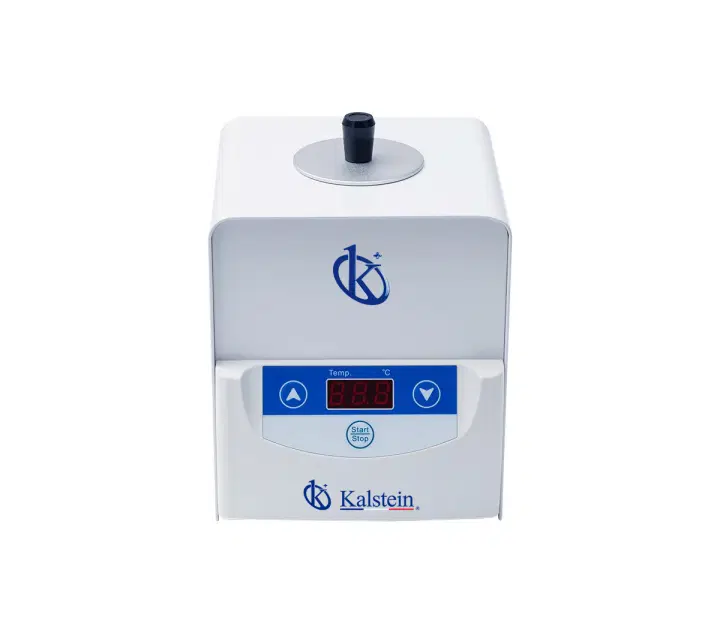
Understanding the Principle of Operation and Scientific Foundation of the YR05326 Glass Bead Sterilizer
The YR05326 Glass Bead Sterilizer is a vital tool in laboratory settings, offering rapid and effective sterilization of small experimental tools. This article delves into the operational principles and scientific foundations of this device, elucidating the technology that powers its exceptional performance.
Scientific Fundamentals of Sterilization
Sterilization is the process of eliminating all forms of life, including bacteria, viruses, and spores, from objects or surfaces. The YR05326 employs high-temperature glass beads as its primary medium for achieving this goal. Understanding the scientific principles behind this method is crucial for operators to appreciate its advantages and limitations.
The physical principle at play here involves the transfer of heat to the microorganisms present on the instruments placed in the sterilizer. Glass beads can reach temperatures of up to 300℃, which is sufficient to denature proteins and disrupt the cellular structures of microorganisms, ultimately leading to their death.
Key Specifications of the YR05326
| Specification | Details |
|---|---|
| Model | YR05326 |
| Voltage | AC100-120V/AC200-240V 50-60Hz |
| Temperature Range | 100~300℃ |
| Temperature Accuracy | ≤5℃ |
| Heating Rate | ≤25min (Room temperature to 300°) |
| Tank Dimension | φ40mm×80mm |
| Beads Capacity | 150g |
| Power | 120W |
| Dimensions (W×D×H) | 135×150×155(mm) |
Principle of Operation
The YR05326 operates through a straightforward yet effective mechanism. At the core of its functionality lies the heating of glass beads, which serve as the sterilizing medium. When the glass beads are heated to the appropriate temperature, they create a thermal environment that quickly and thoroughly sterilizes metallic and glass tools.
This device can achieve sterilization in as little as 10 seconds, making it highly efficient for laboratories where time is of the essence. The high temperature not only kills bacteria and spores but also ensures that no moisture is left on the instruments, which is a common issue with steam sterilization methods.
Design Choices and Their Implications
The design of the YR05326 has been meticulously engineered to optimize performance and safety. Its compact size allows for easy handling and storage, a critical factor in busy laboratory environments. The incorporation of high-performance heating elements ensures rapid attainment of sterilization temperatures without the risk of overheating, thanks to the built-in temperature control and over-temperature protection mechanisms.
Moreover, the capacity to sterilize a variety of tools—ranging from surgical tweezers to inoculation needles—makes this device versatile and indispensable for laboratory applications. The choice of materials and design reflects a focus on durability, ensuring that the sterilizer remains operationally reliable over time.
Comparison with Alternative Sterilization Methods
When evaluating sterilization options, the YR05326 stands out against traditional methods such as autoclaving and chemical sterilization. While autoclaves utilize steam under pressure, which can be cumbersome and time-consuming, the YR05326 offers a faster alternative without the need for additional water supply or complex setup.
Chemical sterilization methods, while effective, often leave residues that can interfere with subsequent experiments. In contrast, the glass bead sterilizer leaves tools dry and ready for immediate use, significantly enhancing laboratory efficiency. The absence of chemical agents also minimizes risks associated with chemical exposure, making the YR05326 a safer option for operators.
Frequently Asked Questions
What types of instruments can be sterilized using the YR05326?
The YR05326 is compatible with small metallic and glass tools, such as surgical tweezers, scissors, forceps, scalpels, inoculation rings, and needles. It is important to ensure that these instruments are suitable for high-temperature sterilization.
How long does it take for the YR05326 to sterilize instruments?
The YR05326 can sterilize small tools in approximately 10 seconds, making it one of the fastest sterilization methods available for laboratory use.
What is the maximum temperature that the YR05326 can reach?
The device can achieve a maximum temperature of 300℃, which is effective for eliminating a wide range of microorganisms including bacteria, spores, and viruses.
How do I maintain the YR05326 for optimal performance?
To maintain optimal performance, it is recommended to regularly check the heating elements, ensure the glass beads are clean and refill them as necessary. Also, following the manufacturer's guidelines for usage and care can prolong the lifespan of the sterilizer.
Is the YR05326 safe to use in a laboratory setting?
Yes, the YR05326 is designed with safety features such as over-temperature protection, making it safe for use in laboratory environments. However, standard laboratory safety protocols should always be observed while operating any sterilization equipment.
Can the YR05326 be used for sterilizing other materials besides metal and glass?
The YR05326 is specifically designed for metal and glass tools. Using it for other materials may not yield effective sterilization and could damage those materials.
Where can I request a quote for the YR05326?
You can request a quote for the YR05326 Glass Bead Sterilizer through our customer service channels to explore your purchasing options.
If you are looking for a fusion of innovation and quality, you have come to the right place. At Kalstein, we offer you the luxury of exploring our exclusive catalog of laboratory equipment. We manufacture every device to the highest standards of excellence. Our intuitive and seamless online purchasing channels are designed for your convenience, securing the most competitive prices. Hesitate no longer — we bring science to life, it is time to become part of our community.