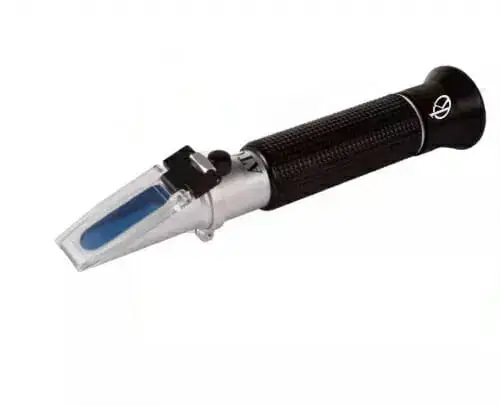
Regulatory Compliance in Laboratories: Navigating ISO/IEC Standards with Honey Refractometers
In the context of laboratory operations, regulatory compliance is a critical focus. Laboratories must adhere to various ISO/IEC standards to ensure the accuracy, reliability, and safety of their measurements and processes. Honey refractometers serve as essential tools in this regard, particularly in monitoring sugar concentrations in various food products. Understanding how these refractometers align with compliance requirements is vital for laboratory professionals.
Understanding ISO/IEC Standards Relevant to Laboratories
ISO/IEC standards, such as ISO 17025, provide a framework for laboratories to ensure their technical competence and the validity of their test results. Compliance with these standards not only enhances the credibility of laboratory operations but also ensures consistent quality management. Implementing these standards involves meticulous documentation, regular audits, and continuous improvement practices.
ISO 17025 and Honey Refractometers
ISO 17025 outlines the general requirements for the competence of testing and calibration laboratories. Honey refractometers, such as the YR05885 and YR05886 models, play a crucial role in this compliance, particularly when detecting sugar concentrations in honey and other sugar-related products. Ensuring accurate measurements and maintaining calibration records are fundamental to meeting the requirements of this standard.
How Honey Refractometers Help with Compliance
The integration of honey refractometers into laboratory processes aids in compliance with various ISO/IEC standards. For instance, these refractometers assist in verifying the quality and maturity of fruit products, ensuring that they meet specific regulatory criteria. The YR05885 model, with its capability to measure Brix levels from 58-92%, provides essential data that supports compliance with food safety regulations.
Comparison of Available Models
| Model | Measurement Range | Precision | Best Use Case |
|---|---|---|---|
| YR05885 | 58-92% Brix | ±0.5% Brix | Monitoring sugar content in honey |
| YR05885-1 | 58-92% Brix | ±0.5% Brix | Quality checking in food processing |
| YR05885-2 | 58-92% Brix | ±0.5% Brix | Fruit maturity testing |
| YR05886 | 10-30% Water | ±0.10% Water | Analyses in syrup manufacturing |
Common Mistakes and How to Avoid Them
Laboratories often encounter compliance challenges due to inadequate documentation and failure to maintain equipment properly. A common mistake is neglecting calibration schedules for refractometers. Ensuring regular calibration of honey refractometers, such as the YR05886, can prevent inaccuracies that compromise regulatory compliance. Laboratories should establish a strict maintenance and calibration routine to avoid these pitfalls.
Implications of Non-Compliance
Non-compliance with ISO/IEC standards can lead to significant repercussions, including loss of accreditation, legal liabilities, and damage to reputation. It is crucial for laboratories to employ tools like honey refractometers, which help maintain compliance by ensuring precise measurements of sugar content. This proactive approach not only enhances the laboratory's credibility but also supports the overall quality of products tested.
Best Practices for Maintaining Compliance
To achieve and maintain compliance with ISO/IEC standards, laboratories should adopt best practices that include strict adherence to testing protocols, regular training for personnel, and thorough documentation of all processes. Utilizing models like the YR05885-1 can help streamline these processes, ensuring that measurements are accurate and consistent across various tests.
Frequently Asked Questions
How can honey refractometers assist in ISO 17025 compliance?
Honey refractometers like the YR05885 are essential in ISO 17025 compliance by ensuring precise measurements of sugar concentrations. Accurate data is crucial for validating test results and meeting regulatory standards, enhancing laboratory credibility.
What are the best honey refractometer models for quality control in food testing?
The YR05886 model is ideal for quality control in food testing, measuring water content from 10-30%. This capability supports compliance with food safety regulations, ensuring product quality and safety for consumers.
Which ISO standards apply to honey refractometer operations in laboratories?
ISO 17025 is a primary standard that applies to honey refractometer operations, emphasizing the need for technical competence and valid test results. Adhering to this standard ensures reliable measurements in laboratory settings.
How often should honey refractometers be calibrated for compliance?
Calibration of honey refractometers should be conducted at regular intervals, ideally every 6 months or as per the manufacturer's recommendations. This practice ensures that models like the YR05885 provide accurate results, crucial for regulatory compliance.
What documentation is required for compliance with ISO/IEC standards?
Documentation required for compliance includes calibration records, maintenance logs, and testing protocols. Keeping detailed records of honey refractometer measurements, such as those from the YR05885-1, is vital for demonstrating compliance.
What role do honey refractometers play in food safety regulations?
Honey refractometers, such as the YR05886, play a critical role in food safety by ensuring accurate measurements of sugar content. This accuracy is essential for compliance with regulations that govern food quality and safety standards.
How can I ensure my laboratory meets ISO 15189 with honey refractometers?
To meet ISO 15189, laboratories should use honey refractometers like the YR05885 to ensure precise measurements and implement rigorous quality management practices. This approach helps maintain compliance with medical laboratory standards.
What are the consequences of using non-compliant honey refractometers?
Using non-compliant honey refractometers can lead to inaccuracies in testing results, which may result in regulatory penalties, loss of accreditation, and compromised consumer safety. Employing compliant models is crucial for laboratory integrity.
If you are looking for a fusion of innovation and quality, you have come to the right place. At Kalstein, we offer you the luxury of exploring our exclusive catalog of laboratory equipment. We manufacture every device to the highest standards of excellence. Our intuitive and seamless online purchasing channels are designed for your convenience, securing the most competitive prices. Hesitate no longer — we bring science to life, it is time to become part of our community.