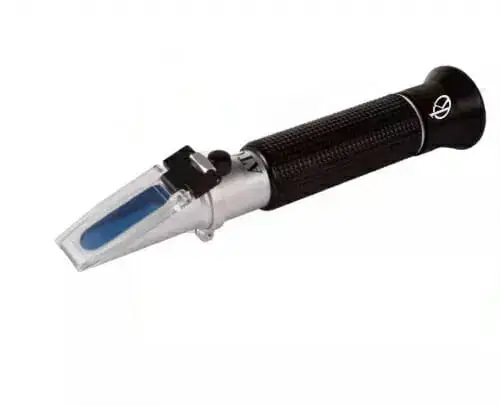
How to Ensure Regulatory Compliance with Wine Refractometers in Laboratories
In the world of laboratory testing, ensuring compliance with ISO/IEC standards is vital, especially when dealing with specialized instruments like wine refractometers. These tools are essential for measuring sugar content and alcohol levels in wine, making them crucial in the winemaking process. This article delves into how to navigate the regulatory landscape, ensuring that the use of wine refractometers meets necessary compliance standards. From understanding critical ISO norms to comparing different models, this guide is tailored for laboratory professionals aiming to enhance their practices.
Understanding ISO/IEC Standards Relevant to Wine Refractometers
ISO/IEC standards serve as a framework for ensuring quality, safety, and efficiency in laboratory practices. For wine refractometers, specific standards such as ISO 17025 (General requirements for the competence of testing and calibration laboratories) and ISO 15189 (Medical laboratories – Requirements for quality and competence) apply.
Compliance with ISO 17025 ensures that your laboratory produces valid and reliable test results. It focuses on maintaining a quality management system, which is crucial when utilizing instruments like the wine refractometer. ISO 15189, while more focused on medical applications, also emphasizes the importance of proper equipment calibration and maintenance, principles that are equally important in the context of wine analysis.
Comparison of Available Models
| Model | ISO/IEC Clauses Covered | Traceability Features | Best for |
|---|---|---|---|
| YR05931 | ISO 17025 | Manual calibration records | Basic wine testing |
| YR05932 | ISO 17025, ISO 15189 | Automated calibration logs | Quality control in wineries |
| YR05933 | ISO 17025 | Traceable calibration certificates | Advanced stability testing |
| YR05934 | ISO 17025 | Standard operating procedures | Research and development |
| YR05935 | ISO 17025 | Temperature compensation records | Field testing |
| YR05936 | ISO 17025, ISO 15189 | Digital traceability | High-volume testing |
Common Mistakes and How to Avoid Them
Even experienced laboratory professionals can make errors that compromise compliance with ISO/IEC standards. Here are some common pitfalls and strategies to avoid them:
- Ignoring Calibration: Regular calibration of instruments like the wine refractometer (e.g., YR05932) is essential. Establish a routine calibration schedule to maintain accuracy.
- Inadequate Documentation: Failure to maintain comprehensive records can lead to compliance issues. Ensure that all calibration and maintenance activities are documented in line with ISO 17025 requirements.
- Neglecting Staff Training: Regular training for staff on the operation of wine refractometers will help ensure they produce reliable results.
Traceability and Its Importance in Wine Refractometry
Traceability is a critical aspect of ensuring compliance with ISO/IEC standards. It refers to the ability to trace back the measurements made by a wine refractometer to national or international standards. For example, the YR05933 model offers traceable calibration certificates, which can help demonstrate compliance with ISO 17025.
Maintaining proper traceability not only helps in meeting regulatory requirements but also enhances the credibility of test results. Laboratories should implement a traceability system that includes a detailed log of calibration activities, measurement uncertainties, and the standards used for calibration.
Model-Specific Compliance Features
Each wine refractometer model on the market comes equipped with unique features that can aid in compliance with ISO/IEC standards:
- YR05931: This model provides basic functionality for alcohol measurement but lacks advanced calibration features.
- YR05932: With automatic temperature compensation (ATC) and digital logs, this model is ideal for quality control tasks in wineries.
- YR05934: It offers comprehensive testing capabilities, suitable for research purposes and compliance with strict regulations.
Documentation Requirements for Compliance
To ensure regulatory compliance, laboratories must maintain extensive documentation. This includes calibration records, standard operating procedures (SOPs), and validation protocols. For example, the YR05936 model’s ability to log temperature compensation can be documented to comply with ISO standards.
Additionally, having a detailed SOP in place for each model's operation can ensure consistency in results and facilitate compliance during audits.
Implementing an Effective Quality Management System
Establishing a robust quality management system (QMS) is essential for laboratories using wine refractometers. This system should integrate quality assurance, quality control, and continuous improvement strategies. Key components of a QMS include:
- Regular internal audits to assess compliance with ISO/IEC standards.
- Training programs for all laboratory personnel on the importance of regulatory compliance.
- Feedback mechanisms to address non-conformities and improve practices in real time.
Frequently Asked Questions
How do I choose a wine refractometer that meets ISO 17025 requirements?
To choose a wine refractometer that meets ISO 17025 requirements, consider models like YR05932, which includes features such as automatic temperature compensation and digital calibration logs, ensuring compliance with quality management practices.
What are the calibration requirements for wine refractometers under ISO standards?
Calibration requirements for wine refractometers under ISO standards necessitate regular checks and documentation of results. Models like YR05933 offer traceable calibration certificates, which enhance compliance and reliability of the testing process.
Which wine refractometer is best for meeting IEC compliance standards?
The YR05936 model stands out for meeting IEC compliance standards as it incorporates digital traceability and advanced calibration features, ensuring reliable results in line with regulatory requirements.
How can I maintain traceability with my wine refractometer?
Maintaining traceability can be achieved by using models such as YR05934, which provides detailed calibration logs. Keeping these records ensures compliance with ISO standards and enhances the credibility of your test results.
What common mistakes should I avoid when using wine refractometers?
Common mistakes include neglecting regular calibration and failing to document results. Using models like YR05932 can help mitigate these issues through built-in documentation features that streamline compliance processes.
How often should I calibrate my wine refractometer for optimal performance?
Calibration frequency largely depends on usage; however, a good practice is to calibrate before each use or at least monthly. Models like YR05931 should be regularly checked to maintain accuracy and compliance with ISO standards.
What is the role of documentation in regulatory compliance for wine analysis?
Documentation plays a vital role in regulatory compliance by providing proof of adherence to ISO standards. Proper logs, especially from models like YR05936, support traceability and quality assurance in laboratory practices.
How do I integrate my wine refractometer into a quality management system?
Integrating your wine refractometer into a quality management system involves establishing clear SOPs and regular calibration records. Models like YR05934 can help streamline this integration with their comprehensive documentation features.
If you are looking for a fusion of innovation and quality, you have come to the right place. At Kalstein, we offer you the luxury of exploring our exclusive catalog of laboratory equipment. We manufacture every device to the highest standards of excellence. Our intuitive and seamless online purchasing channels are designed for your convenience, securing the most competitive prices. Hesitate no longer — we bring science to life, it is time to become part of our community.