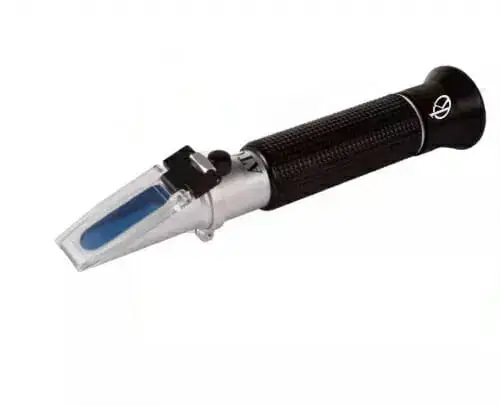
Maximizing ROI and Cost-Benefit Analysis for Car Refractometers in Laboratories
In today's laboratory environment, the demand for precise and efficient testing is critical. Car refractometers have become an indispensable tool for automotive and mechanical applications, especially in evaluating antifreeze concentrations and other related fluids. However, the choice of which model to invest in can significantly impact operational costs and return on investment (ROI). This article aims to provide laboratory professionals with an in-depth understanding of how to maximize ROI and conduct effective cost-benefit analyses when utilizing car refractometers, by comparing various models available in the market.
Understanding the Importance of ROI and Cost-Benefit Analysis in Laboratory Equipment
ROI is a crucial metric for laboratories investing in new equipment. For car refractometers, this means evaluating initial costs against potential long-term benefits such as improved accuracy, reduced waste, and lower operational costs. A thorough cost-benefit analysis should include the total cost of ownership (TCO), which encompasses purchase price, maintenance, and operational expenses over the equipment's lifespan.
Comparison of Available Models
| Model | Price (USD) | Measurement Range | Accuracy | Best Use Case |
|---|---|---|---|---|
| YR05916 | $9.50 | -60°C to 0°C | ±0.01sg | Measuring antifreeze concentrations in automotive fluids |
| YR05917 | $9.50 | -60°C to 0°C | ±0.01sg | Testing coolant for freezing point |
| YR05918 | $9.50 | -60°F to 32°F | ±0.01sg | Measurement of windshield washer fluid freezing point |
| YR05919 | $9.50 | -60°C to 0°C | ±0.01sg | Analyzing mixtures of ethylene glycol or propylene glycol |
| YR05920 | $9.50 | -60°C to 0°C | ±0.01sg | General purpose for automotive antifreeze testing |
| YR05921 | $9.50 | -60°C to 0°C | ±0.01sg | Specific tests for automotive cooling systems |
Key Factors Influencing ROI for Car Refractometers
When considering the investment in car refractometers, several factors can influence ROI:
- Initial Investment: The upfront cost of the refractometer can vary significantly. Models like the YR05916 and YR05917 are affordable at $9.50, making them accessible for most labs.
- Operational Efficiency: Evaluate how quickly and accurately the refractometer can perform tests. Faster throughput can lead to increased testing volumes and reduced labor costs.
- Durability and Maintenance: Consider the lifespan of the equipment and maintenance costs. Durable models may have a higher upfront cost but lower long-term maintenance expenses.
Calculating the Cost-Benefit of Car Refractometers
To effectively calculate the cost-benefit ratio, consider:
- Cost Per Test: Divide the total operational costs by the number of tests performed. This will give you a clear picture of how cost-effective each model is.
- Payback Period: Estimate how long it will take to recover your initial investment based on the cost savings generated by using the refractometer.
- Efficiency Metrics: Analyze the throughput improvements achieved by upgrading to a new model.
Common Mistakes and How to Avoid Them
When investing in car refractometers, laboratories often make mistakes that can lead to suboptimal ROI. Common errors include:
- Not Considering Total Cost of Ownership: Focusing only on the purchase price without considering long-term operational costs can mislead decision-making.
- Neglecting Calibration and Maintenance: Underestimating the need for regular calibration and maintenance can lead to inaccurate results and costly errors.
- Ignoring User Training: Failing to train personnel on proper usage may result in mishandling, which can impact the accuracy of tests.
Best Practices for Maximizing ROI
To ensure the best return on investment from car refractometers like the YR05920, laboratories should implement the following best practices:
- Regular Training: Ensure that staff are trained on the latest techniques for using refractometers effectively.
- Routine Calibration: Establish a calibration schedule that follows manufacturer recommendations to maintain accuracy and reliability.
- Monitor Usage and Performance: Keep track of performance metrics and usage patterns to optimize testing strategies.
Frequently Asked Questions
What is the average cost-benefit ratio for car refractometers in laboratories?
The average cost-benefit ratio for car refractometers like the YR05917 can be calculated by analyzing the total costs versus the savings from improved testing accuracy and reduced waste. Generally, models priced around $9.50 can yield substantial savings over time when used efficiently.
How does the YR05916 car refractometer improve testing efficiency?
The YR05916 car refractometer enhances testing efficiency by providing rapid measurements of antifreeze concentrations, which can streamline testing processes in laboratories and reduce turnaround times for results.
Which car refractometer model is best for automotive fluid testing?
The YR05919 model is particularly well-suited for automotive fluid testing, as it accurately measures concentrations of ethylene glycol and propylene glycol, essential for maintaining vehicle performance.
What factors should I consider for ROI when purchasing a car refractometer?
Key factors for ROI include initial cost, operating costs, maintenance needs, and the accuracy of testing. Models like the YR05920 should be evaluated based on these aspects to gauge potential returns.
How often should car refractometers be calibrated for optimal performance?
Car refractometers, such as the YR05918, should ideally be calibrated every six months, or more frequently if used in high-demand environments, to ensure accurate measurements and maintain compliance with testing standards.
What are the common applications of car refractometers in laboratories?
Common applications include testing the freezing point of antifreeze solutions and measuring concentrations of various automotive fluids. Models like the YR05921 are particularly effective for these tasks.
How can I reduce the operational costs of using a car refractometer?
Reducing operational costs can be achieved by optimizing testing processes, ensuring proper training for users, and using reliable models like the YR05917 that minimize errors and waste during testing.
Why is it important to conduct a cost-benefit analysis for car refractometers?
Conducting a cost-benefit analysis helps laboratories understand the financial implications of their equipment choices, such as the YR05920, ensuring that they make informed decisions that enhance productivity and profitability.
For further insights into optimizing laboratory equipment investment, feel free to request a quote on our exclusive range of car refractometers.
If you are looking for a fusion of innovation and quality, you have come to the right place. At Kalstein, we offer you the luxury of exploring our exclusive catalog of laboratory equipment. We manufacture every device to the highest standards of excellence. Our intuitive and seamless online purchasing channels are designed for your convenience, securing the most competitive prices. Hesitate no longer — we bring science to life, it is time to become part of our community.