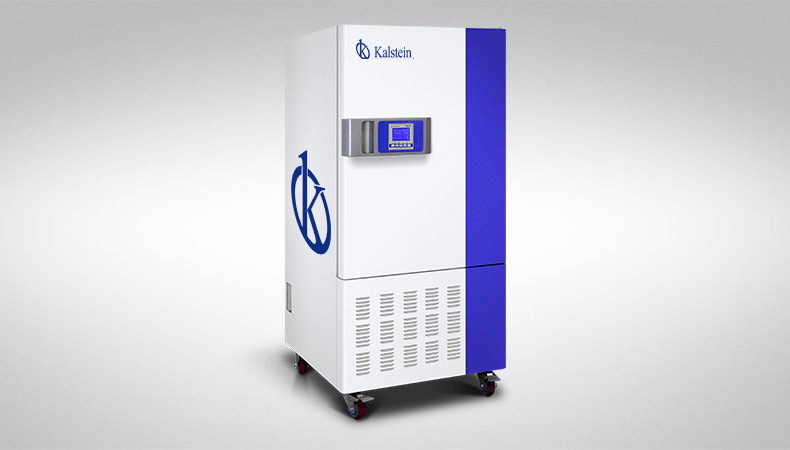
Understanding ROI and Cost-Benefit Analysis for Comprehensive Drug Stability Test Chambers
Laboratories continually seek ways to enhance operational efficiency, minimize costs, and maximize return on investment (ROI). One critical area in this pursuit is the utilization of Comprehensive Drug Stability Test Chambers. These chambers play a vital role in pharmaceutical companies by ensuring the stability of drugs under various environmental conditions. This article will delve into the financial metrics associated with these chambers, exploring their ROI and conducting a thorough cost-benefit analysis across several models.
The Importance of ROI in Laboratory Equipment Acquisition
Calculating ROI helps laboratories assess the financial viability of their investments in equipment like Comprehensive Drug Stability Test Chambers. By understanding the potential returns from such investments, laboratories can make informed decisions about which models to acquire and how to optimize their usage.
Cost-Benefit Analysis Framework for Drug Stability Test Chambers
A comprehensive cost-benefit analysis involves evaluating the initial capital expenditure (CAPEX) against operational costs (OPEX) and the expected returns from investment. This framework allows laboratory managers to compare different models and determine the best option based on their specific testing needs and financial capabilities.
Comparison of Available Models
| Model Code | CAPEX (USD) | Cost per Test (USD) | Payback Period (Months) | Recommended Scenario |
|---|---|---|---|---|
| YR05354 | 2940.00 | 50.00 | 12 | Small laboratories testing a limited number of samples |
| YR05355 | 3500.00 | 45.00 | 10 | Medium-sized labs requiring moderate testing throughput |
| YR05356 | 4910.00 | 40.00 | 8 | Large laboratories with high-volume testing needs |
Factors Influencing ROI for Stability Test Chambers
Several factors can influence the ROI of Comprehensive Drug Stability Test Chambers, including the cost of operation, the frequency of use, and the importance of regulatory compliance. Each model offers unique specifications that can impact both CAPEX and OPEX, ultimately affecting the ROI calculations.
Operational Costs: Analyzing OPEX and Maintenance
Ongoing operational costs for drug stability chambers include energy consumption, maintenance, and labor. Keeping these costs in check is crucial for maximizing ROI. Each model has distinct energy needs and maintenance schedules, which should be evaluated when considering the long-term investment.
Common Mistakes and How to Avoid Them
When purchasing Comprehensive Drug Stability Test Chambers, laboratories often make common mistakes, such as not considering future scalability or neglecting to perform a thorough cost-benefit analysis. By avoiding rushed decisions and ensuring comprehensive evaluations, laboratories can ensure that they select the best models for their needs.
Frequently Asked Questions
What is the average ROI for Comprehensive Drug Stability Test Chambers?
The average ROI for Comprehensive Drug Stability Test Chambers varies but can often be calculated based on models like YR05355, where a payback period of around 10 months is typical for medium-sized laboratories. This quick return on investment enhances operational efficiency for labs.
How can I reduce costs associated with drug stability testing?
Cost reduction can be achieved by selecting efficient models such as YR05356, which offers lower operational costs through energy efficiency. Additionally, evaluating the frequency of testing and optimizing batch sizes can lower overall costs.
Which model is best for high-volume drug testing?
For high-volume drug testing, the YR05356 model is recommended due to its robust specifications and efficient operation. Its features are tailored to meet the demands of larger laboratories, supporting extensive testing needs effectively.
What are the key factors affecting the cost per test in stability chambers?
Key factors that affect the cost per test in stability chambers include the initial acquisition cost, energy consumption, and maintenance requirements. For instance, the YR05355 model offers competitive cost per test metrics, making it suitable for medium-sized labs.
How do I evaluate the long-term benefits of stability testing equipment?
To evaluate long-term benefits, consider both the CAPEX and OPEX across different models like YR05354 and YR05355. Analyzing expected returns based on throughput and regulatory compliance can provide a clearer picture of long-term advantages.
What metrics should I use to assess the efficiency of stability chambers?
Metrics such as temperature uniformity, energy consumption, and operational downtime are critical when assessing the efficiency of stability chambers. Models like YR05356 excel in these areas, providing comprehensive data for laboratory managers.
How important is regulatory compliance in choosing a stability test chamber?
Regulatory compliance is crucial in choosing a stability test chamber, as it affects product reliability and marketability. Models such as YR05355 are designed to meet stringent regulations, ensuring your testing meets required standards.
What maintenance practices should I implement for stability test chambers?
Implementing regular maintenance practices such as calibration, cleaning, and performance checks is essential for longevity. For example, the YR05354 model requires routine checks to ensure it operates within specified parameters, enhancing reliability.
If you are looking for a fusion of innovation and quality, you have come to the right place. At Kalstein, we offer you the luxury of exploring our exclusive catalog of laboratory equipment. We manufacture every device to the highest standards of excellence. Our intuitive and seamless online purchasing channels are designed for your convenience, securing the most competitive prices. Hesitate no longer — we bring science to life, it is time to become part of our community.