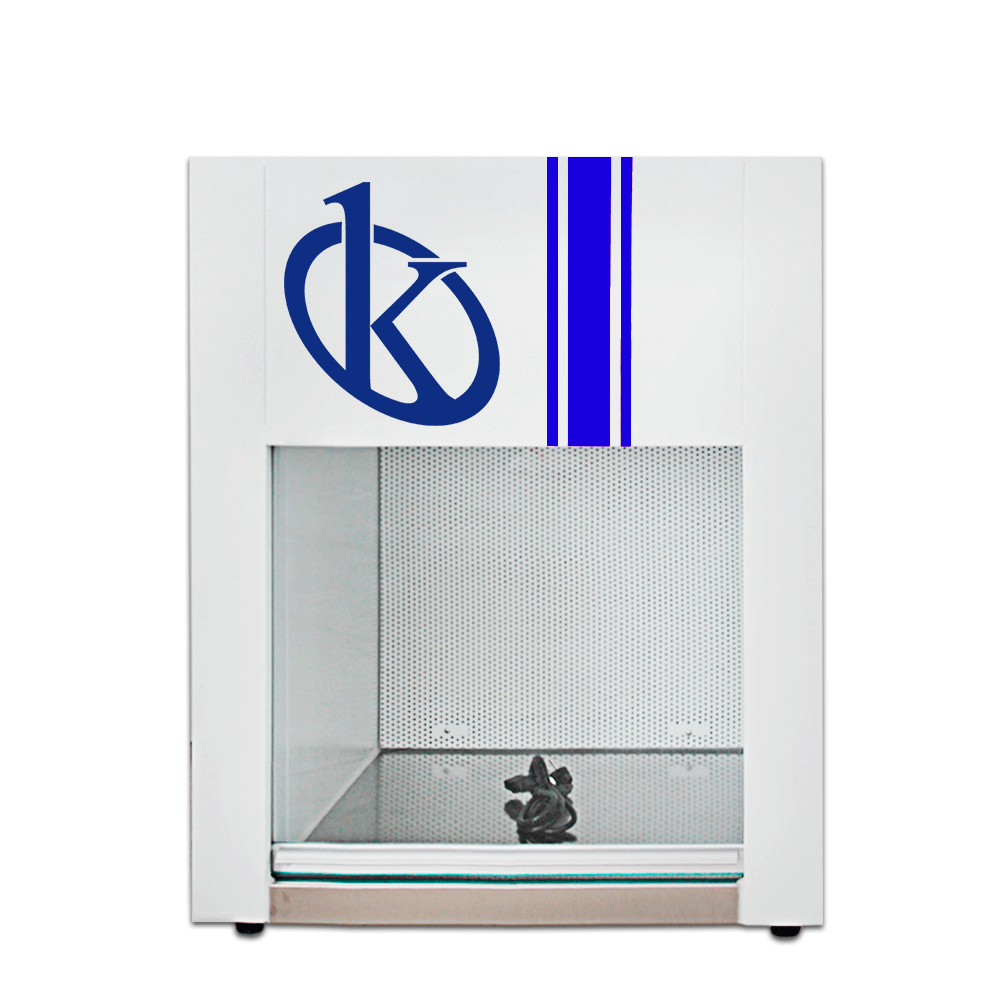
How to Analyze ROI and Cost-Benefit for Horizontal Laminar Flow Clean Benches?
In today's laboratory environment, the investment in equipment like Horizontal Laminar Flow Clean Benches necessitates a thorough analysis of both return on investment (ROI) and cost-benefit. Evaluating these factors is crucial to ensure that laboratories make informed decisions that align with their operational goals and financial constraints. This article delves into various models, their implications in laboratory settings, and how to effectively assess their ROI and cost-benefit metrics.
Understanding ROI in Laboratory Equipment
ROI is a performance measure used to evaluate the efficiency of an investment, calculated by dividing the net profit of an investment by the initial cost. For lab professionals, understanding the ROI of Horizontal Laminar Flow Clean Benches involves analyzing factors such as the cost of purchase, maintenance, and the value of improved lab efficiency and safety. The investment in higher-quality models could lead to reduced contamination risks, which can further justify higher initial costs over time.
Cost-Benefit Analysis for Horizontal Laminar Flow Clean Benches
The cost-benefit analysis compares the costs associated with the purchase and operation of Horizontal Laminar Flow Clean Benches against the benefits they provide. Factors to consider include operational savings, increased productivity, and the reduction of potential contamination risks. Each model has unique specifications that contribute differently to overall lab productivity and safety, making a detailed comparison essential.
Comparison of Available Models
| Model | CAPEX (USD) | Cost per Test (USD) | Payback Period (Months) | Recommended Scenario |
|---|---|---|---|---|
| YR05723 | 240 | 0.30 | 6 | Small labs with low throughput |
| YR05724 | 300 | 0.25 | 5 | Medium-sized facilities |
| YR05726 | 420 | 0.20 | 4 | High-throughput labs |
| YR05727 | 650 | 0.15 | 3 | Research-focused environments |
| YR05728 | 660 | 0.12 | 2 | Advanced laboratories requiring high cleanliness |
| YR05729 | 1020 | 0.10 | 1 | Large labs with extensive testing needs |
Key Factors Affecting ROI
Several elements significantly influence the ROI of Horizontal Laminar Flow Clean Benches. These include:
- Initial Purchase Cost: The upfront cost is a primary consideration. Models like YR05729, though more expensive, offer advanced features that may lead to higher long-term savings.
- Operational Costs: Regular maintenance and energy consumption can impact overall expenditures. Efficient models help minimize these costs.
- Productivity Gains: Increased throughput and reduced contamination improve lab efficiency, directly affecting profitability.
- Compliance and Safety: Meeting industry standards can prevent costly fines and contamination incidents.
Operational Savings from Improved Efficiency
Investing in superior Horizontal Laminar Flow Clean Benches like YR05727 can lead to substantial operational savings. These benches improve sample integrity and reduce the need for retesting due to contamination. Analyzing the frequency of errors in testing before and after implementation can provide quantitative data supporting the investment.
Payback Period Considerations
The payback period is a crucial metric for laboratory managers when considering new equipment. For Horizontal Laminar Flow Clean Benches, the payback period can vary significantly based on the model. For example, YR05729, with its higher initial cost, offers a shorter payback period due to its operational savings and efficiency improvements, making it an attractive option for larger labs.
Common Mistakes and How to Avoid Them
When evaluating ROI and cost-benefit for Horizontal Laminar Flow Clean Benches, common mistakes can derail the decision-making process:
- Overlooking Total Cost of Ownership: Focusing solely on initial costs can be misleading. Consider long-term operational costs.
- Ignoring Compliance Needs: Ensure that the chosen model meets necessary industry standards, as non-compliance can lead to costly penalties.
- Neglecting User Training: Proper training ensures optimal use of equipment, which is vital to realizing the full benefits of the investment.
Frequently Asked Questions
What factors should I consider when evaluating ROI for a horizontal laminar flow clean bench?
When evaluating ROI for a horizontal laminar flow clean bench, consider the initial purchase cost, operational costs, and the increase in productivity. For instance, the YR05726 model, while priced at $420, could lead to significant savings through reduced contamination and retesting.
How does the YR05729 model contribute to cost savings in a laboratory?
The YR05729 model provides enhanced operational efficiency that reduces contamination risks, leading to lower costs associated with retesting and compliance. Its efficient design allows it to handle higher workloads, making it a worthwhile investment for busy laboratories.
What is the typical payback period for horizontal laminar flow clean benches?
The typical payback period for horizontal laminar flow clean benches can vary; however, models like the YR05724 often show a payback period of around 5 months due to their cost-effective operational performance and reliability.
Which horizontal laminar flow clean bench is best for high-throughput laboratories?
For high-throughput laboratories, the YR05726 model is highly recommended due to its superior airflow management and low cost per test, facilitating faster processing without compromising on safety standards.
How much does maintenance impact the cost of a horizontal laminar flow clean bench?
Maintenance significantly impacts the overall cost of horizontal laminar flow clean benches. Regular maintenance ensures optimal performance and compliance, reducing the likelihood of costly downtime. Models such as the YR05728 require planned maintenance schedules to maximize their lifespan and performance.
What are the benefits of the YR05727 model for research-focused environments?
The YR05727 model is ideal for research environments due to its advanced features, including enhanced filtration and automation options, which help maintain a clean workspace while increasing research productivity and reliability.
How can I assess the energy consumption of a horizontal laminar flow clean bench?
Energy consumption assessments for horizontal laminar flow clean benches can be conducted by reviewing the specifications of each model. For example, the YR05729 operates efficiently with a maximum power consumption of only 640W, making it suitable for energy-conscious labs.
If you are looking for a fusion of innovation and quality, you have come to the right place. At Kalstein, we offer you the luxury of exploring our exclusive catalog of laboratory equipment. We manufacture every device to the highest standards of excellence. Our intuitive and seamless online purchasing channels are designed for your convenience, securing the most competitive prices. Hesitate no longer — we bring science to life, it is time to become part of our community.