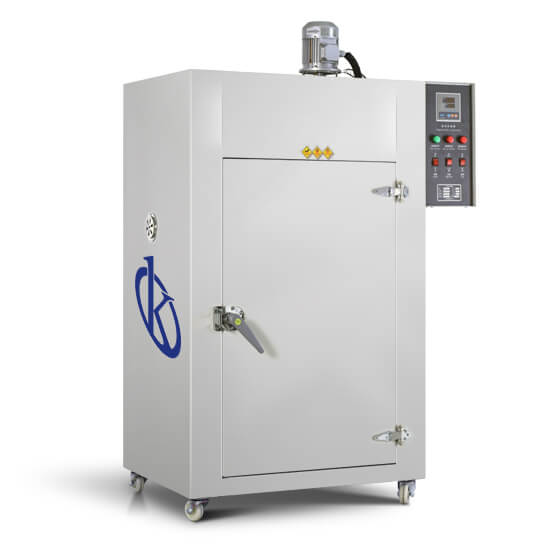
Understanding Return on Investment and Cost-Benefit Analysis for Industrial Ovens
In laboratory environments, industrial ovens play a critical role in processes such as material testing, drying, and sterilization. However, the decision to invest in an industrial oven goes beyond mere acquisition; it necessitates a thorough understanding of the return on investment (ROI) and a detailed cost-benefit analysis (CBA). This article will provide insights into evaluating the financial implications of various models, enabling laboratory professionals to make informed decisions.
Framing the Industrial Ovens Within ROI and CBA
Industrial ovens are essential for maintaining efficiency and productivity in laboratory settings. When assessing their value, laboratory professionals must evaluate both direct and indirect costs associated with their operation. Effective ROI and CBA will not only consider the initial purchase price but also factors such as energy consumption, maintenance, and operational longevity.
Comparison of Available Models
| Model | CAPEX (USD) | Cost per test | Payback Period (months) | Recommended Scenario |
|---|---|---|---|---|
| YR05256-A | 580 | 0.50 | 12 | Small to medium-scale drying operations |
| YR05257-1-A | 1010 | 0.75 | 15 | Medium to large-scale industrial processes |
| YR05258-SS | 860 | 0.65 | 14 | Multi-purpose drying in laboratories |
| YR05259-1-SS | 1510 | 1.00 | 18 | High-capacity production environments |
Key Factors in Calculating ROI for Industrial Ovens
To effectively calculate ROI for industrial ovens, laboratory professionals must analyze both the initial capital expenditure (CAPEX) and the operational costs (OPEX). The CAPEX includes the purchase price and installation costs, while OPEX involves energy consumption, maintenance, and any consumables associated with the oven's operation.
For instance, the YR05256-A model has a purchase price of $580, and operational costs can be as low as $0.50 per test, making it a viable option for small to medium-scale operations. In contrast, the YR05259-1-SS, with a purchase price of $1510, may be better suited for high-capacity needs despite a higher cost per test.
Understanding Cost-Benefit Analysis for Industrial Ovens
The cost-benefit analysis (CBA) for industrial ovens involves a comprehensive assessment of the expected benefits against the costs incurred. Benefits may include increased productivity, improved quality of results, and enhanced compliance with industry standards. By evaluating these factors, laboratories can justify the investment in state-of-the-art industrial ovens.
For example, the YR05257-1-A model, at a cost of $1010, provides a significant benefit for medium to large-scale processes through its increased capacity, potentially resulting in savings and efficiencies that outweigh its initial cost over time.
Energy Consumption and Its Impact on ROI
One of the major ongoing costs associated with industrial ovens is energy consumption. Laboratory professionals must consider the kilowatt-hours (kWh) used per run when calculating ROI. Efficient ovens, such as the YR05258-SS, which minimizes energy use while maximizing thermal efficiency, significantly reduce long-term operational costs, enhancing overall ROI.
Maintenance Costs and Their Role in Investment Decisions
Regular maintenance is crucial to ensure that industrial ovens operate efficiently and effectively. Maintenance costs can vary significantly based on model and usage. Lab managers should factor these costs into their ROI calculations. For instance, the YR05256-A requires minimal maintenance, making it a cost-effective choice for laboratories that prioritize low upkeep costs.
Common Mistakes and How to Avoid Them
When evaluating industrial ovens for purchase, some common mistakes can mislead financial assessments. One common mistake is failing to account for total ownership costs, including maintenance and energy consumption. Another is not conducting a thorough comparison of model specifications and performance metrics. To avoid these pitfalls, laboratory professionals should compile comprehensive data sheets and review user feedback.
Frequently Asked Questions
What is the average ROI for industrial ovens in laboratory settings?
The average ROI for industrial ovens can vary significantly; for example, the YR05257-1-A model may provide a payback period of around 15 months, given its $1010 purchase price and potential savings in operational costs.
How do I calculate the total cost of ownership for an industrial oven?
Total cost of ownership includes initial purchase price, energy consumption, and maintenance costs. For instance, the YR05258-SS model, priced at $860, may incur lower operational costs, making it a cost-effective option in the long run.
Which model of industrial oven offers the best energy efficiency?
The YR05256-A model is known for its efficient power usage, making it a suitable candidate for laboratories aiming to minimize energy costs and enhance ROI.
How do maintenance costs impact the ROI of industrial ovens?
Maintenance costs directly affect ROI by influencing the total cost of ownership. For example, the YR05257-1-A has lower maintenance needs, contributing positively to its overall ROI calculations.
What are key factors to consider when analyzing industrial ovens for purchase?
Key factors include initial cost, energy consumption, maintenance requirements, and expected lifespan. For instance, the YR05259-1-SS is optimal for high-capacity environments, affecting its ROI positively despite its higher price.
How can I determine the best industrial oven for my laboratory needs?
Assess the specific requirements of your lab, including throughput and application needs. The YR05256-A model is ideal for smaller labs, while the YR05259-1-SS suits larger operations.
What is the average lifespan of an industrial oven and its impact on ROI?
Typically, industrial ovens have a lifespan of 10-15 years. Models like the YR05258-SS may offer better durability, significantly improving ROI through prolonged use.
Why is energy consumption critical in ROI calculations for industrial ovens?
Energy consumption impacts operational costs, which are critical in ROI calculations. Efficient models, such as the YR05256-A, help ensure a favorable ROI by reducing energy expenses.
If you are looking for a fusion of innovation and quality, you have come to the right place. At Kalstein, we offer you the luxury of exploring our exclusive catalog of laboratory equipment. We manufacture every device to the highest standards of excellence. Our intuitive and seamless online purchasing channels are designed for your convenience, securing the most competitive prices. Hesitate no longer — we bring science to life, it is time to become part of our community.