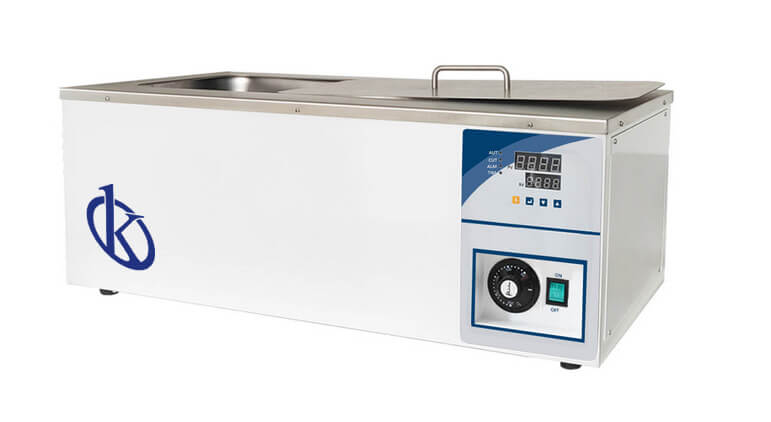
Maximizing ROI and Cost-Benefit Analysis for Oil Baths in Laboratories
In the laboratory environment, choosing the right equipment is critical for achieving operational efficiency and financial viability. Oil baths, widely used in medical, bioengineering, and chemical applications, play a vital role in maintaining precise temperature control necessary for various experimental processes. This article will guide laboratory professionals through strategies to maximize return on investment (ROI) and perform a comprehensive cost-benefit analysis of oil baths, focusing on multiple models available in the market.
Understanding the Importance of ROI in Laboratory Equipment
ROI, or return on investment, is a key performance indicator that helps laboratories evaluate the profitability of their investments, including equipment like oil baths. Calculating ROI involves comparing the financial gains from using the equipment against its overall costs, including purchase price, maintenance, and operational expenses. By understanding how to calculate and optimize ROI, laboratories can make informed purchasing decisions that contribute to long-term sustainability and efficiency.
Key Factors Influencing Cost-Benefit Analysis for Oil Baths
When conducting a cost-benefit analysis for oil baths, several key factors must be considered:
- Initial Investment: The purchase price of the oil bath.
- Operational Costs: Energy consumption and maintenance costs over time.
- Efficiency Gains: Increased throughput and reduced downtime as a result of using high-quality equipment.
- Long-term Benefits: Longevity, reliability, and how well the equipment meets laboratory standards and requirements.
Models of Oil Baths in Focus
Four models of oil baths are analyzed here, each offering unique features that can impact ROI and cost-effectiveness in laboratory applications:
- Oil Bath YR04973: Suitable for various applications including bioengineering and chemical processing, it features a precise temperature range of RT +5~250°C and a power rating of 1000W. Ideal for laboratories requiring stable and controlled temperatures.
- Oil Bath YR04974: This model offers slightly higher power at 1200W and similar temperature controls, making it efficient for medium-to-large laboratory setups.
- Oil Bath YR04975: With a power rating of 1600W, it is designed for high-demand scenarios where quick temperature adjustments are necessary.
- Oil Bath YR04976: The most powerful option at 2000W, perfect for intensive lab operations requiring rapid heating and precision.
Comparison of Available Models
| Model | CAPEX (USD) | Power (W) | Temperature Range (°C) | Best For |
|---|---|---|---|---|
| YR04973 | 150.00 | 1000 | RT +5~250 | Small laboratories |
| YR04974 | 165.00 | 1200 | RT +5~250 | Medium laboratories |
| YR04975 | 192.00 | 1600 | RT +5~250 | High-demand labs |
| YR04976 | 250.00 | 2000 | RT +5~250 | Intensive operations |
Common Mistakes and How to Avoid Them
When selecting an oil bath, common mistakes include underestimating operational costs, neglecting to consider the specific application needs, or failing to evaluate the long-term benefits. To avoid these pitfalls, laboratories should:
- Conduct thorough market research and compare specifications.
- Analyze total cost of ownership rather than just initial purchase price.
- Consider future scalability and operational flexibility.
Calculating ROI for Oil Baths
To effectively calculate ROI for oil baths, laboratories must factor in both direct and indirect costs. The ROI formula can be expressed as:
ROI = (Net Profit / Cost of Investment) x 100
Net Profit can be determined by assessing the increase in productivity and reduction in material costs attributed to the oil bath usage.
Real-World Scenarios for ROI Calculation
Consider a laboratory investing in the Oil Bath YR04975, priced at $192. If this bath increases production efficiency, allowing the lab to handle an additional 100 tests per month at a revenue of $10 per test, the calculations would be:
Net Profit = Additional Revenue - Operating Costs
By calculating net profit over a defined period, the laboratory can assess the payback period effectively.
Frequently Asked Questions
What is the average ROI for oil baths in laboratory settings?
The average ROI for oil baths can vary significantly, but models like the YR04974, with a lower initial investment of $165, can yield substantial returns in productivity, especially in medium-sized labs.
How can oil baths improve lab efficiency and productivity?
Oil baths like the YR04976 can enhance lab efficiency by providing stable temperature control, which is crucial for sensitive experiments. This stability reduces errors and increases throughput in testing procedures.
Which features should I look for in an oil bath for cost-benefit analysis?
When analyzing costs, features such as power output, temperature range, and operational efficiencies are critical. For instance, the YR04975 offers 1600W, which can significantly reduce heating times compared to lower-powered models.
What operational savings can I expect from investing in an oil bath?
Operational savings from an oil bath stem from improved energy efficiency and reduced downtime. For example, the YR04973, with its 1000W power, can help minimize energy costs while maintaining high accuracy in temperature control.
How do I calculate the cost per test using an oil bath?
To calculate cost per test, divide total operational expenses, including energy and maintenance, by the number of tests performed. For a lab using the YR04974, the initial cost of $165 should be spread over its expected usage to determine this metric accurately.
In what scenarios should I choose a high-power oil bath model?
High-power models like the YR04976 are ideal for scenarios requiring rapid temperature changes or large volumes of samples. Their higher wattage allows for quicker heating, thus improving lab throughput during peak times.
What maintenance costs should I be aware of for oil baths?
Maintenance costs can include routine checks for temperature calibration and contamination risks. Regular maintenance of models such as the YR04975 helps ensure optimal performance, thus supporting long-term ROI.
How does the choice of oil bath impact laboratory compliance with standards?
Choosing the right oil bath, such as the YR04974, that offers precise temperature control can help labs comply with industry standards and regulations, which is crucial for meeting quality assurance requirements.
If you are looking for a fusion of innovation and quality, you have come to the right place. At Kalstein, we offer you the luxury of exploring our exclusive catalog of laboratory equipment. We manufacture every device to the highest standards of excellence. Our intuitive and seamless online purchasing channels are designed for your convenience, securing the most competitive prices. Hesitate no longer — we bring science to life, it is time to become part of our community.