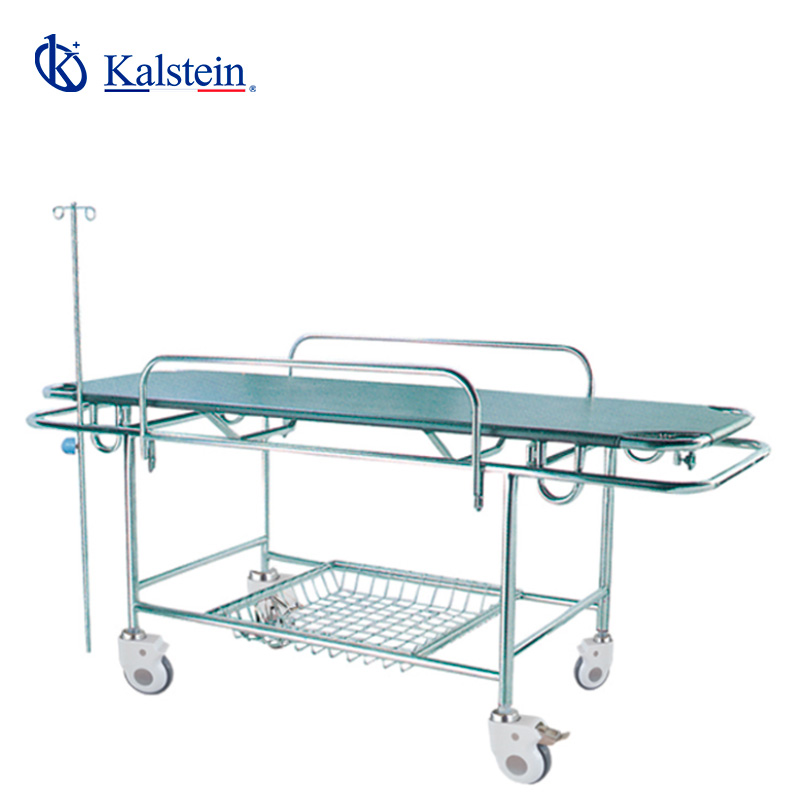
Site Requirements and Environmental Conditions for the YR06285 Emergency Stainless-Steel Stretcher
The YR06285 Emergency Stainless-Steel Stretcher is designed for rapid patient transport in critical conditions. To ensure optimal performance and safety, it is crucial to understand the site requirements and environmental conditions necessary for its operation. This article will delve into the technical specifications and environmental considerations that facilitate the effective use of the YR06285 stretcher in hospital settings.
Technical Overview of the YR06285
| Model | YR06285 |
|---|---|
| Size (L*W*H) | 190*63*80cm |
| Materials | Stainless Steel |
| Type of Stretcher | Removable |
| Weight | 56kg |
Key Environmental Conditions for the YR06285
The YR06285 stretcher must be used in environments that meet specific criteria to ensure its proper functioning. These conditions include temperature ranges, humidity levels, and overall site preparation.
Temperature and Humidity Ranges
The stretcher should be operated in areas where temperatures range from 15°C to 35°C (59°F to 95°F). Excessive heat or cold can affect both the materials and mechanisms involved in the stretcher's operation. Additionally, humidity levels should be maintained between 30% and 70% to prevent corrosion and ensure the integrity of the stainless steel construction.
Electrical and Mechanical Requirements
As the YR06285 does not require any electrical power for its basic operations, it is essential to ensure the environment is free from any debris and hazards that might obstruct the mechanical operation. The location should be flat and firm to facilitate smooth transport of the stretcher.
Site Preparation Checklist
| Preparation Item | Description |
|---|---|
| Clear Pathways | Ensure all pathways are free of obstacles to allow for rapid transport. |
| Secure Storage | Provide secure storage for the stretcher when not in use to prevent unauthorized access. |
| Ventilation | Maintain adequate ventilation in the area to prevent overheating during extended use. |
| Training | Ensure all operators are trained in the proper use and maintenance of the stretcher. |
Common Mistakes in Site Preparation
Ensuring the appropriate site conditions is vital for the effective operation of the YR06285 stretcher. Here are common mistakes to avoid:
- Ignoring Environmental Controls: Failing to monitor temperature and humidity can lead to deterioration.
- Obstructing Pathways: Leaving clutter in transport pathways can delay response times during emergencies.
- Inadequate Training: Not properly training staff on the stretcher's operation can lead to misuse and decreased effectiveness.
Frequently Asked Questions
What are the ideal temperature conditions for using the YR06285 stretcher?
The ideal temperature range for using the YR06285 stretcher is between 15°C and 35°C (59°F to 95°F). This range ensures that the materials perform optimally without risk of damage.
How can humidity affect the YR06285 stretcher?
Excess humidity can lead to corrosion of the stainless steel components, while too little humidity can result in brittleness. It is vital to maintain humidity levels between 30% and 70% for optimal performance.
What is the recommended storage procedure for the stretcher?
The stretcher should be stored in a clean, dry area that is free from hazards. It should also be secured to prevent unauthorized access and potential misuse.
How important is training for staff using the YR06285 stretcher?
Training is crucial for ensuring that all staff can operate the stretcher effectively and safely. Proper training minimizes the risk of accidents and maximizes the stretcher’s utility in emergency situations.
What mechanical maintenance does the YR06285 require?
The stretcher requires periodic checks for any signs of wear, ensuring that all moving parts function smoothly, and confirming that the stainless steel is free from corrosion.
Can the YR06285 be used in outdoor environments?
The YR06285 is primarily designed for indoor use in hospital environments. If used outdoors, it should be protected from extreme weather conditions that can affect its performance.
What should be done if the stretcher shows signs of damage?
If the stretcher shows signs of damage, it should be taken out of service immediately, reported to maintenance personnel, and assessed for repairs to prevent any operational risks.
If you are looking for a fusion of innovation and quality, you have come to the right place. At Kalstein, we offer you the luxury of exploring our exclusive catalog of laboratory equipment. We manufacture every device to the highest standards of excellence. Our intuitive and seamless online purchasing channels are designed for your convenience, securing the most competitive prices. Hesitate no longer — we bring science to life, it is time to become part of our community.