Stainless Steel Laboratory Work Bench YR06013-1: Troubleshooting by Symptom 2026
The YR06013-1 stainless steel laboratory work bench is a fundamental piece of equipment for any laboratory setting. Its robust construction and advanced features make it a reliable choice for various applications. However, like all laboratory equipment, it may encounter issues over time. This article will focus on common errors related to the YR06013-1 and provide a comprehensive troubleshooting guide based on specific symptoms.
Understanding the YR06013-1 Work Bench
The YR06013-1 is designed with a sturdy work surface made from 304 stainless steel, featuring a thickness of 12.7 mm and a double-layer edge reinforced to 25 mm. This structure not only supports heavy loads but also ensures resistance to strong acids and alkalis, making it ideal for laboratory environments.
Technical Specifications of YR06013-1
| Model | Description | Size mm (W*D*H) | Brand | Category | Price USD | Weight (kg) |
|---|---|---|---|---|---|---|
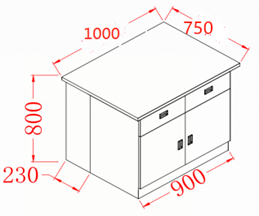
| YR06013-1 | Stainless steel - Side workbench | 1000*750*800 | Kalstein | 304 Stainless Steel Work Bench | 428.00 | 67.5 |
Troubleshooting by Symptoms
When operating the YR06013-1 work bench, users may encounter various symptoms indicating issues that need addressing. Below, we will review common symptoms, potential causes, and solutions.
1. Surface Damage
Surface damage can manifest as scratches or dents on the workbench. This can affect both aesthetics and functionality.
Possible Causes
- Improper handling during installation.
- Use of heavy, sharp objects on the surface.
- Exposure to harsh chemicals without proper cleaning.
Solutions
- Apply protective coverings when moving heavy items.
- Regularly inspect and clean surfaces to prevent chemical damage.
- Consider using cutting boards for sharp instruments.
2. Rust Formation
Stainless steel is resistant to rust but may develop spots under certain conditions.
Possible Causes
- Prolonged exposure to moisture.
- Inadequate cleaning after exposure to corrosive substances.
- Scratches in the protective surface.
Solutions
- Wipe down the bench after use and ensure it is dry.
- Use mild detergents and avoid abrasive cleaning materials.
- Regularly inspect for scratches and treat them promptly.
3. Stability Issues
If the work bench is wobbling or unstable, it may lead to inaccurate measurements in laboratory experiments.
Possible Causes
- Uneven flooring.
- Improper installation of adjustable feet.
- Load distribution that exceeds the bench's capacity.
Solutions
- Check the level of the floor and adjust the feet accordingly.
- Redistribute weights on the bench to ensure even distribution.
- Ensure that the installation instructions were followed during setup.
4. Noisy Operation
Noise can be indicative of loose components or improper assembly.
Possible Causes
- Loose hinges or fittings.
- Movement due to uneven ground.
Solutions
- Inspect and tighten all screws and hinges.
- Ensure the bench is levelled correctly.
5. Inconsistent Performance in Laboratory Use
When using the bench for various laboratory tasks, inconsistency in performance can signal underlying issues.
Possible Causes
- Poor working conditions, such as excessive humidity or heat.
- Incorrect setup or calibration for specific tasks.
Solutions
- Maintain optimal environmental conditions in the lab.
- Review calibration settings and ensure they meet the specific requirements.
Symptom → Cause → Solution Table
| Symptom | Possible Cause | Solution |
|---|---|---|
| Surface Damage | Improper handling | Use protective coverings |
| Rust Formation | Prolonged moisture exposure | Wipe down after use |
| Stability Issues | Uneven flooring | Adjust feet for leveling |
| Noisy Operation | Loose fittings | Tighten screws and hinges |
| Inconsistent Performance | Poor working conditions | Maintain optimal lab conditions |
Frequently Asked Questions
What maintenance is required for the YR06013-1 work bench?
Regular maintenance includes cleaning the surface after use, checking for rust spots, tightening any loose parts, and ensuring it is level on the floor.
How can I prevent surface damage on the YR06013-1?
Using protective coverings and avoiding the use of sharp objects directly on the surface can significantly reduce the risk of surface damage.
Is the YR06013-1 resistant to chemicals?
Yes, the stainless steel surface is resistant to strong acids and alkalis, making it suitable for various laboratory applications.
What should I do if I notice rust on my YR06013-1?
If rust is observed, clean the affected area with a mild detergent, dry it thoroughly, and inspect for scratches that may need treatment.
Can the YR06013-1 be used in different laboratory sectors?
Absolutely, the YR06013-1 is versatile and can be effectively used in clinical, industrial, and educational environments.
What are the weight limits for the YR06013-1 work bench?
The YR06013-1 is designed to handle laboratory equipment and materials within standard weight limits; however, avoid exceeding highly concentrated loads on one side.
If you are interested in acquiring the YR06013-1 work bench or need a quote, please reach out to Kalstein Plus.
If you are looking for a fusion of innovation and quality, you have come to the right place. At Kalstein, we offer you the luxury of exploring our exclusive catalog of laboratory equipment. We manufacture every device to the highest standards of excellence. Our intuitive and seamless online purchasing channels are designed for your convenience, securing the most competitive prices. Hesitate no longer — we bring science to life, it is time to become part of our community.